
Il Cinema Ritrovato 2026 Roundup
“More pudding and less vegetables” is how a friend at this year’s edition of Il Cinema Ritrovato described his selection of films when we were discussing and comparing what we watched, i.e. prioritising more light/fun films over serious ones.
Pudding (dessert according to Brits) is exactly what I needed after experiencing a few tense months in Dubai since the war on Iran and the Strait of Hormuz crisis that started on February 28. During the first two months, Dubai and other parts of the UAE (and across the Gulf) were targeted by drone and missile attacks from Iran almost daily, and it was the first time in months that my body felt relaxed. I found myself quickly settling in, dedicating 10 days to cinema history and sheltering myself from world news.
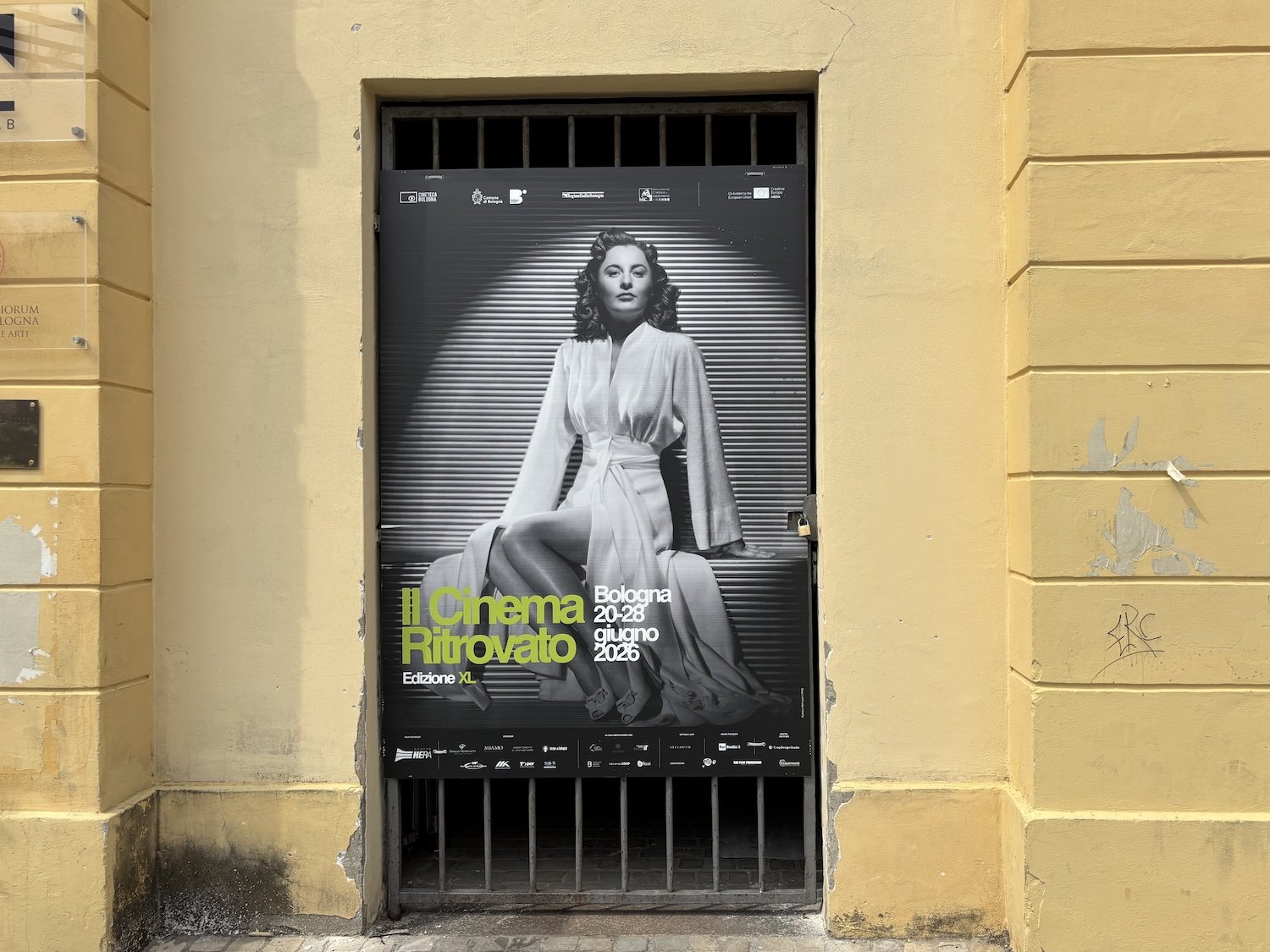
It was a milestone year for the festival, numbered as an XL edition, where XL stands for 40 in Roman numerals, and an XL sized edition with 540 films in the lineup to celebrate its 40th anniversary, with Barbara Stanwyck on this year’s poster. The festival website was revamped with an elegant looking design, even if some of the practical information was hard to find at first. The online booking system worked well too. As always RepCinema’s Spreadsheet Scheduler was a helpful guide. Their layout of the entire schedule made it much easier to decide on what to book per day.
The temperatures reached near 40C, part of the heat wave that hit many parts of Europe. Arriving from Dubai which was already having its own heat wave, also known as our typical weather in June, I tried to cope by wrapping a small cold wet towel around my neck and drinking lots of cold water (in Dubai I don’t walk as much or spend time outdoors as I do in Bologna).
I’m not the only one wishing for festival organisers and the city of Bologna to invest in improving the air conditioning quality in cinemas which aren’t strong enough for the current June temperatures, and these heat waves aren’t going away. Would they reconsider the dates of the festival? The risk of festival attendees, especially the much older ones suffering from a heatstroke (or worse) can’t be ignored in these weather conditions, and I fear that’s what it will take to see some changes.
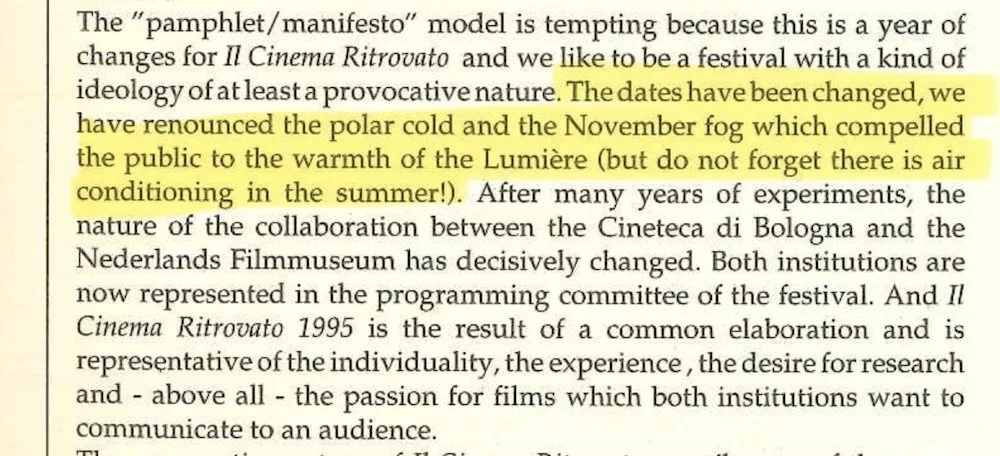
Between 1986-1993, the festival took place during November/December. In 1994 it was held between April-May. Since 1995 the festival moved to June-July. I found this text from the 1995 catalogue which amused me. The maximum temperature in June 1995 was 33C.
“The dates have been changed, we have renounced the polar cold and the November fog which compelled the public to the warmth of the Lumiere (but do not forget there is air conditioning in the summer!).”
According to the press release published after the festival ended - the attendance figures were 75,000 in the cinemas (5000 more than last year) + 70,000 at the evening screenings in Piazza Maggiore.
Two days before the festival and due to increased demand, Cinema Odeon was added as an additional venue with a few films repeated over three days, and two daily repeat screenings were added in one of the regular venues - Cinema Lumiere-Sala Mastroianni. I hope additional cinemas for the entirety of the festival will be considered for next year, and more repeat screenings. Cinemas like Odeon and Medici would certainly help sustain the increased capacity and help reduce the pressure when it comes to number of attendees per screening.
I heard from several people this year the schedule needed longer gaps between some screenings, and/or film introductions need to be short. Prolonged introductions (some lasting 20 minutes as reported by Krystel Brown for Jigsaw Lounge) forces some to skip their next scheduled screening in another venue because there isn’t enough time to reach it. I know I had to avoid booking some films because I expected this.
Krystel Brown also mentions issues with presentation quality and screen masking inconsistencies in some cinemas which I agree with - “If festivals can continue projecting analogue film with such care, surely proper masking remains achievable. It is a seemingly minor detail that fundamentally shapes how audiences perceive an image.”
The festival remains unique and special in its offerings of films and cinema history, but its success and increased popularity means it’s bursting at the seams, and hope they can look into making it feel less strenuous for everyone.
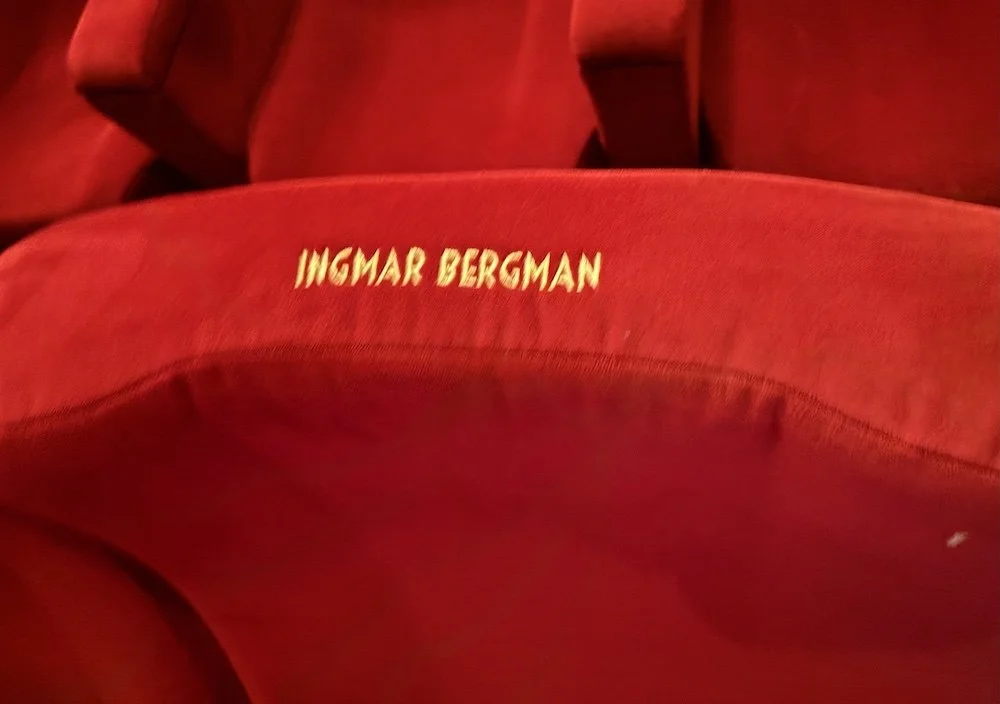
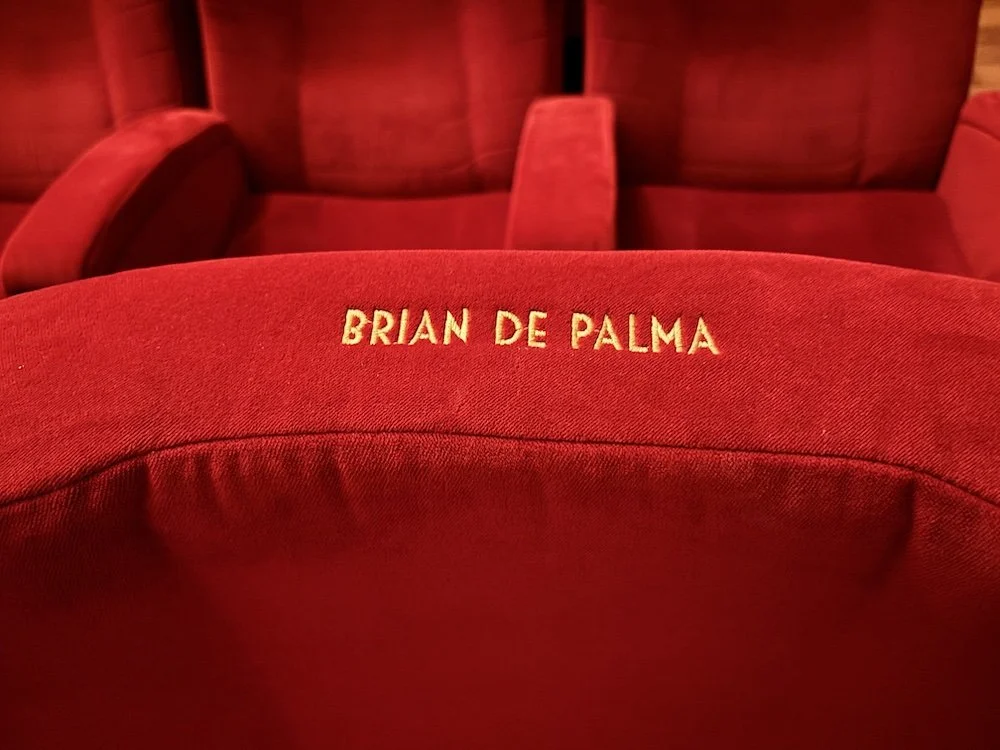
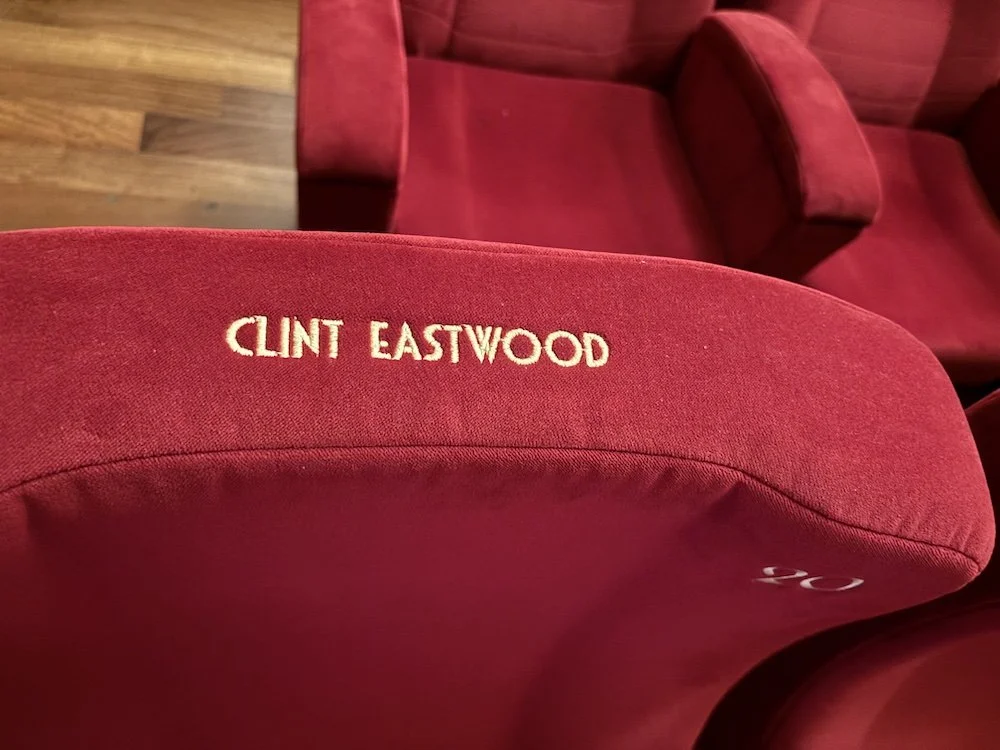
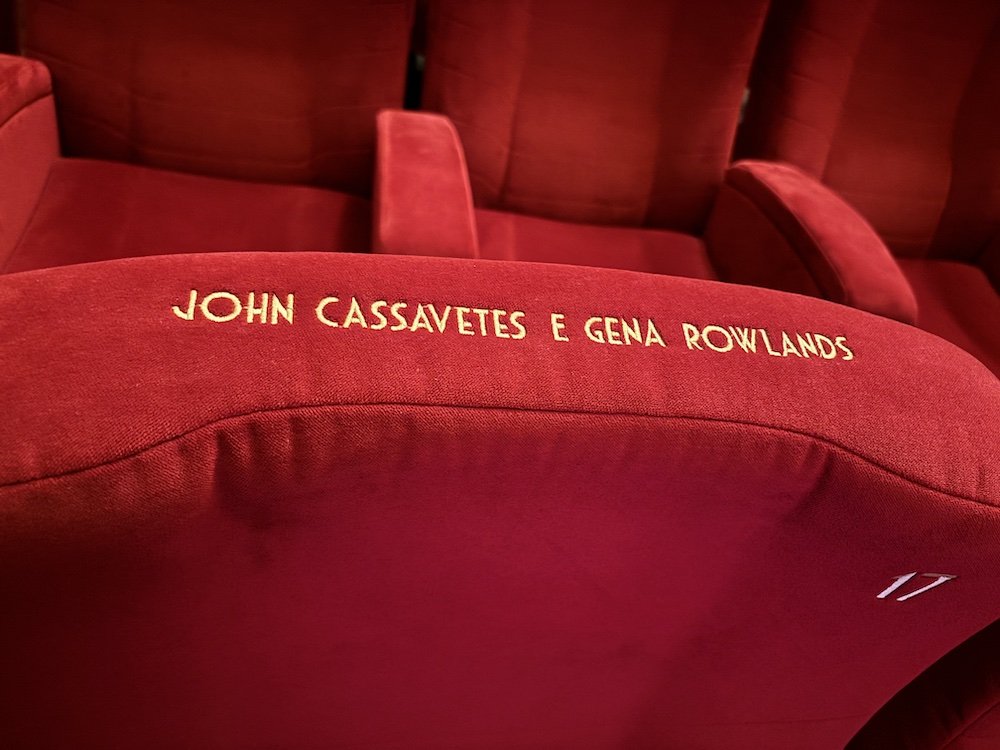
I spent most of my time in Cinema Arlecchino, Cinema Jolly, and Cinema Modernissimo. These photos are of the different seats from where I watched films in Modernissimo. The last one really should be expanded to a couple’s seat
Below are my film highlights, and I listed everything I watched at the end of this post. Of course I missed seeing even more because there’s not enough hours in the day. Festival roundups by Phil Concannon, Pamela Hutchinson, José Arroyo and Richard Layne made me enjoy learning about the different films they watched and liked, with a tinge of regret.
I think I managed to maintain a balance between vegetables and pudding with my selection of films.
But for every American melodrama, comedy or musical I saw at the festival, I longed for at least one equivalent from Arab cinema, especially Egyptian classics, and not just films about the marginalised and the oppressed (as is usually the case when Arab films are selected and added in the Cinemalibero section).
There were only 2 Arab films this year, both were shorts and yes, part of Cinemalibero:
The Sad Song of Touha (Atteyat Al Abnoudy, Egypt, 1972, 12 min)
The Dislocation of Amber (Hussein Shariffe, Sudan, 1975, 32 min)
The essay in this year’s catalogue looks back at the festival’s history and how it has evolved. In its early years, films were selected based on the “cinephilic canon as defined by French film magazines”. Whilst the festival has long moved on from this and their lineup has expanded geographically, Arab film heritage and its own “cinephilic canon” remain underrepresented.
Regardless of this, and the heat wave, and the mid quality aircon, I had a very good time and look forward to going back. I might bring an ice box with me. For all the love many of us have for this festival, just hope it can love us back by listening to feedback and making the necessary improvements.
Happy 40th to Il Cinema Ritrovato. C(h)inema forever and ever and ever.
MY TOP FIVE:
Ken Russell’s The Devils (Director’s Cut) (1975, 35mm)
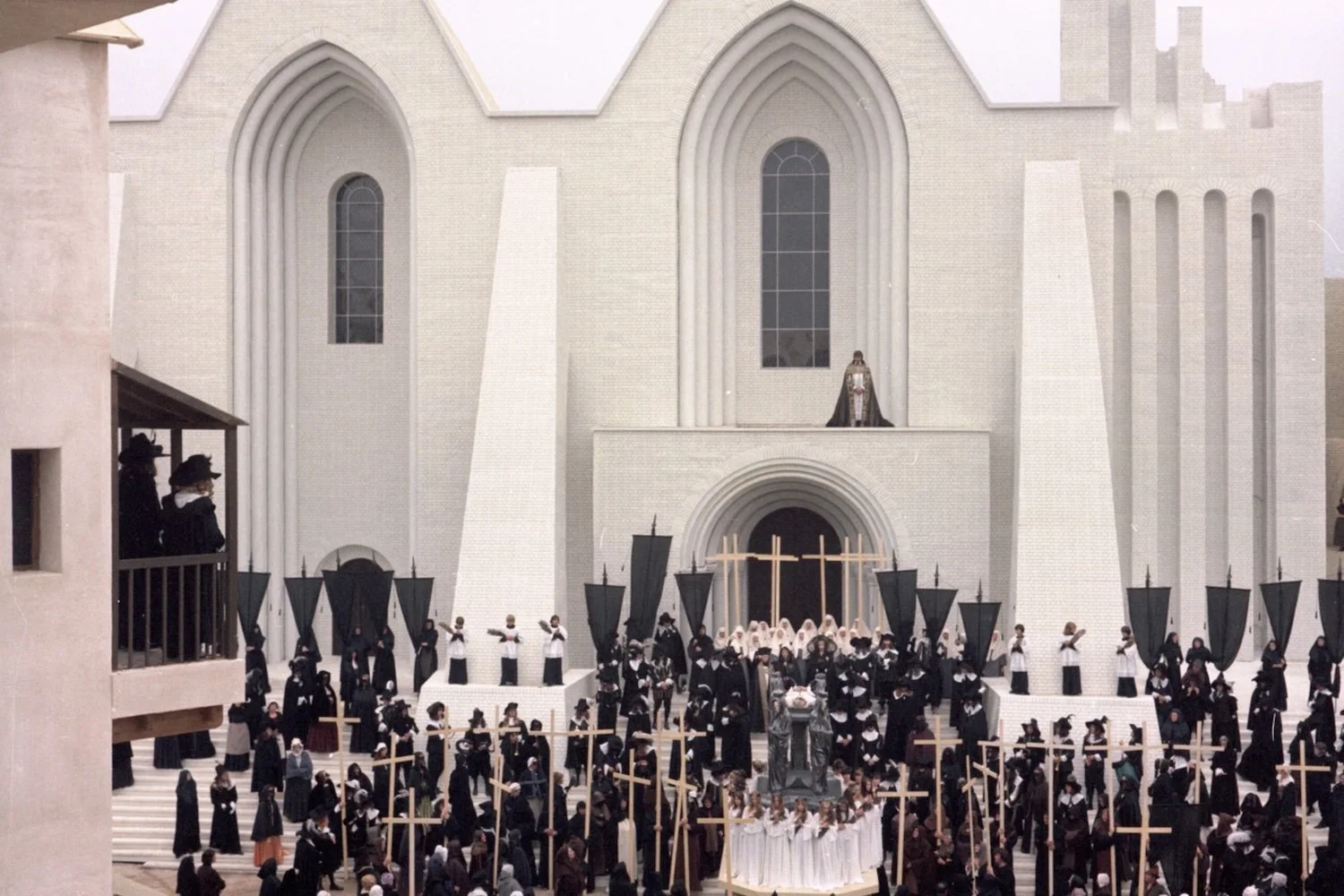
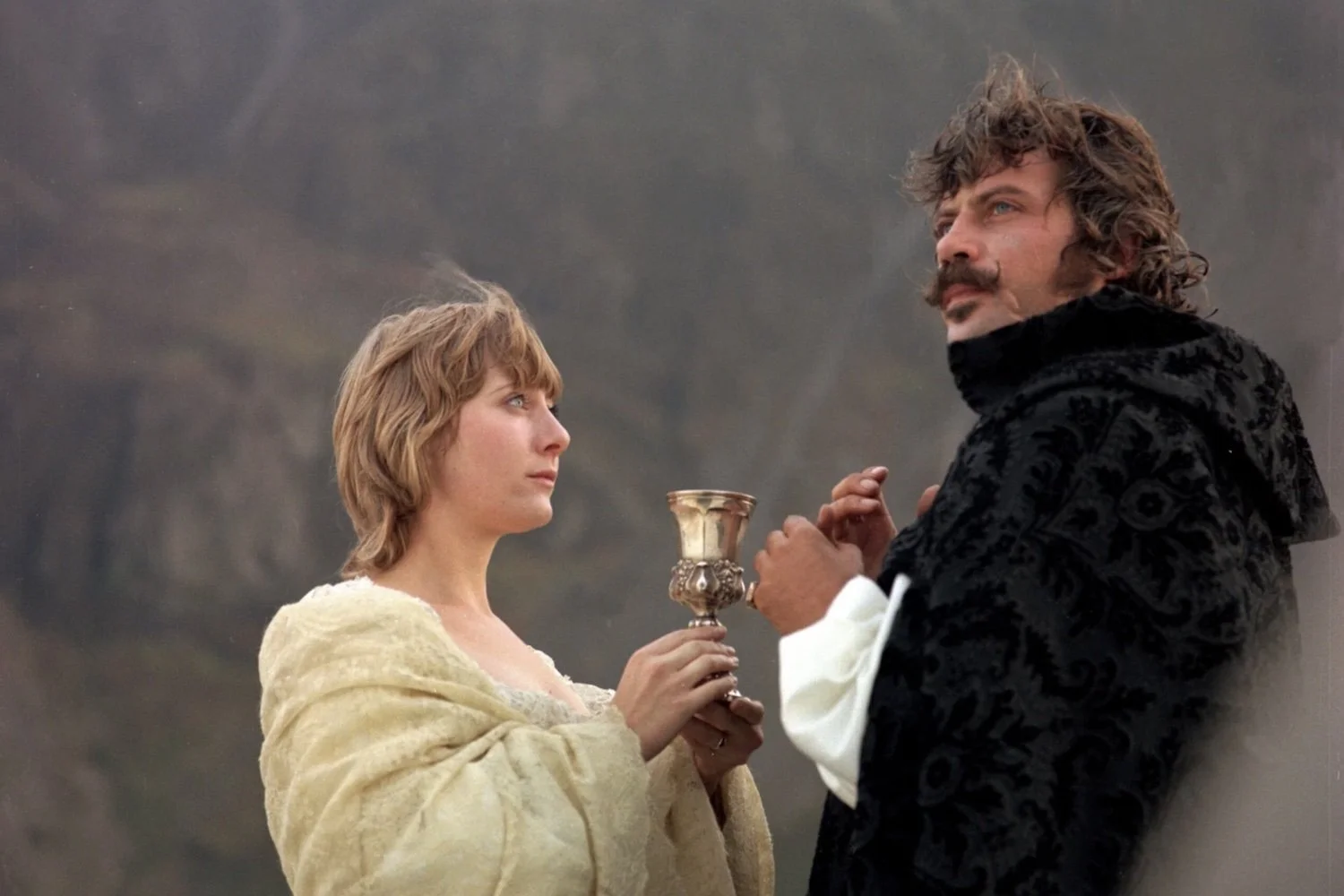
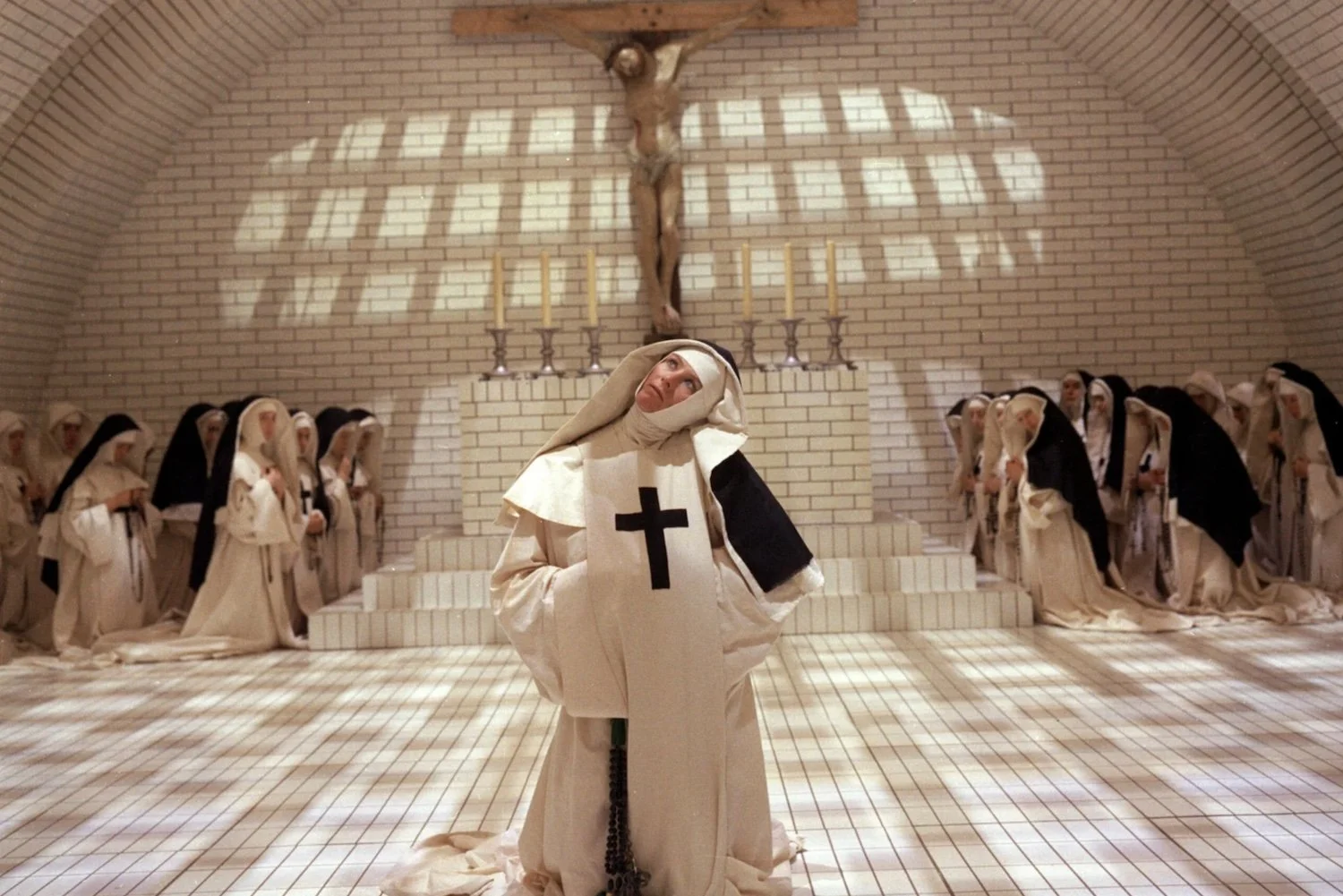
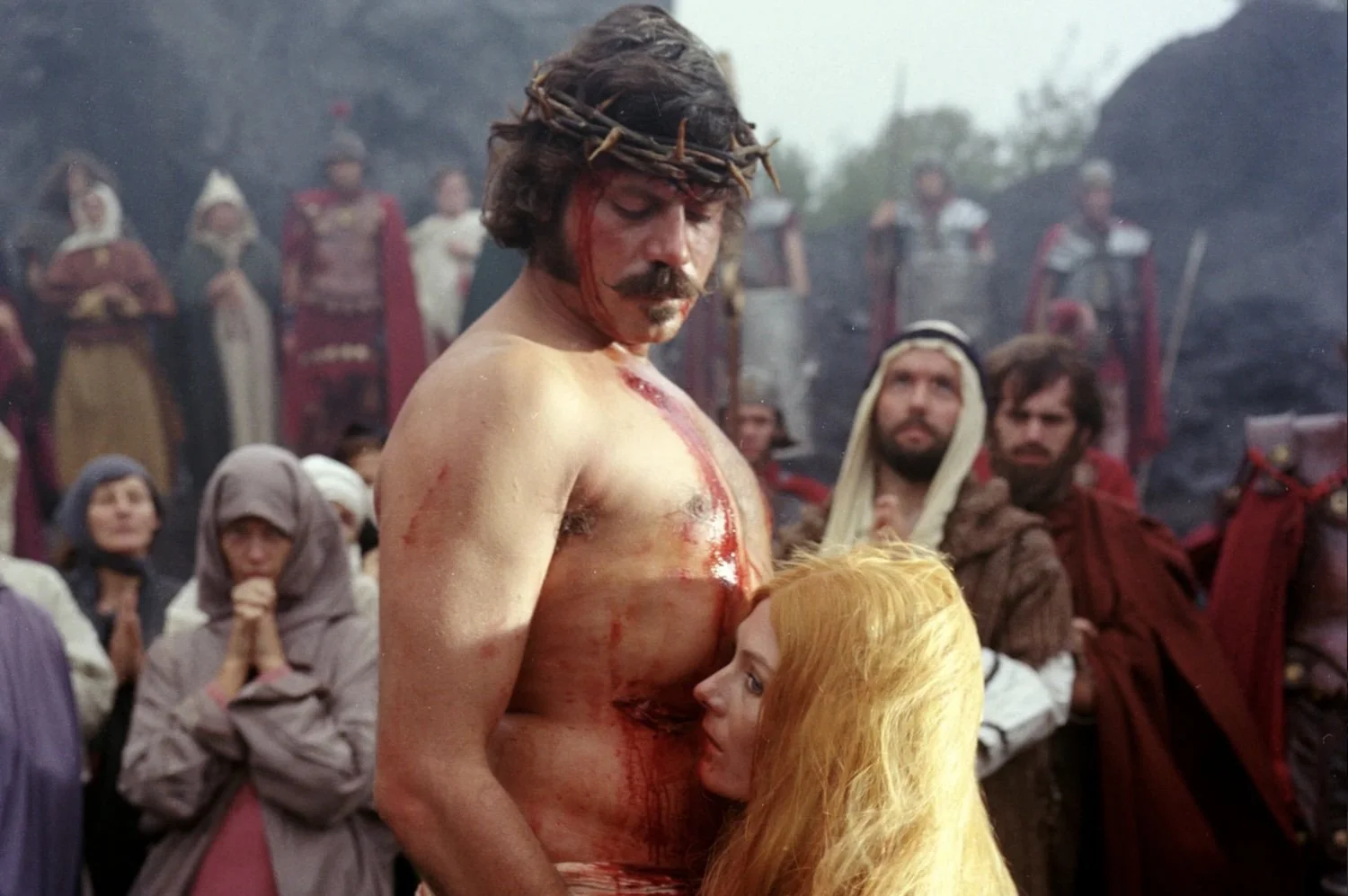
Ken Russell described The Devils as “My most – Indeed my only – political film.” When it was released in 1975, and despite its X rating, it was censored and wasn’t well received.
Based on The Devils of Loudun by Aldous Huxley (1952), and John Whiting’s stage-play The Devils (first performed by the Royal Shakespeare Company in 1961) about a documented case of demonic possession in Loudun, France in 1634, it’s a remarkable film about religion, hypocrisy, corruption, brainwashing, and sexual repression. The set design by Derek Jarman is another standout. Two quotes from the film have stayed with me:
“You have seduced the people in order to destroy them.”
“Don't look at me, look at your city. If your city is destroyed, your freedom is also destroyed.”
Restored by Warner Bros. Clockwork and introduced by Christian Parkes from WBC, we watched it on a new 35mm print. It includes the complete director’s cut which is 114 min long (when it was first released, the UK version was 111 min, and 108 min in the US). There was a lot of buzz when the restored version premiered in Cannes in May, which explains why the standby queue in Bologna was longer than the ticketed queue.
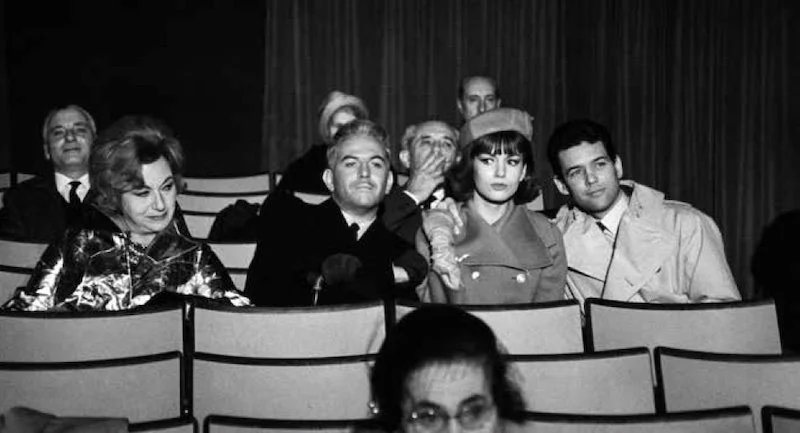
La Dérive / The Drift (Paula Delsol, 1964)
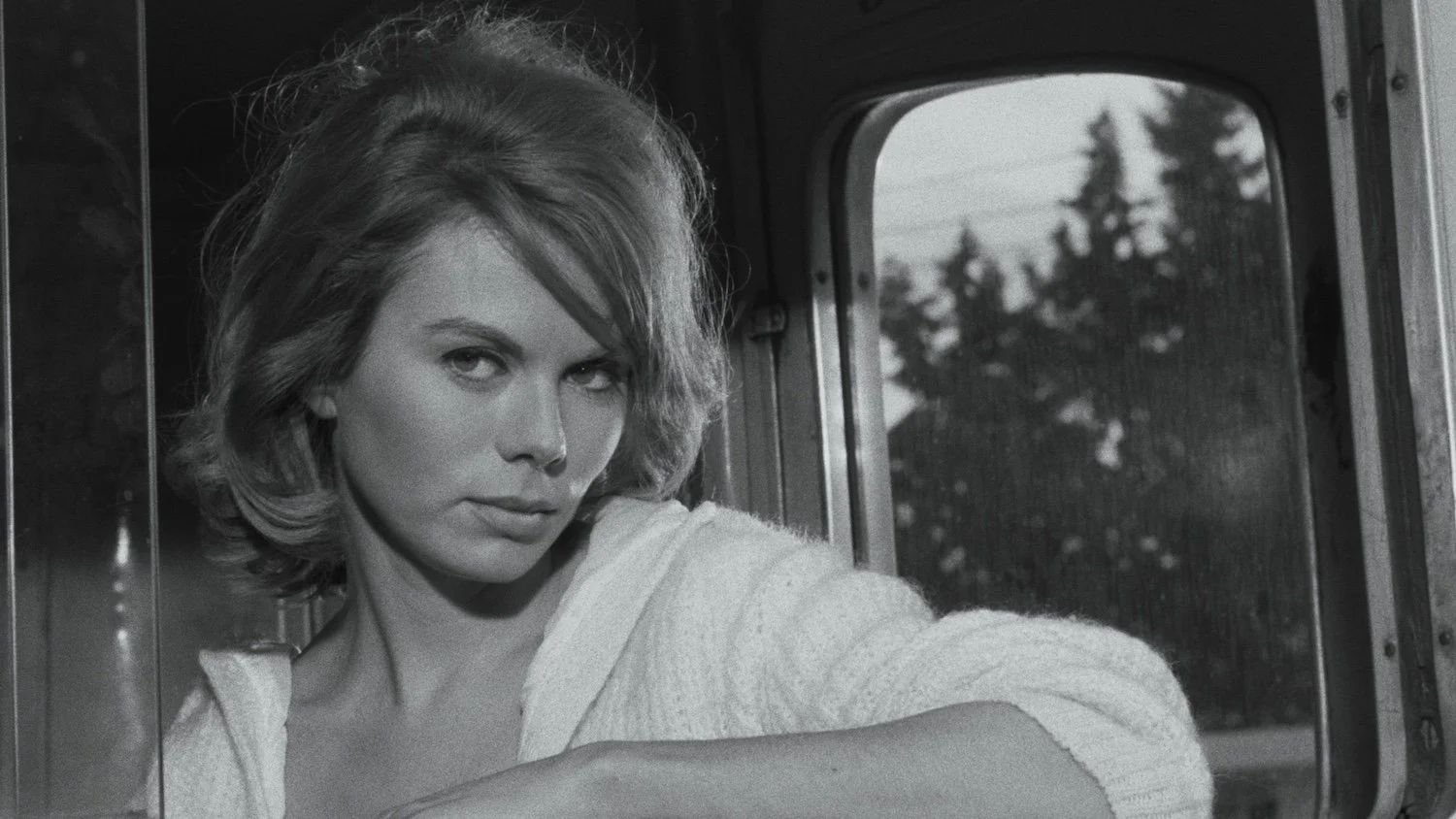
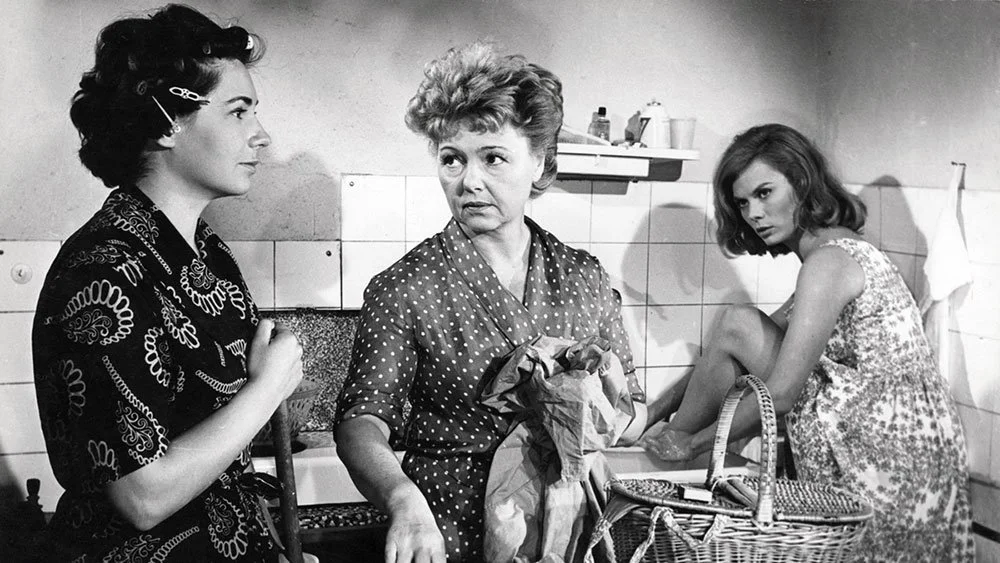
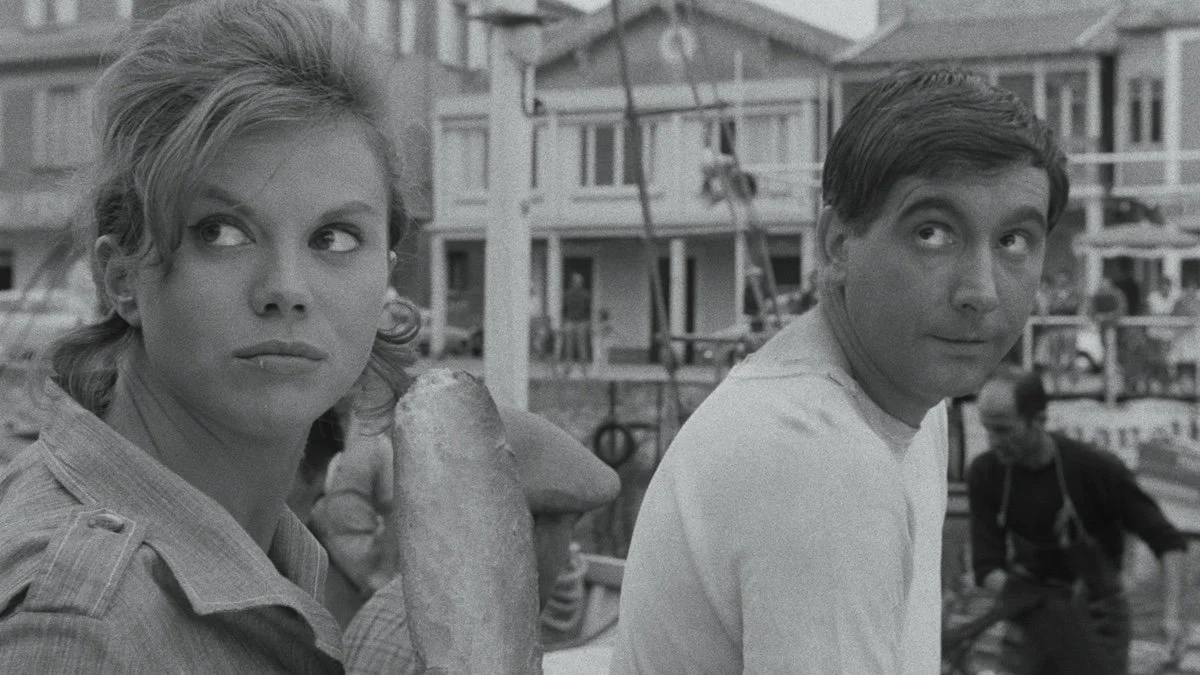
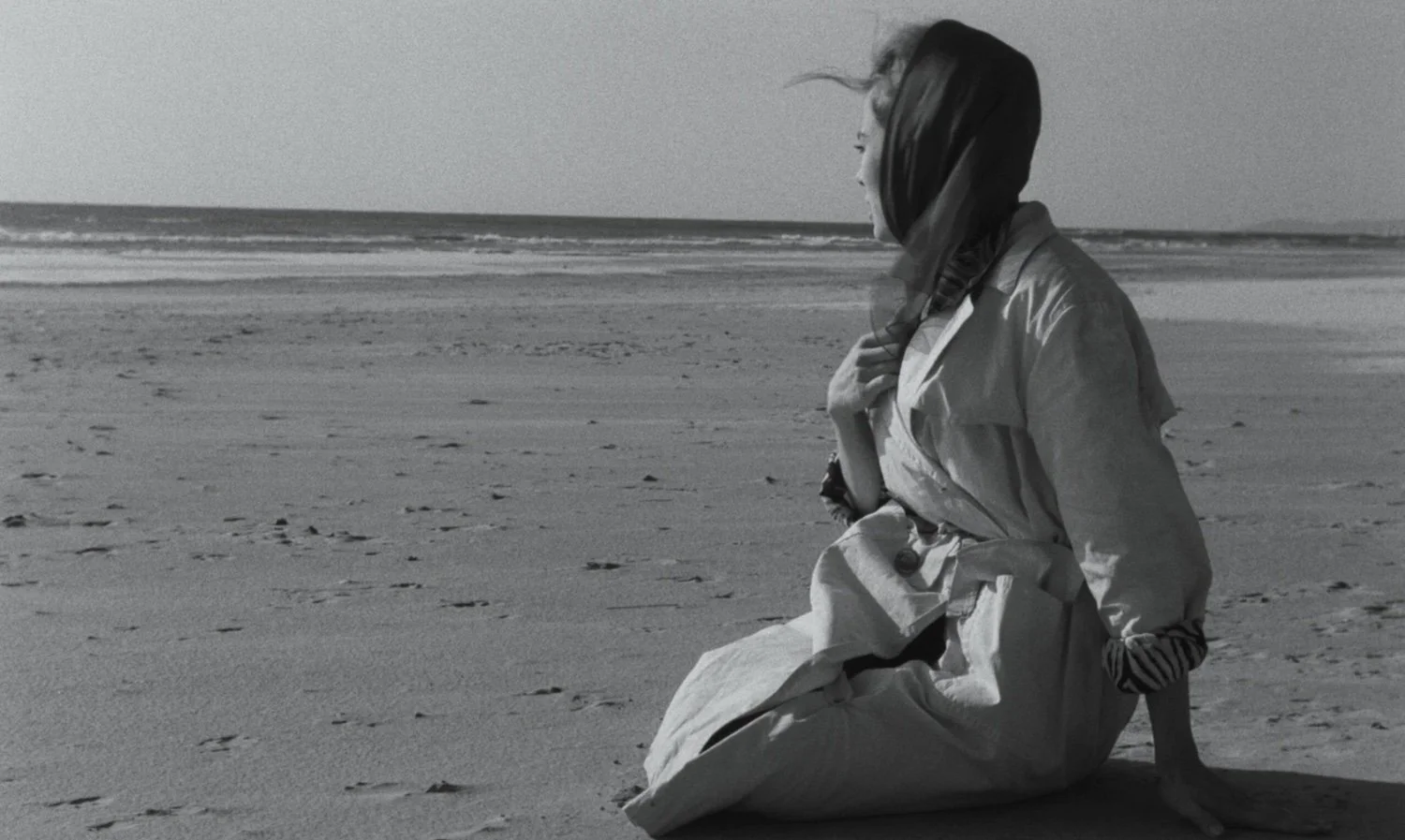
This film premiered at the Cannes Film Festival in 1964 but somehow got forgotten based on the program notes. Recently restored, it also screened at Cannes this May in the Classics section.
Jacquie (Jacqueline Vandal) is a young woman in pursuit of life and romance not tied to domesticity. When she’s told “You’re the type of girl who always ends up in trouble”, she replies, “I’d rather be that than bored.”
Whilst Jacquie may not be a role model for a strong independent woman, she always seems to rely on men to get by and refuses to get a job - insisting she’s not good at anything, but she is independent enough not to care about what her mother, sister and other people think. It is mostly set in Camargue, a coastal region in southern France, with beautiful cinematography, especially scenes by the beach. Despite all the disappointments Jacquie experiences, I found the ending hopeful.
It’s a shame Paula Delsol (1923-2015) didn’t get recognised or appreciated as her French New Wave contemporaries. Her filmography includes a couple of short films and two other feature films, and she also had a career in writing.
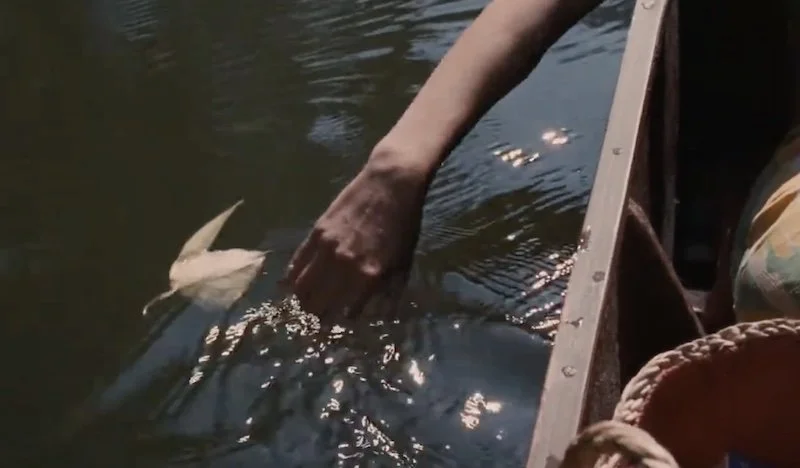
Eight Girls in a Boat (Richard Wallace, 1934, 35mm)


This is a remake of a German film from 1932, Acht Mädels im Boot by Erich Waschneck). Set in an all-girls school in Switzerland (but filmed on location at Lake Arrowhead in the San Bernardino Mountains), it was controversial for its time because of the teen pregnancy story line. It also addresses class, enforced discipline, athletic young women and the camaraderie between them. The men are secondary.
The film looks so modern and gorgeous, especially the rowing and swimming scenes - the sunlight water looked dazzling on the screen, and I’m a sucker for 1930s swimwear.
Film historian David Stenn introduced the film and explained due to rights issues, Paramount shelved it for 90 years. When UCLA was working on restoring it, he managed to track down the family of Helmut Brandis, the screenwriter of the original German film and got their permission. He also learned that Brandis became an informer for the Stasi during the Cold War period.
Film stills via UCLA.
The Organist at St. Vitus’ Cathedral (Martin Frič, 1929, 35mm)
With a piano accompaniment by Maud Nelissen

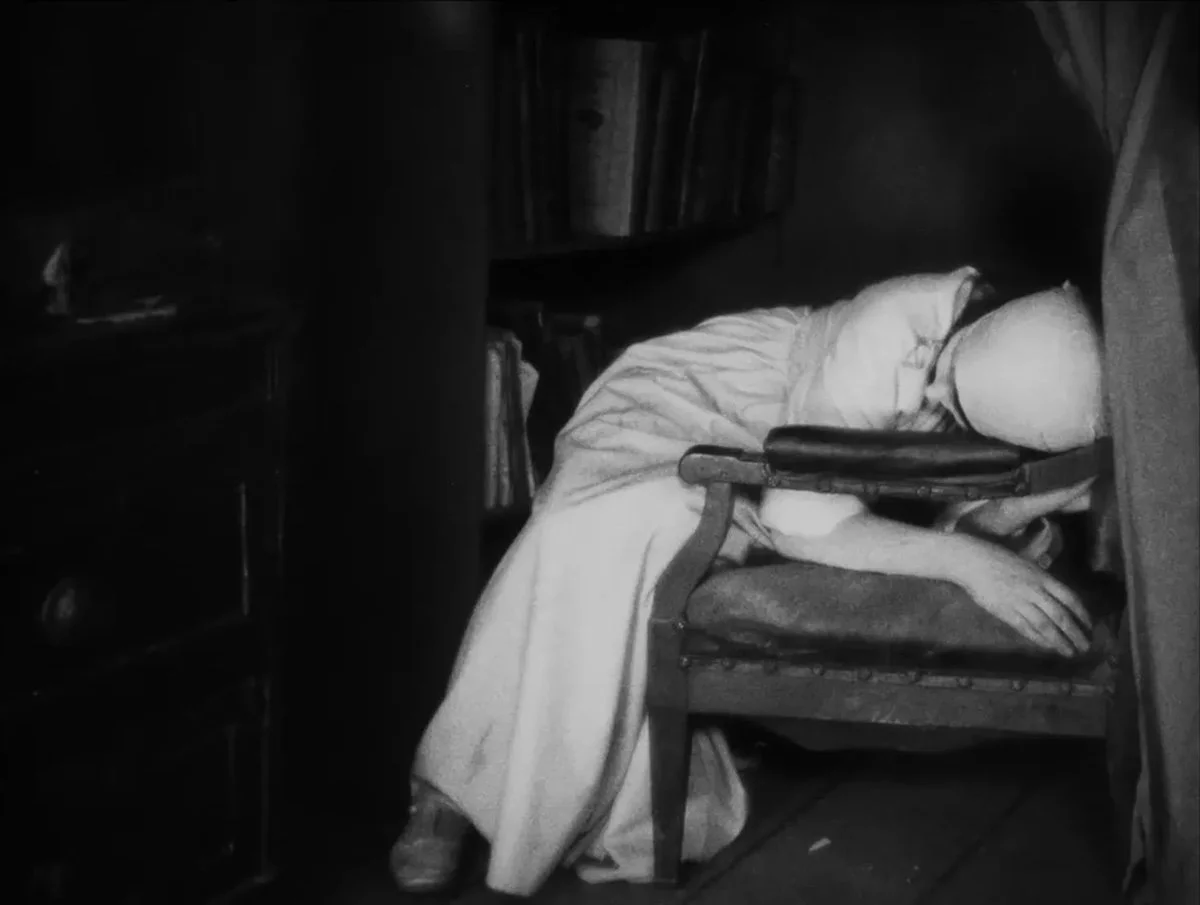
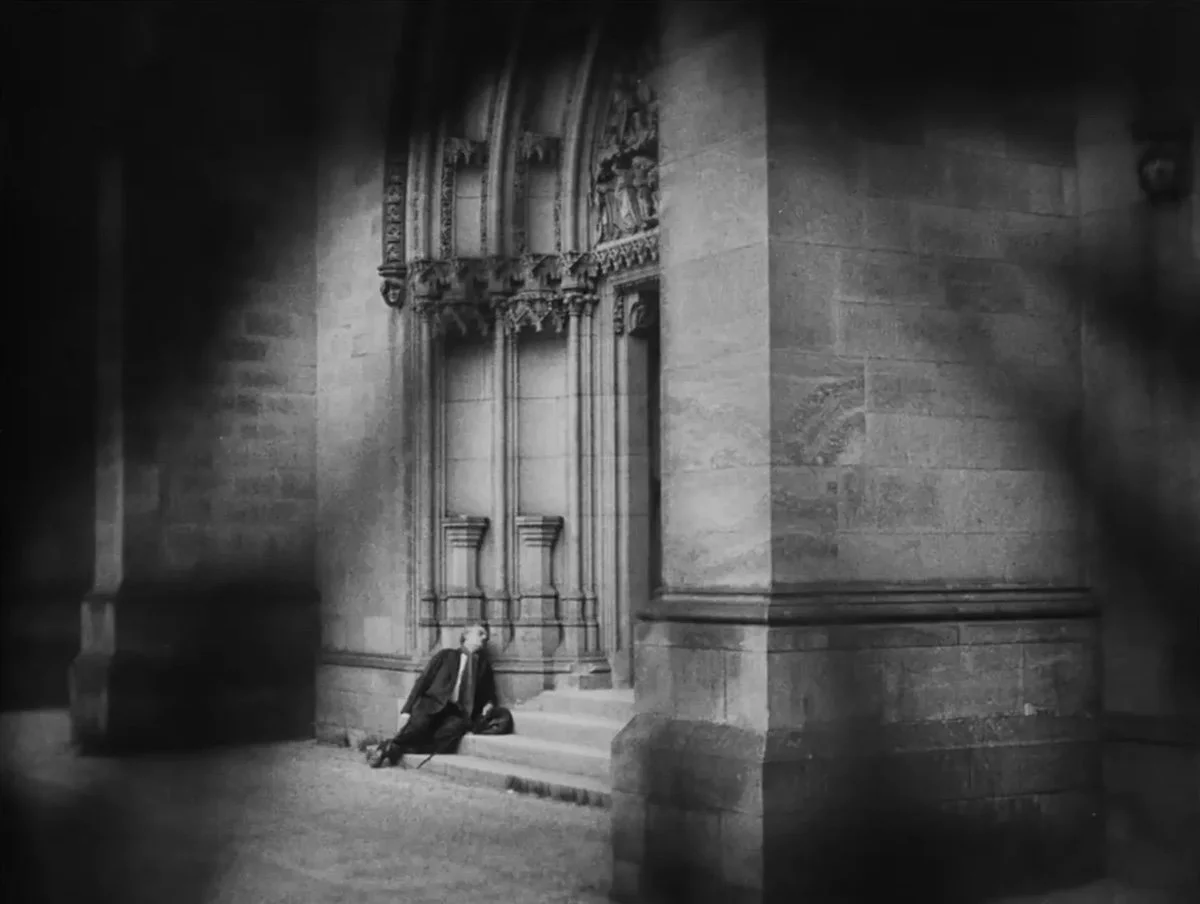

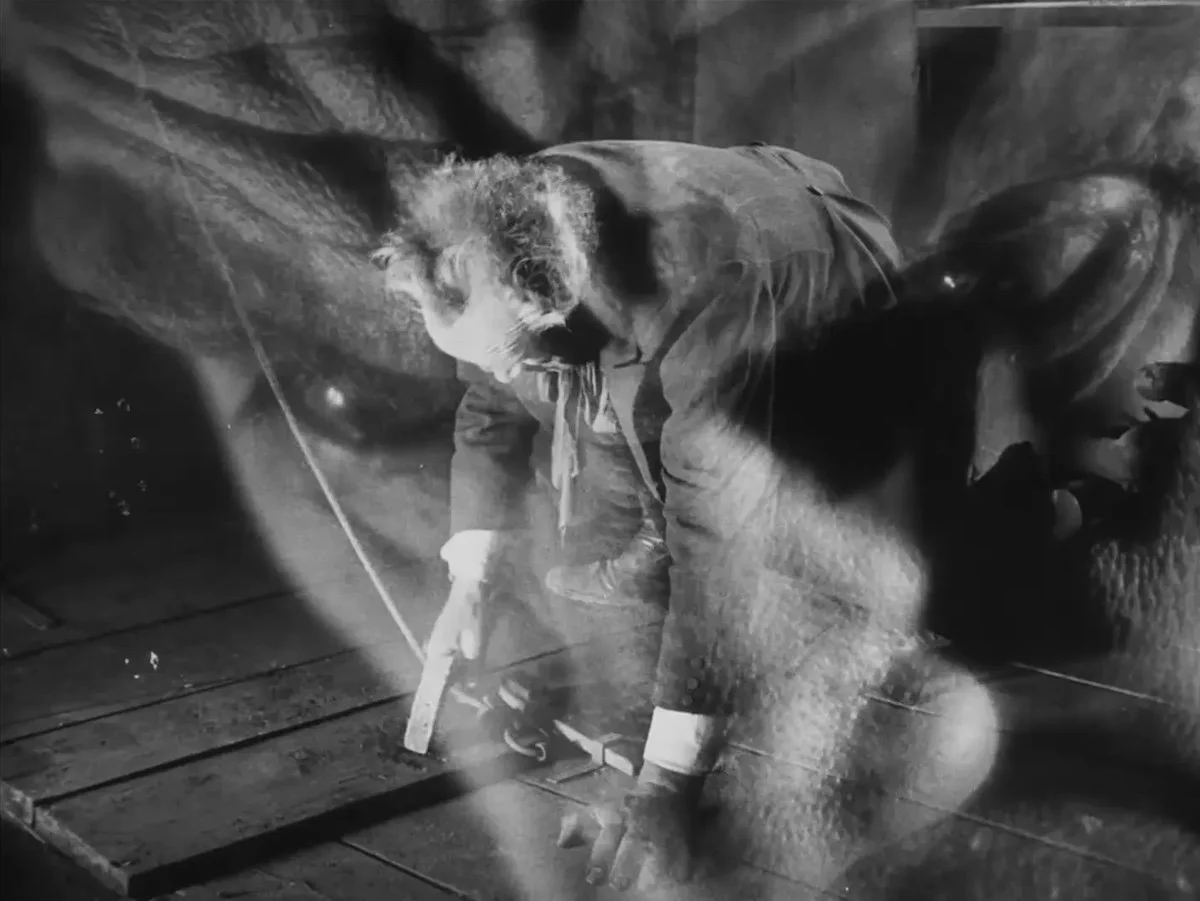

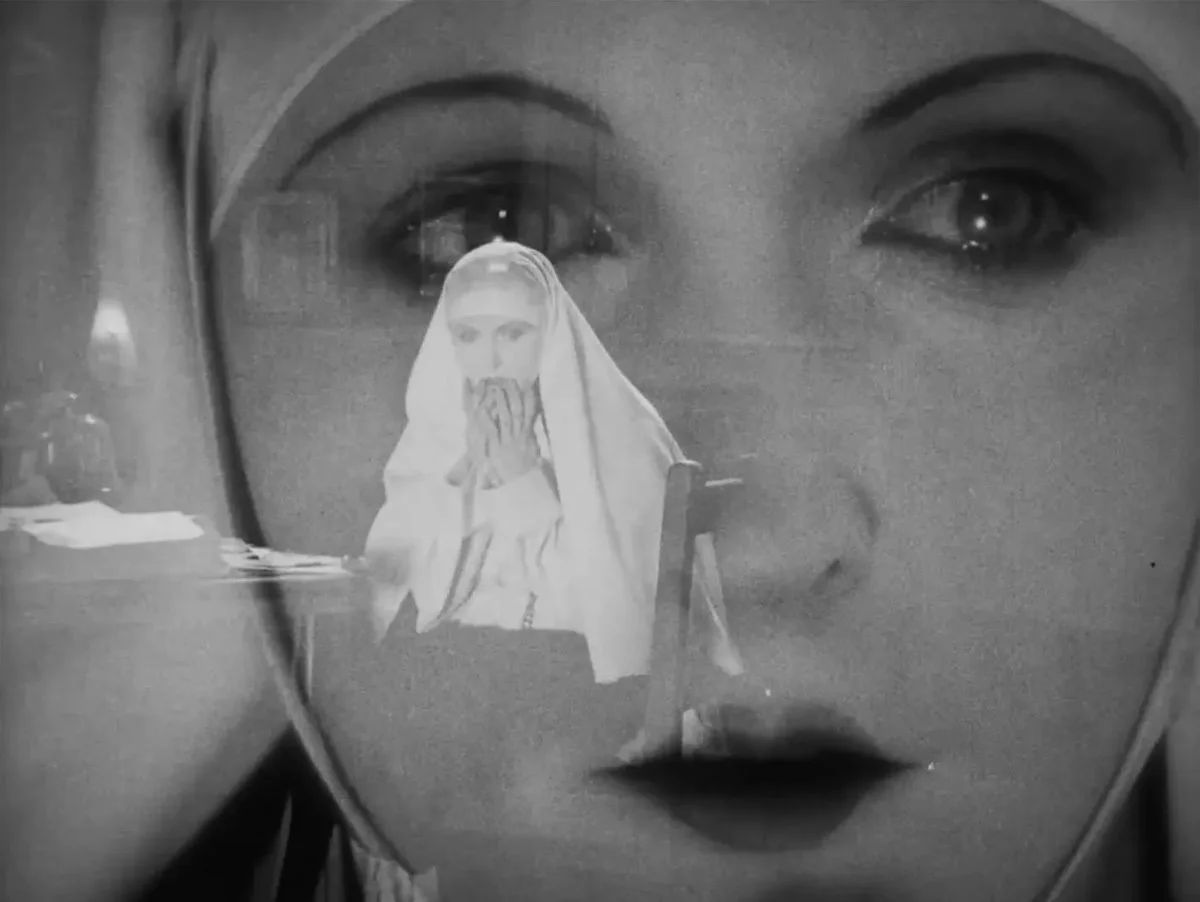
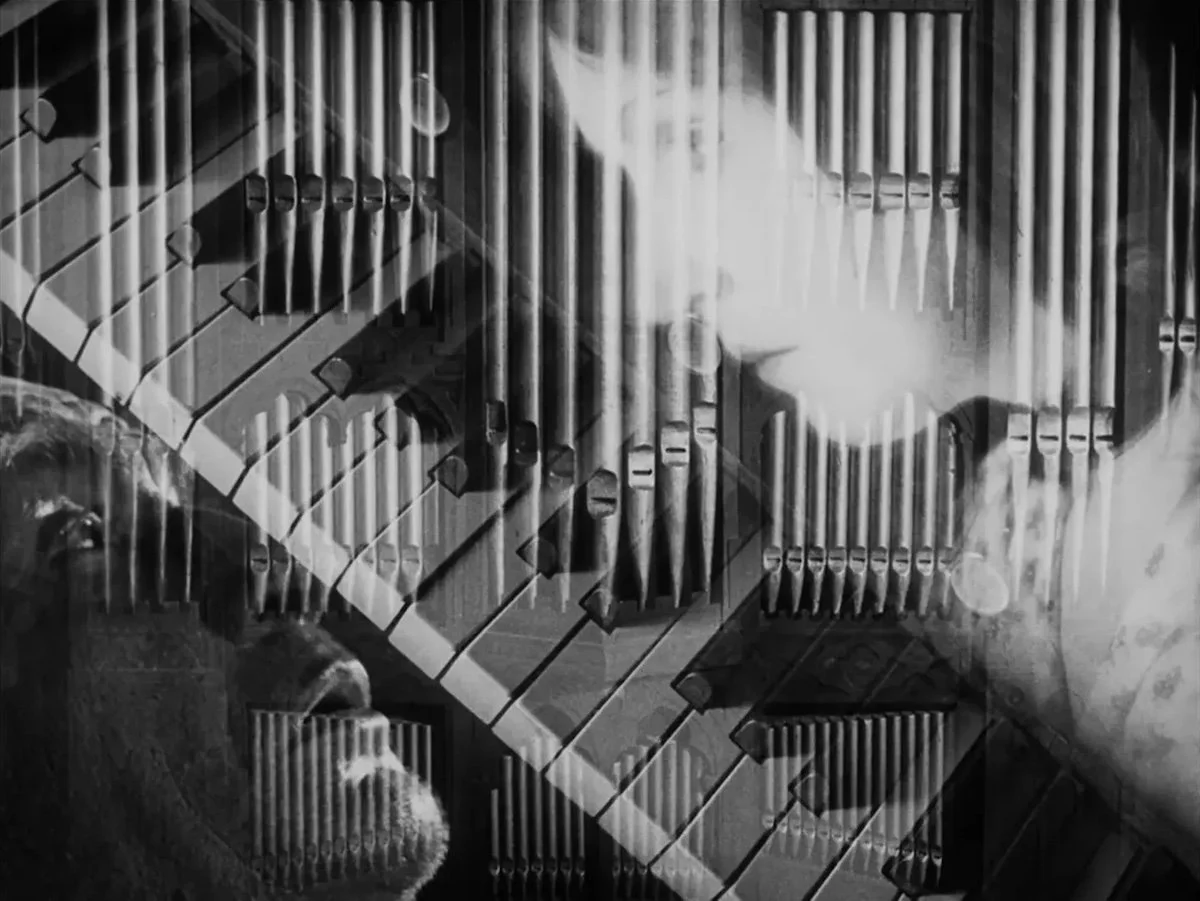
A screening I will never forget because of Maud Nelissen’s music which really elevated the experience. I was in an aisle seat two rows behind her and it was impressive to see her shifting from the piano to the organ keyboard. The film begins with beautiful scenes of Prague, and use of light, shadows and cross fades throughout is stunning. “Written by the avant-garde poet Vítězslav Nezval”, its about loneliness, grief and love, all on a crisp 35mm print.
Stills via The Realm of Silence.
What Price Glory (Raoul Walsh, 1926)
With piano accompaniment by Gabriel Thibaudeau
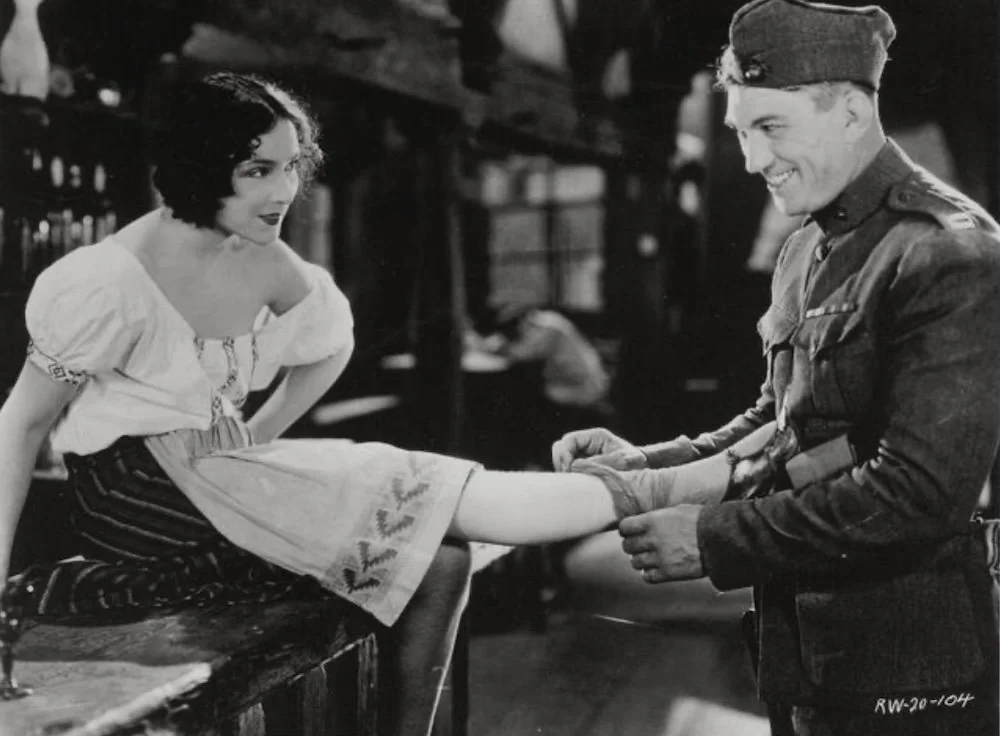
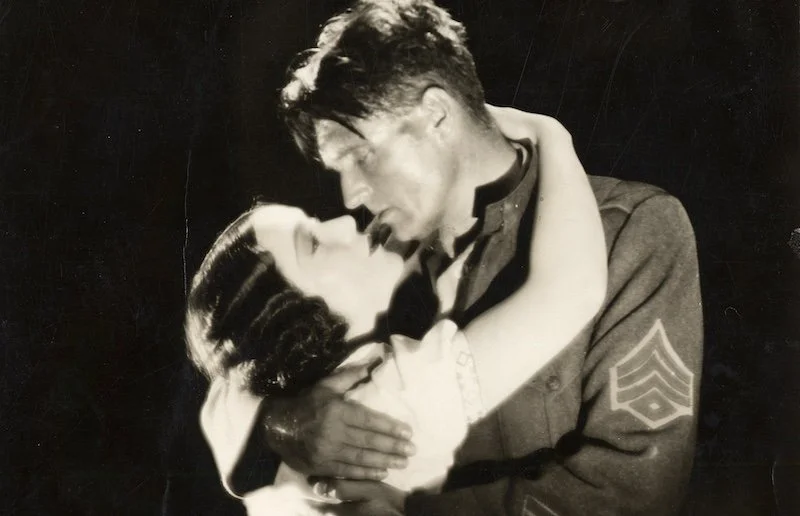
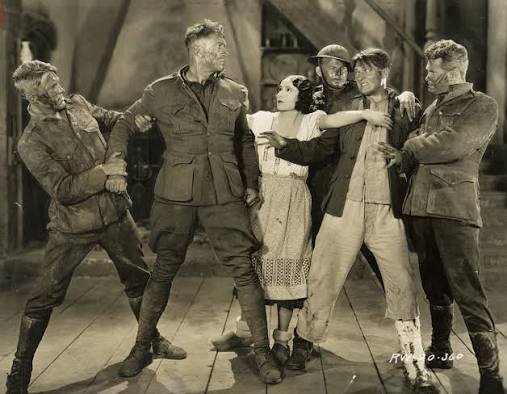
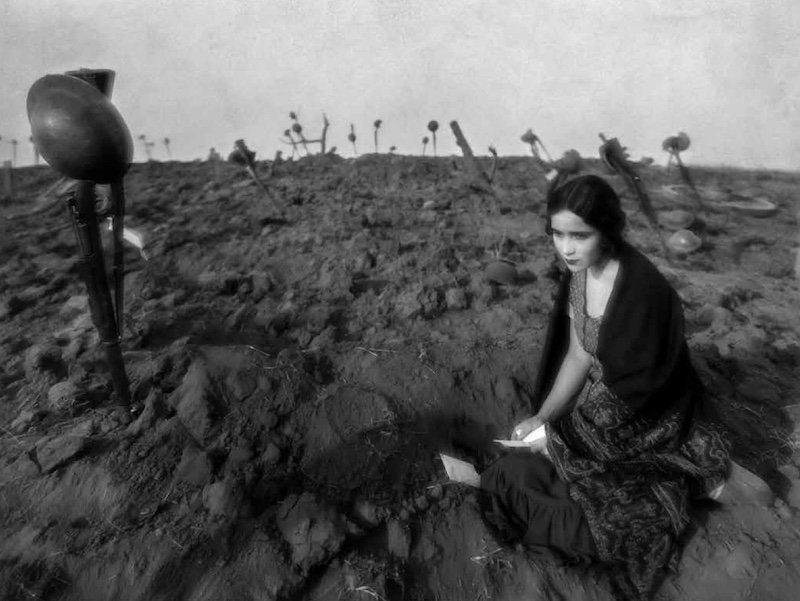
Restored from a tinted and hand-coloured nitrate print, I liked this more than I anticipated. An anti-war film that’s also about male rivalry, a love triangle, and parts of it are quite funny and sexy.
The oranges and reds in the explosion scenes still look so inventive and effective even by today’s standards. I can’t find any of the hand-coloured stills, but trust me on this.
“There’s something rotten about the world thats got to be wet down every thirty years with the blood of boys like those.”
“I wonder if this baptism of blood will change the world.”
OTHER HIGHLIGHTS:
Favourites from Easy Living with Mitchell Leisen section:
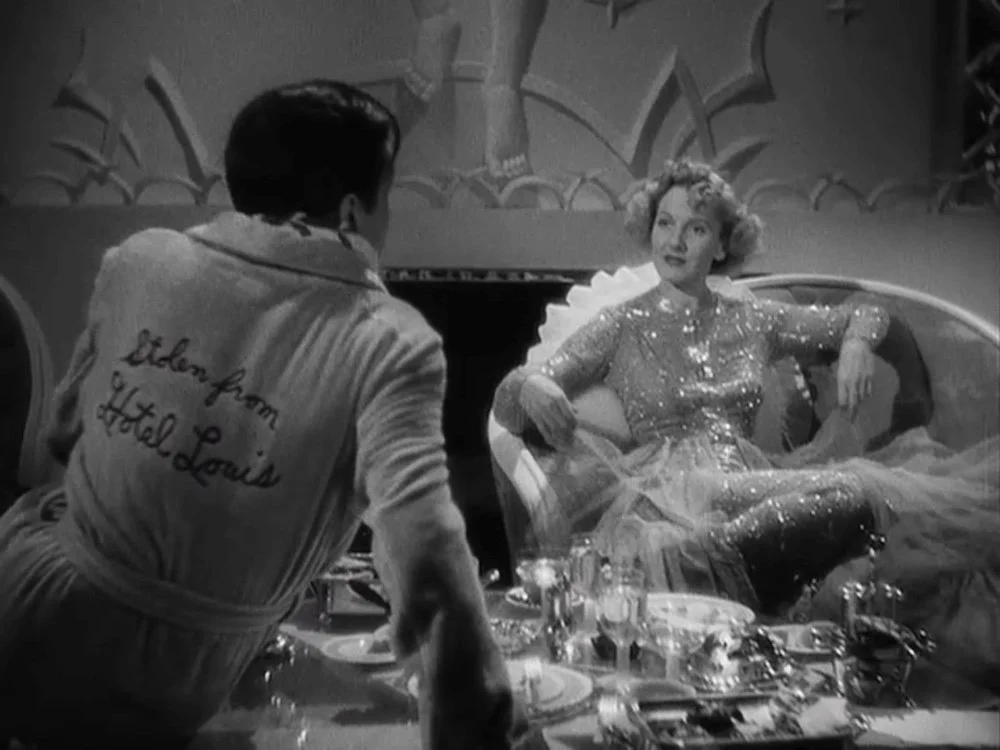
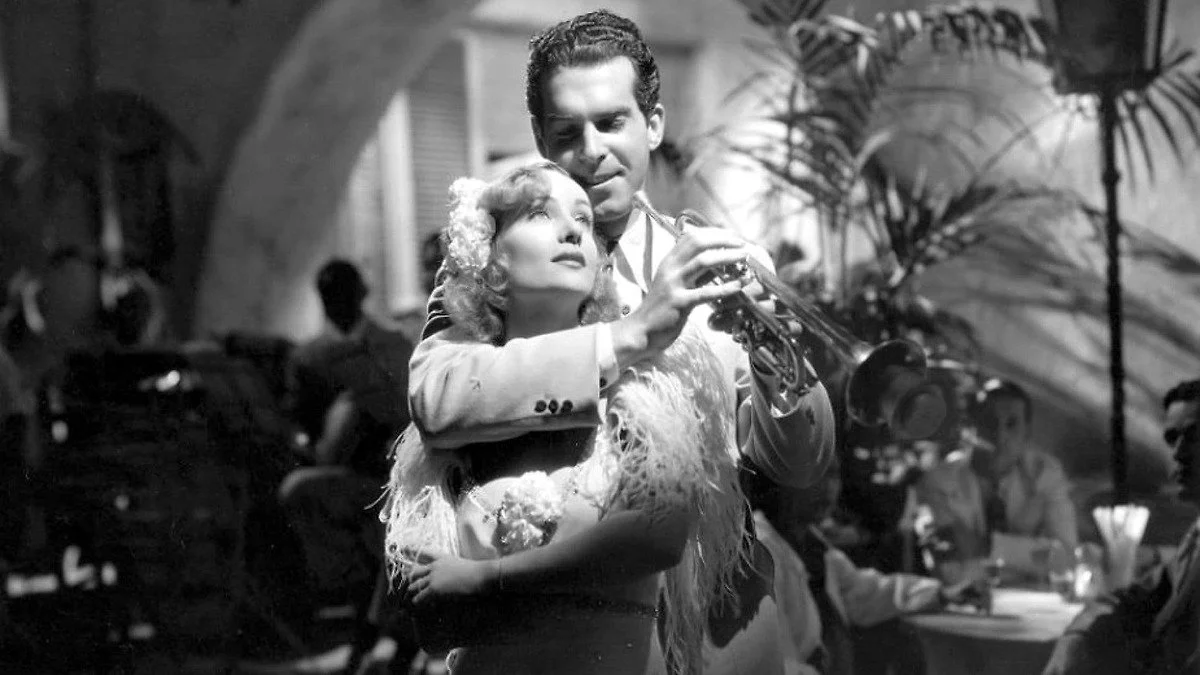

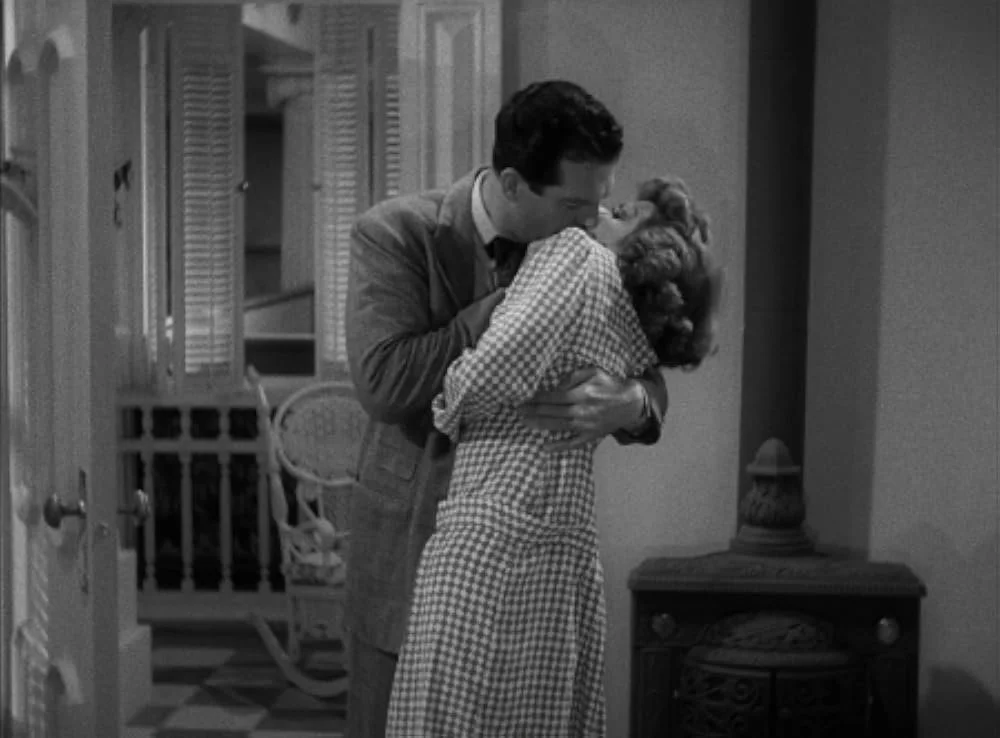
I watched 9 of the 15 films and these were the only four that I really liked.
Easy Living (1937, 35mm)
Swing High Swing Low (1937, 35mm)
Murder At The Vanities (1934, 35mm)
No Time For Love (1943, 35mm)
Favourites from other sections:
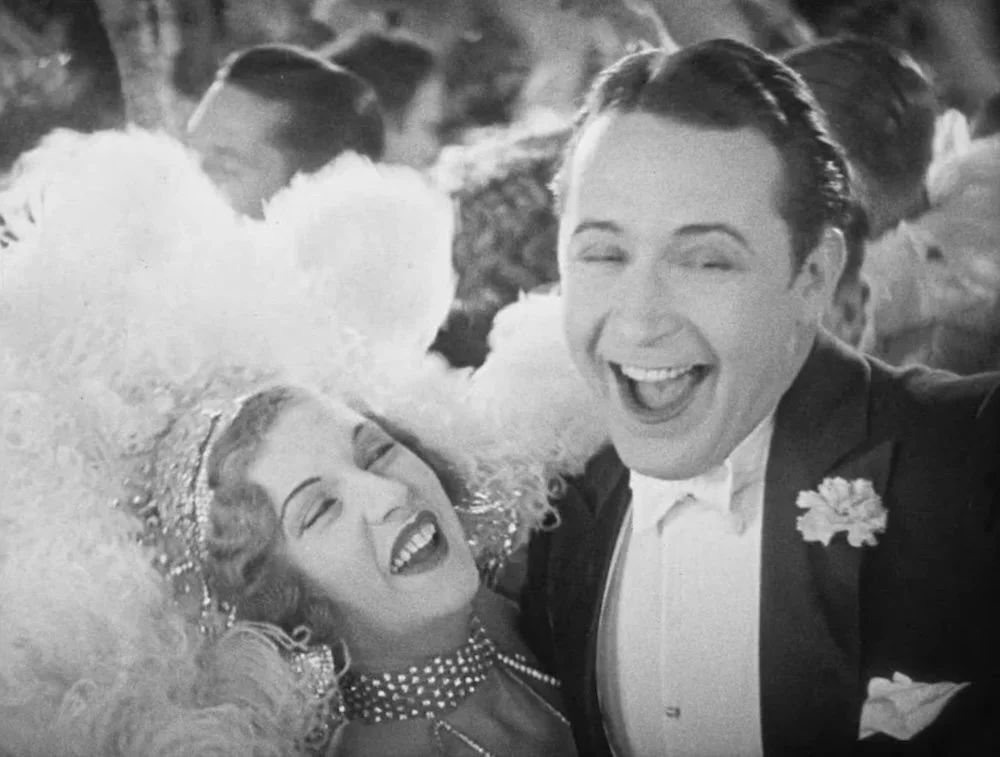
So This Is Paris (Ernst Lubitsch, 1926, 35mm)
With piano accompaniment by Neil Brand
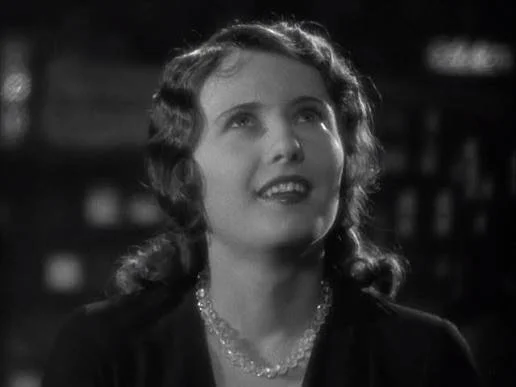
Ladies Of Leisure (Frank Capra, 1930, 35mm)
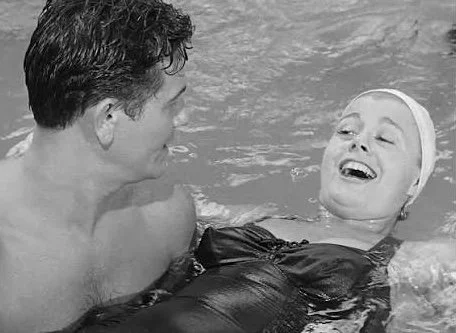
He Ran All The Way (John Berry, 1951)
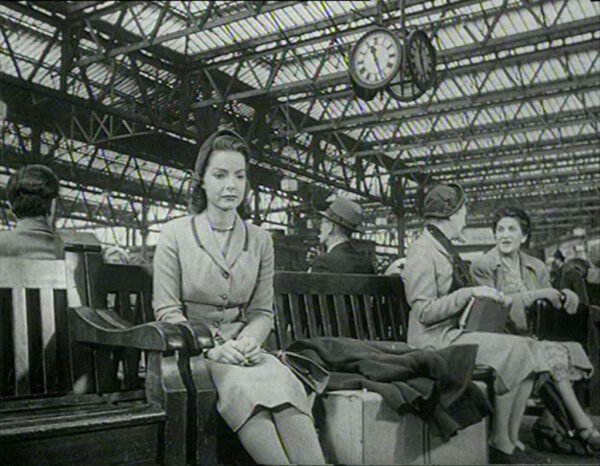
The Long Memory (Robert Hamer, 1953)
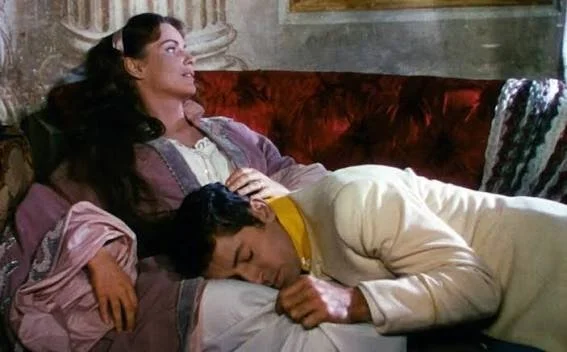
Senso (Luchino Visconti, 1954, 35mm)
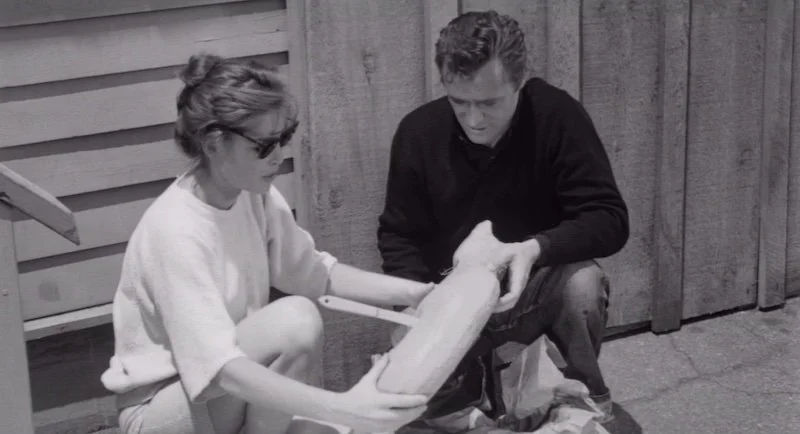
A Bucket Of Blood (Roger Corman, 1959)
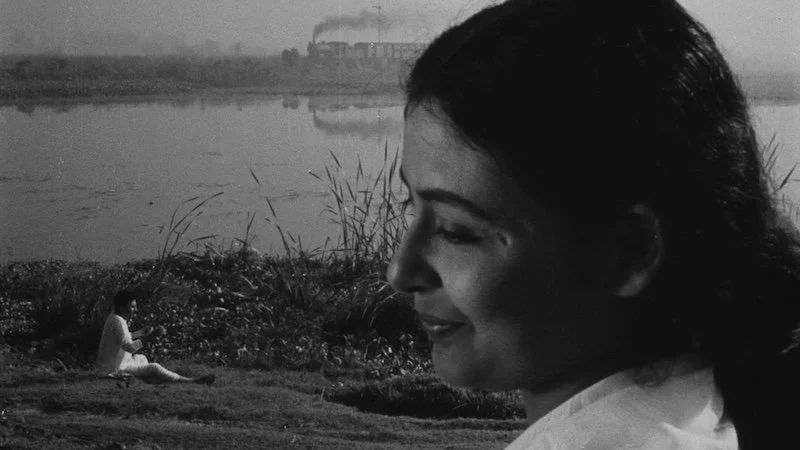
The Cloud-Capped Star (Ritwik Ghatak,1960)
La Bugiarda (Luigi Comencini, 1964)
Accident (Joseph Losey, 1967)
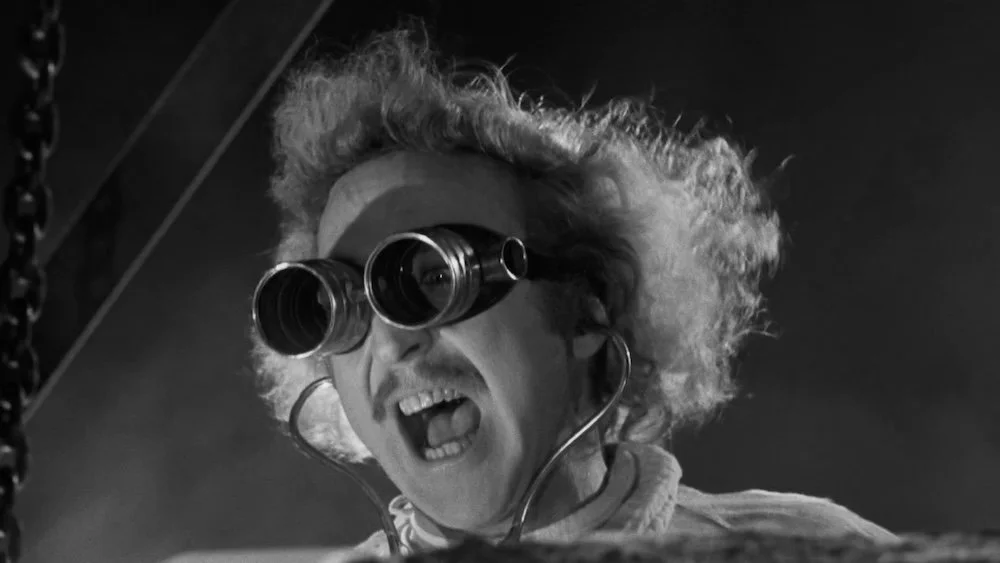
Young Frankenstein (Mel Brooks, 1974)
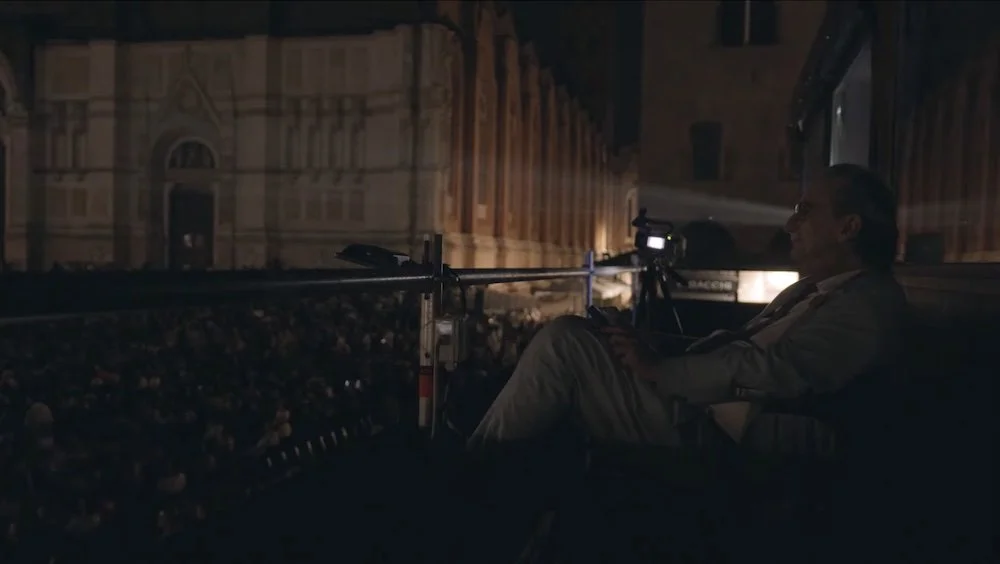
Young Frankenstein was the closing film of the festival, and on the night of Mel Brooks' 100th birthday. He wasn’t there in person but a short video introduction by him was shown before the screening. We were asked to sing happy birthday in Italian. You can watch both in the video below.
I really enjoyed watching it with more than 2000 people in Piazza Maggiore. A silly and old fashioned comedy that still makes people laugh.
Lastly, the wrap up video for the 40th edition:
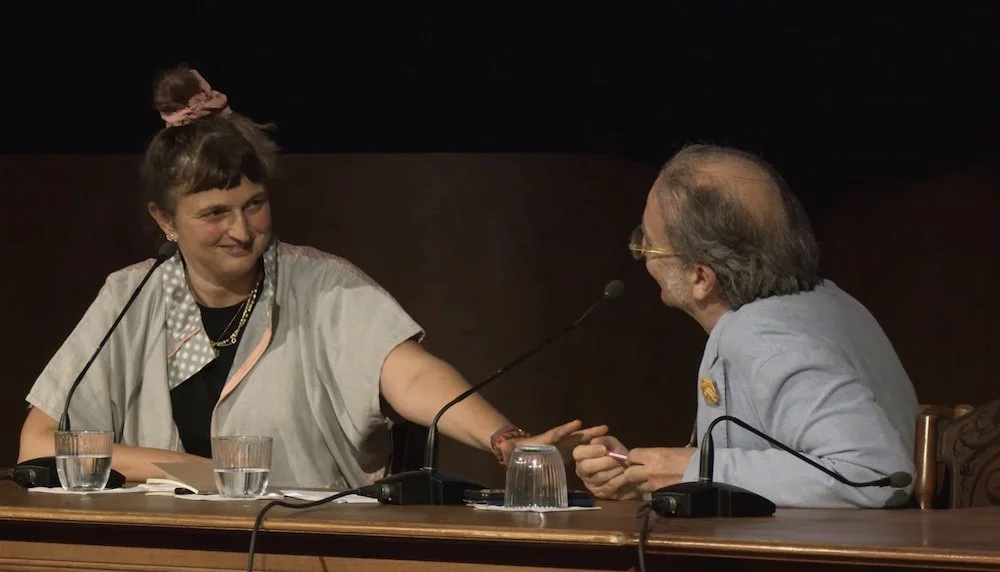
My favourite quote from it, Alice Rohrwacher to Gian Luca Farinelli:
“There’s always this obsession with producing, producing all the time, and no one - or very few - think about preserving and caring for things. And making this your vocation is a profoundly revolutionary act.” — Alice Rohrwacher
Everything I watched:
100 Years Ago 1926
- So This Is Paris (Ernst Lubitsch, 1926, 35mm)
Addio del passato: The Modernity of Luchino Visconti
- Senso (1954, 35mm)
All She Desires: Barbara Stanwyck
- Ladies Of Leisure (Frank Capra, 1930, 35mm)
Easy Living with Mitchell Leisen
- Cradle Song (1933, 35mm)
- Murder At The Vanities (1934, 35mm)
- Hand Across The Table (1935, 35mm)
- Easy Living (1937, 35mm)
- Swing High Swing Low (1937, 35mm)
- No Time For Love (1943, 35mm)
- Lady In The Dark (1944, 35mm)
- Practically Yours (1944, 35mm)
- Young Man With Ideas (1952)
Joséphine Baker, a Renaissance woman
- Princess Tam Tam (Edmond T. Gréville, 1934)
- Journée Royale Joséphine Baker Reine Des Colonies (1931, 2 Min)
- Actualités Féminines (1933, 2 Min)
- Bande Annonce Zouzou (1934, 4 Min)
Recovered and Restored
- What Price Glory (Raoul Walsh, 1926)
- The Organist at St. Vitus’ Cathedral (Martin Frič, 1929, 35mm)
- I Kiss Your Hand, Madame (Robert Land, 1929, 35mm)
- Eight Girls In A Boat (Richard Wallace, 1935, 35mm)
- He Ran All The Way (John Berry, 1951)
- Dracula In Istanbul (Mehmet Muhtar, 1953)
- The Long Memory (Robert Hamer, 1953)
- A Bucket Of Blood (Roger Corman, 1959)
- House Of Usher (Roger Corman, 1960)
- La Dérive (Paula Delsol, 1963)
- La Bugiarda (Luigi Comencini, 1964)
- Accident (Joseph Losey, 1967)
- Ken Russell’s The Devils (Director’s Cut) (1970, 35mm)
- Young Frankenstein (Mel Brooks, 1974)
Soil of Bengal, Water of Bengal: The Cinema of Ritwik Ghatak
- The Cloud-Capped Star (1960)