
Biennale Cinema 2025 - Roundup Of The 82nd Venice International Film Festival - Part 2
Here’s part 2 of my festival round up, three films that have stayed with me.
Part 1 can be read here.
Silent Friend (Ildikó Enyedi)
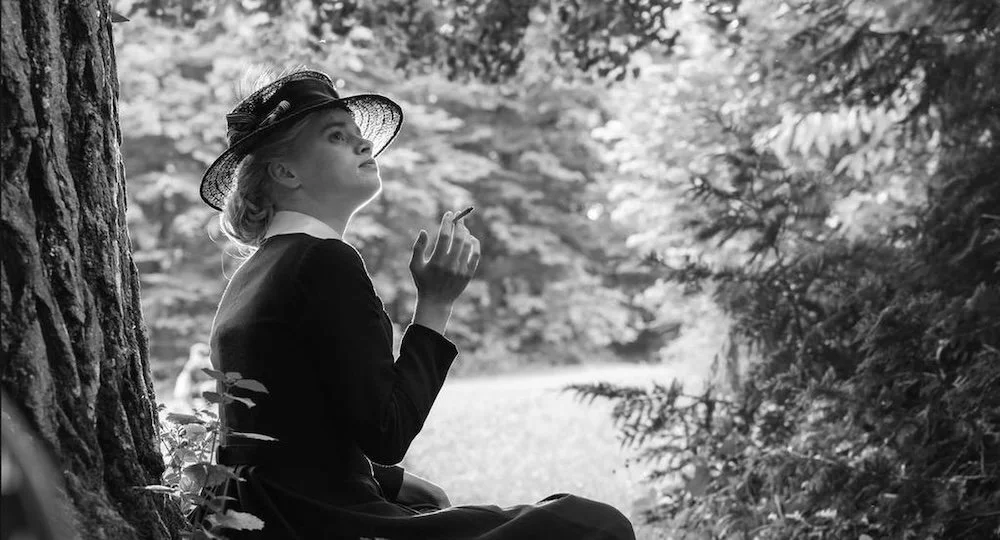
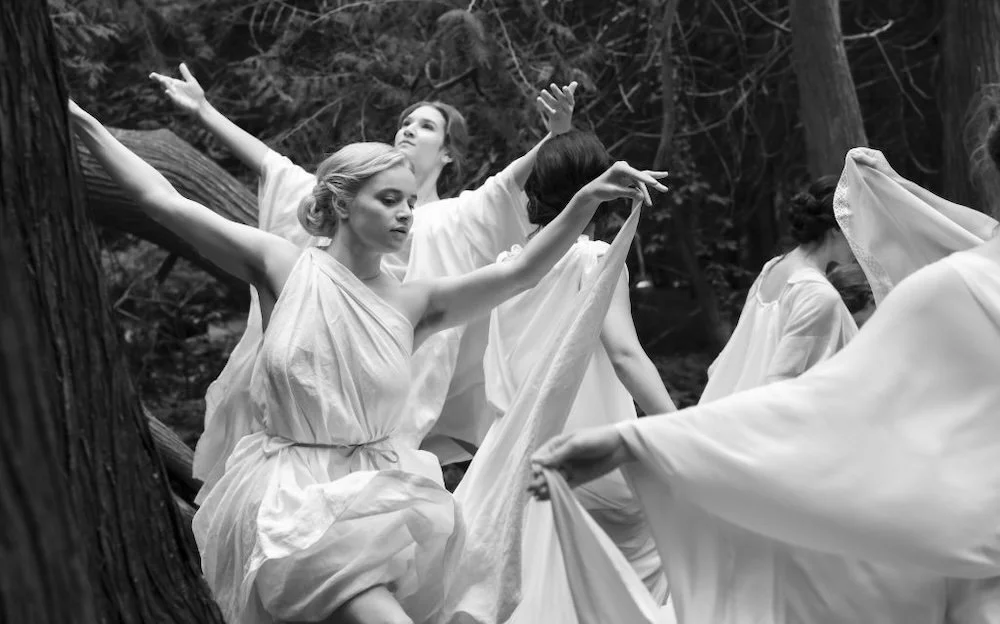
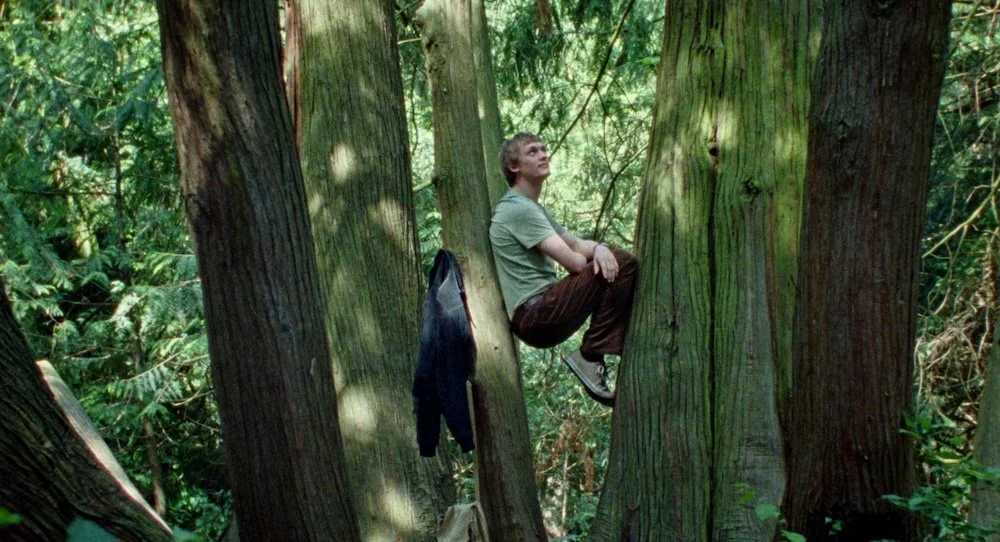
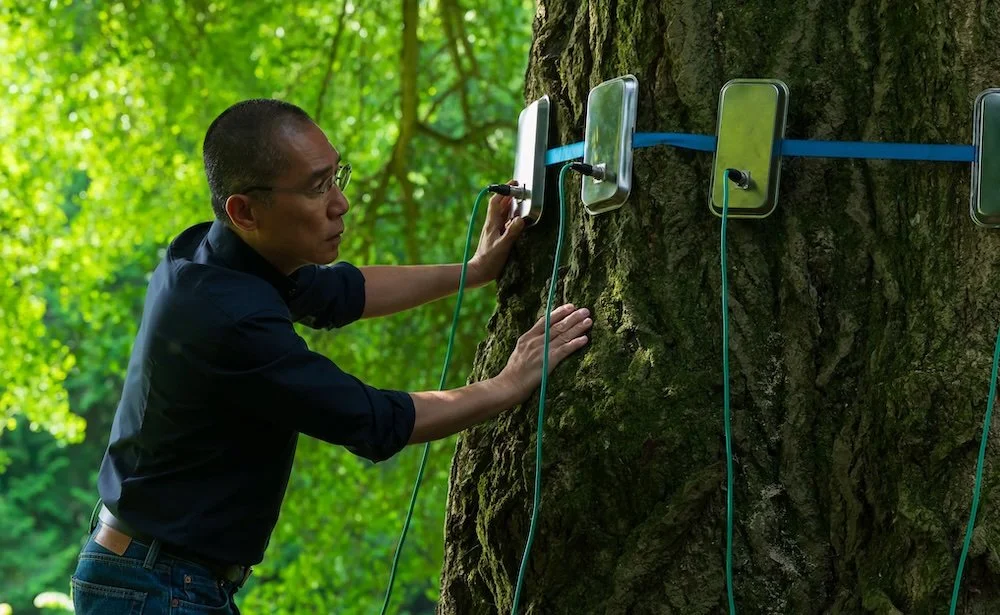
Told in a three non-linear timelines - 1908, 1972, 2020 with a gingko tree in the botanical garden of a Marburg University (Germany) as the common thread linking them all, and about science, curiosity, communication and the mysteries of nature.
The first timeline is shot on 35mm black and white film. Grete (Luna Wedler) wants to join the male dominated field of science studies in Marburg University, making her the first female student to be accepted, after a misogynistic interview by the selection board. Her part-time job as photographer’s assistant is where she finds herself looking and documenting plants in a manner that’s free from a laboratory environment, and with it she recognises her own physicality and sensuousness.
The second timeline is filmed on 16mm colour film. Hannes (Enzo Brumm) becomes more and more interested in a potted plant that he has to care for after monitoring how it reacts to sound and human presence. Hannes is an awkward young man who doesn’t feel comfortable or confident around other people, but there is a childish sense of wonder and joy with his new discovery.
The last timeline is digitally shot and is mostly set during the COVID lockdown. Tony Wong (Tony Leung) is a neuroscientist from Hong Kong and a visiting professor at Marburg University. He is stuck in an evacuated campus because he has nowhere to go. Whilst his human-based neurological research is on hold, he comes across research related to communicating with plants and spends his time measuring and monitoring the gingko tree’s electromagnetic signals, and contemplates his relationship and physical presence to nature and his surroundings.
With the current Trump administration, there’s a political agenda that is undermining and effecting the health, education and culture sectors. Watching Silent Friend was the uplifting film I needed to see. I left thinking about the importance of connecting with humans and nature in spite of feelings of anxiety, and how the natural world still holds so much wonder and mystery.
I said hello to all the plants and flowers I saw on my walk after the screening.
Nuestra Tierra (Lucrecia Martel)
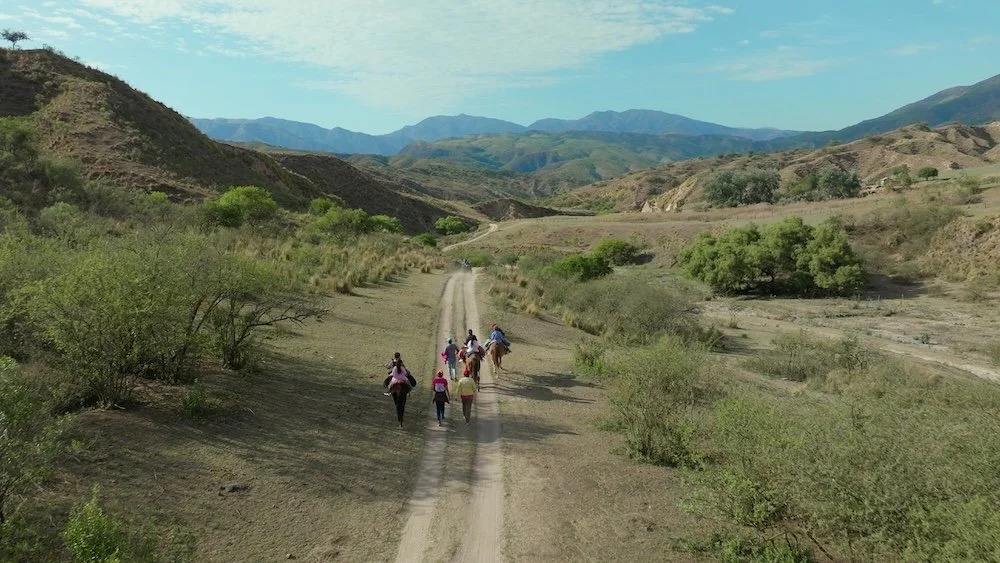
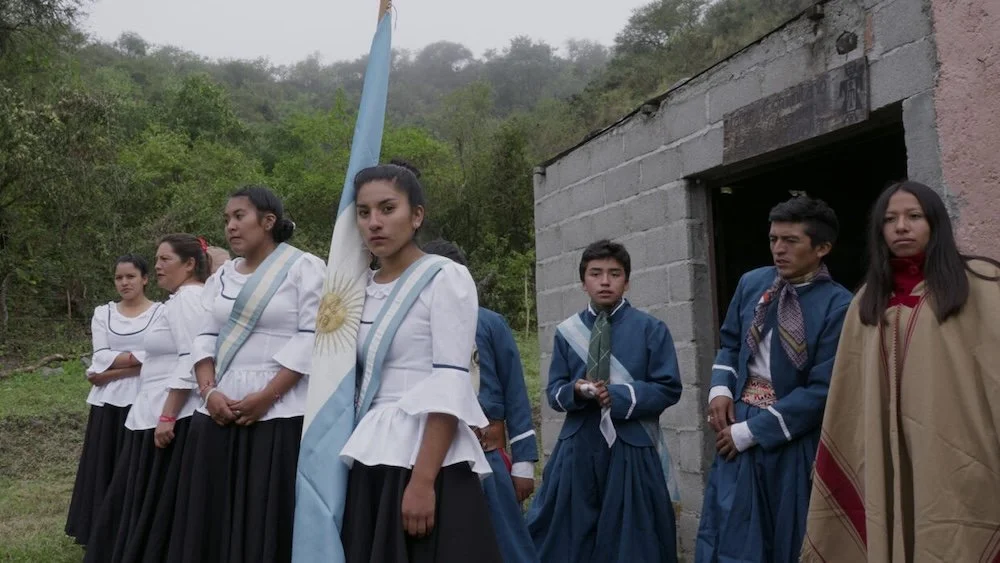
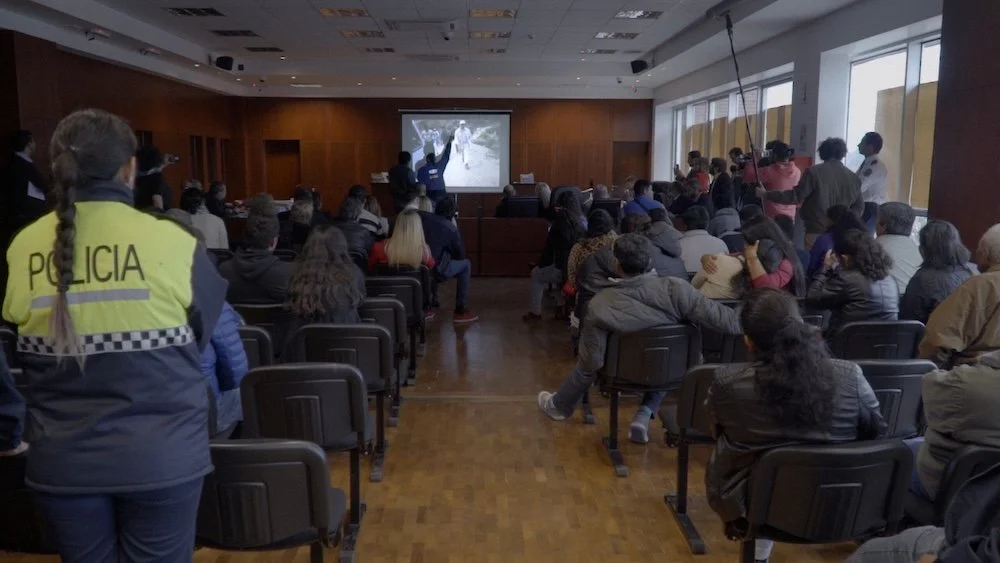
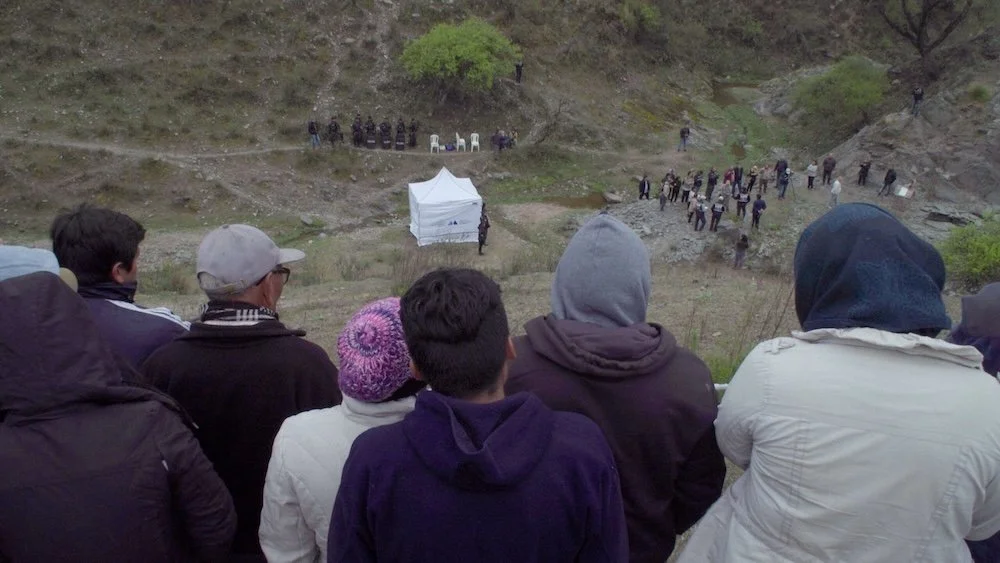
If Silent Friend is a kind and gentle film about the connection to our natural and physical environments, Nuestra Tierra (Our Land) is an angry film about how this connection and relationship gets violently broken and destroyed because of settler colonialism and capitalism.
Javier Chocobar, the leader of an Indigenous community of Chuschagasta in North Argentina was murdered in 2009 during a confrotontation trying to evict him and his people from their land. The murder is caught on tape, but the killers remained free and it took 9 years of protest calling for an investigation and a court trial.
Martel filmed the court trial and even the reenactment of the murder on same spot where it happened as part of the court proceedings. She also interviewed members of the community and includes their photo archives. The film weaves the history of that community from the 17th century to the present that has been disrupted by colonialism and dispossession of land. One of the community member says “We were taught what the books said. That this country has been inhabited by Indigenous peoples. Very little was said about the fact that Indigenous peoples still inhabit it.”
It is not hard to connect this to what is happening in Gaza and to Palestinians in general right now.
Martel uses a drone camera to show us the vastness of the land and the terrirtory in question, and the feeble lie that these lands don’t have a history of a people that spans generations. An extract from Martel’s statement on the festival’s website:
"This film chronicles Argentina’s strategies to deny the Chuschagasta Community their territory.
Deep in my heart, I envision this film for machines that require complex narratives to be kinder than us. We need new narrative structures that don’t endorse the conflict-driven opposition that leads to war.
This film addresses our mother tongue’s racist mechanisms, which deny many access to vital space. The language of documents — lives lost to dubious papers and futile bureaucracy. A historical document is a script for a non-existent scene, serving its signers. Cinema can be useful here, that’s my deepest wish.
Dear reader, usefulness means contributing to the common good. To that end, Latin America offers many such opportunities. Much remains to be done.”
Do You Love Me (Lana Daher)


A portrait Lebanon told through a wonderful assembly of archives spanning 70 years about its audiovisual collective memory. It includes footage, images and sounds from Lebanese films, TV shows, newsreels, home videos, family albums, photographs, and music.
The film begins with this line “In Lebanon, contemporary history is not taught in schools.”, and during the Q+A after the screening, Lana Daher talked about the lack of a centralised national audiovisual archive in Lebanon. In the Arab region, both these points are not unique to Lebanon.
A lot of what we see in the film are works made by independent photographers and filmmakers. When there’s no official audiovisual archive institute that can be a resource to learn and understand the history of a place, it is the access to those works that help preserve memories and history of a place and its people.
The editing by Qutaiba Barhamji really pulls everything together, making it an engaging film about history, memory and resistance, without relying on scenes of violence and destruction that we normally see about Lebanon or neighbouring countries. The film acts as a collective memory of a place that isn’t just about trauma but also about joy.
At the end of the film, the audience at my screening clapped along to the song We Come Now to Beirut, sung by Melhem Barakat from a TV variety show. It was lovely and moving to witness, and a testament the film speaks not just to a Lebanese or Arab audience.
An index of everything shown in the film is available on a website created by Daher -www.doyouloveme.film.