
RIP Tony Stella
On May 6, Midnight Marauder shared on Twitter the sad news of the passing away of Tony Stella.
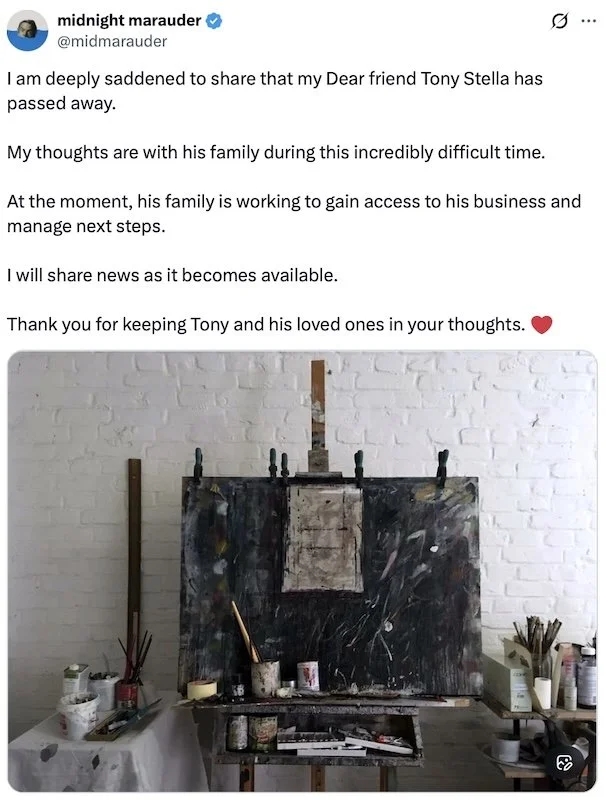
I’ve been following the works of both Midnight Marauder and Tony Stella for many years, both are great film poster designers with their own unique styles, and they started a design studio called Alphaville to collaborate on film poster projects.
Tony Stella’s hand painted film posters are works of art and a sight for sore eyes in the current state of film poster designs that look formulaic, lazy and at times just ugly, and one wonders about the taste of marketing teams in charge of promoting films these days.
Even Letterboxd which describes itself as a “global social network for grass-roots film discussion and discovery” treat film posters with disdain. Most of the film posters on their website appear without the original title/text layout because they’ve been digitally erased (I don’t understand why), making them look incomplete because they were never designed to look that way.
Hand-painted film posters and illustrations are an art that, unfortunately, is no longer practiced today as it once was. There are, however, pockets of resistance—admittedly increasingly rare—where artists still engage in this craft. No one manages to combine artistic flair with an encyclopedic knowledge of cinema from every latitude better than Tony Stella, the nom de plume of an artist and illustrator based in Germany with Italian roots, whose fame rather unexpectedly exploded a few years ago through social media and shows no sign of slowing down. In recent years, Stella has created posters for feature films and series, as well as numerous illustrations for DVD and Blu-ray releases—a unique touch capable of shifting and adapting depending on the tone of the work and the filmmaker in question. — Mateo B, https://asian-docs.com
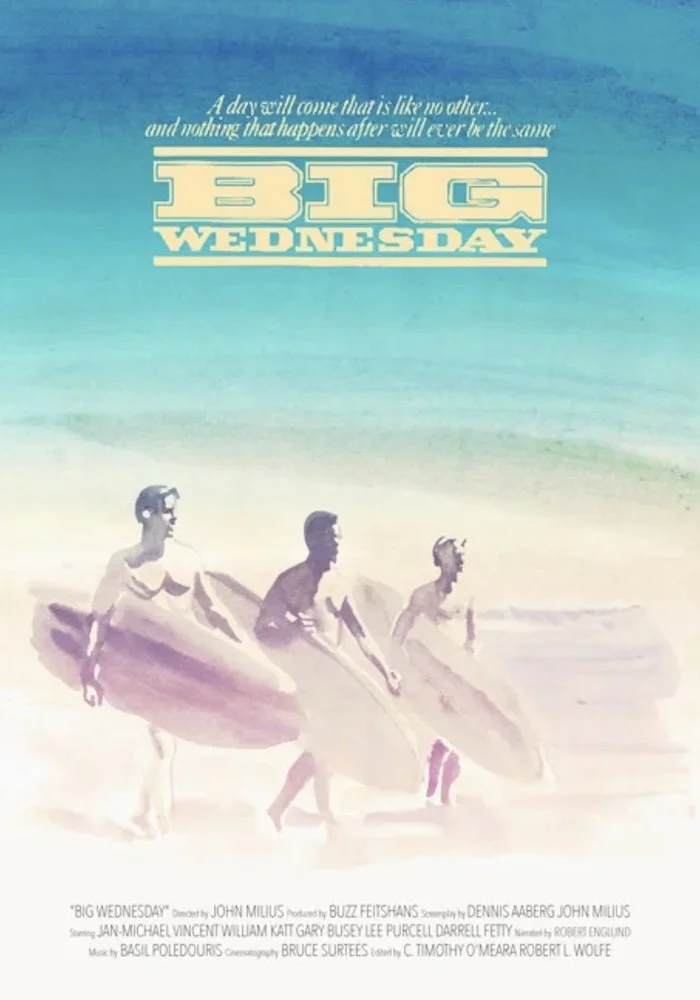
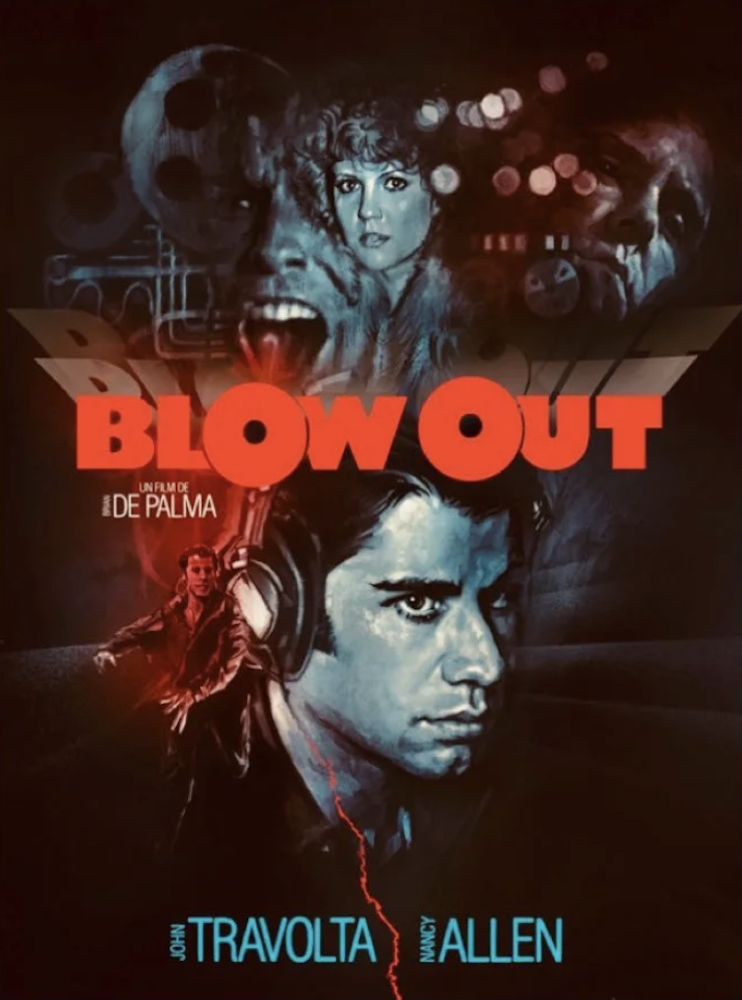
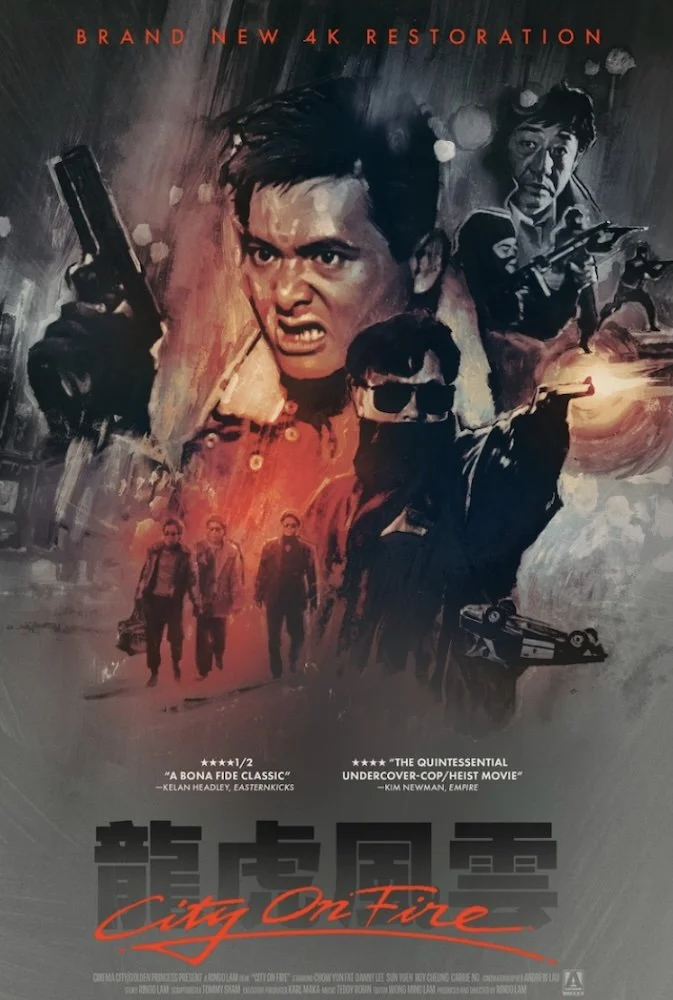
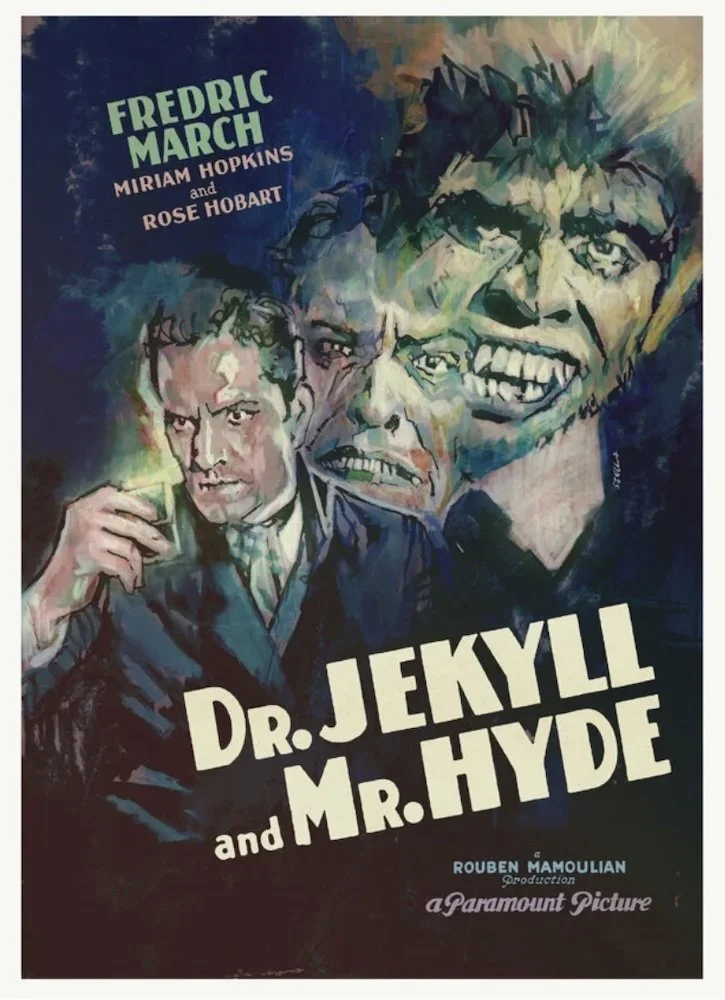

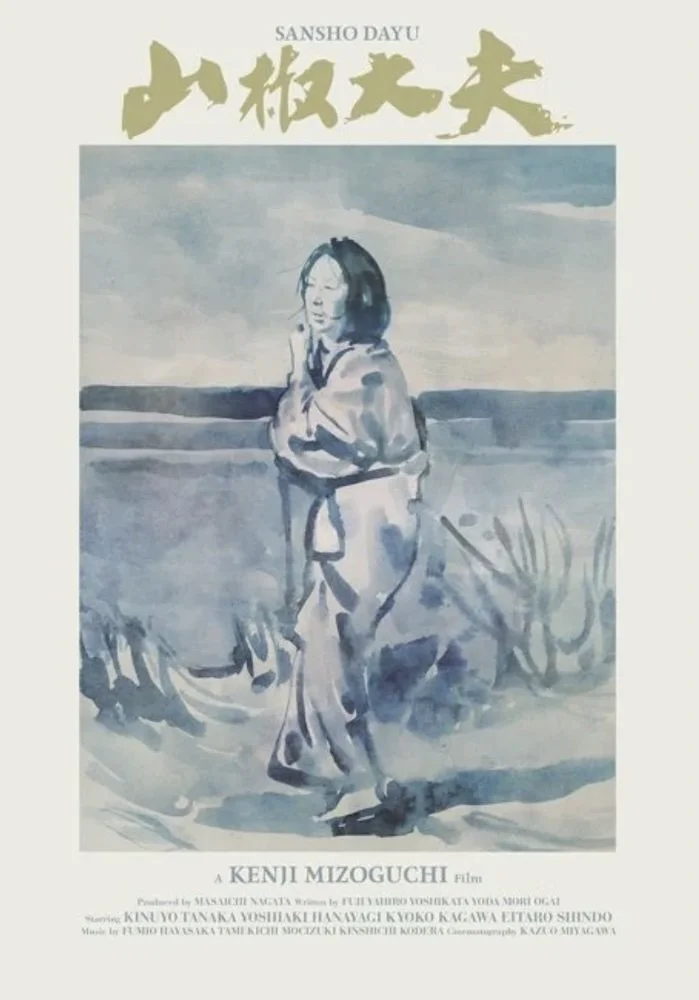
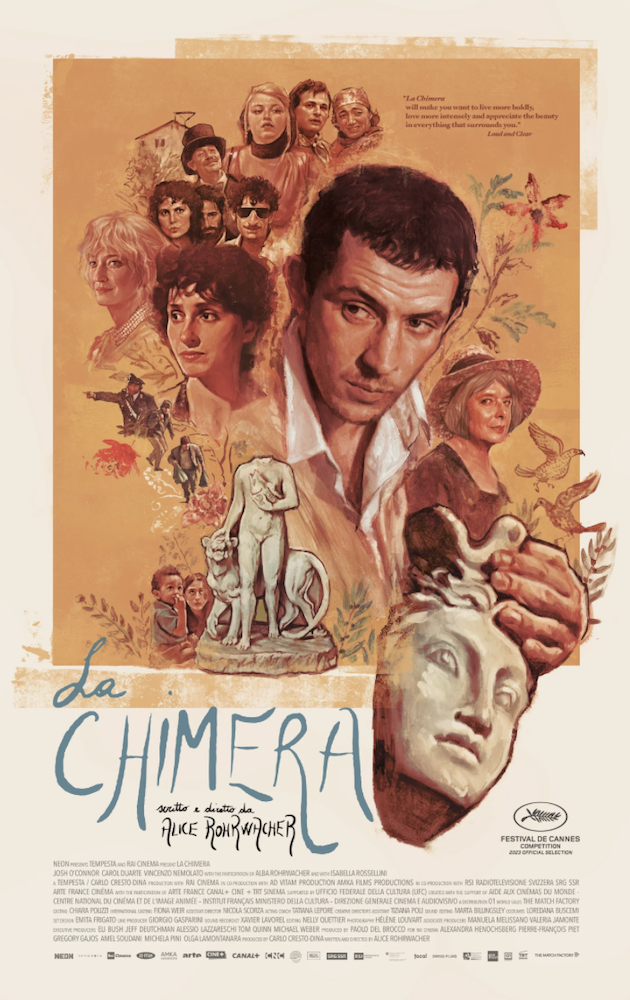
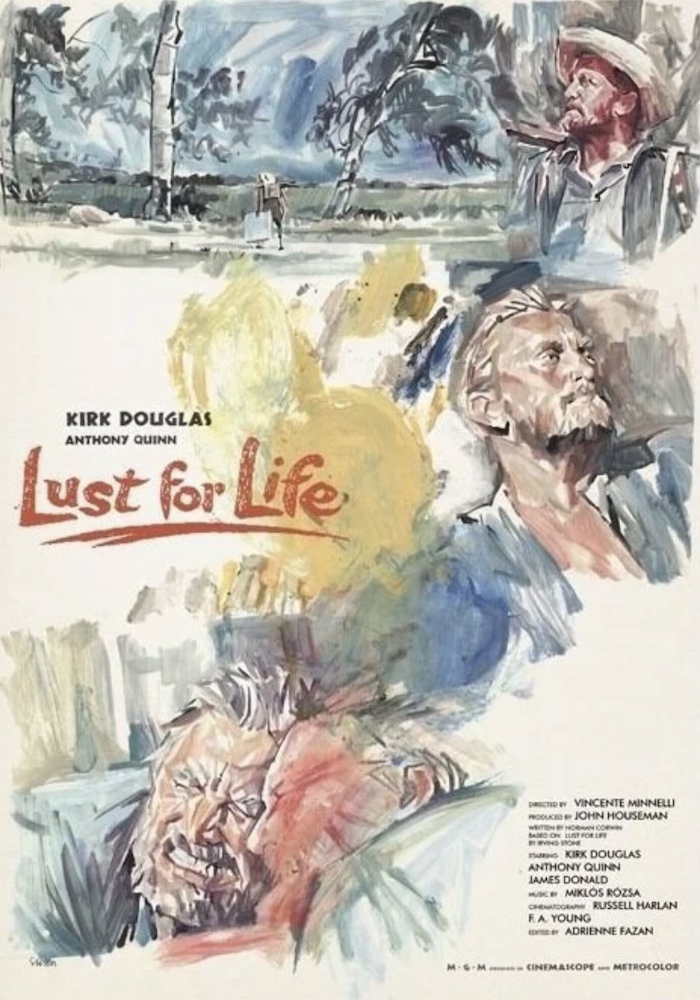
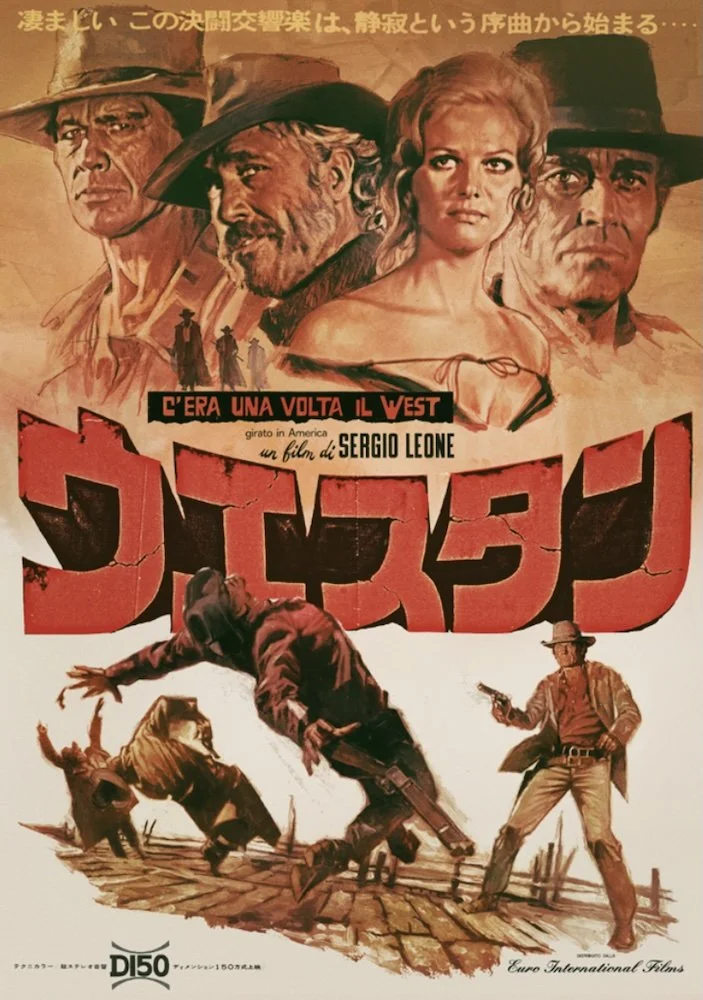
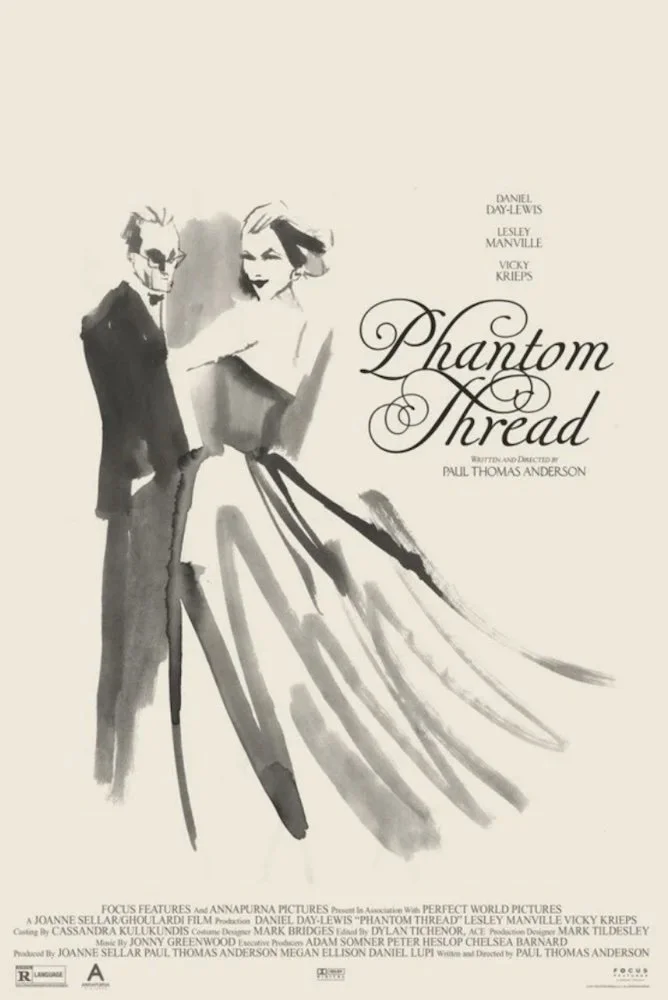
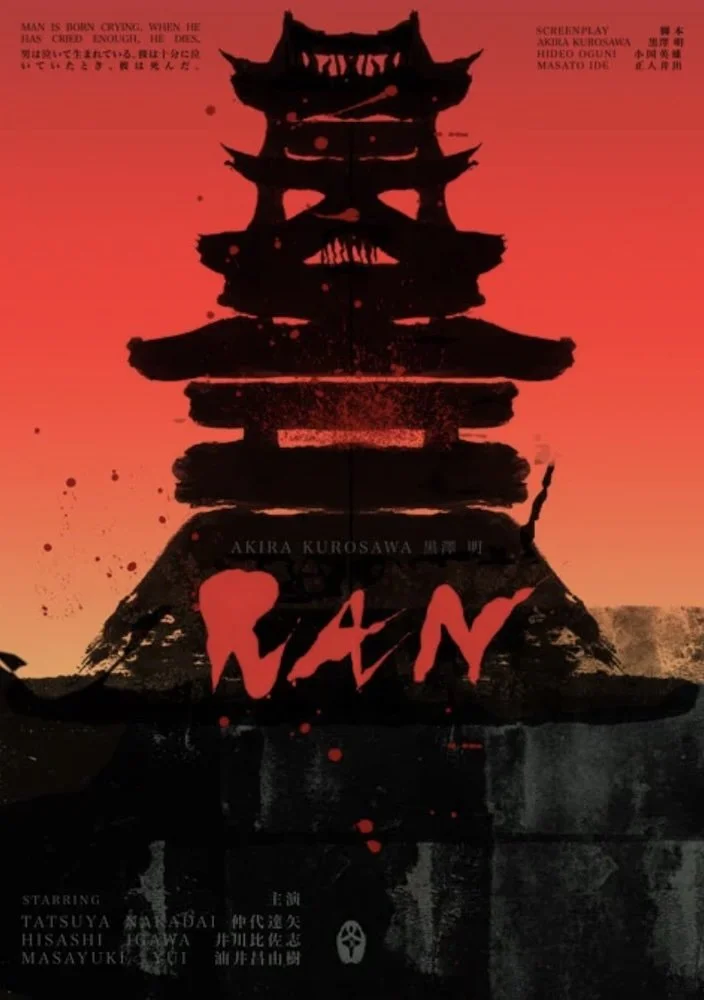
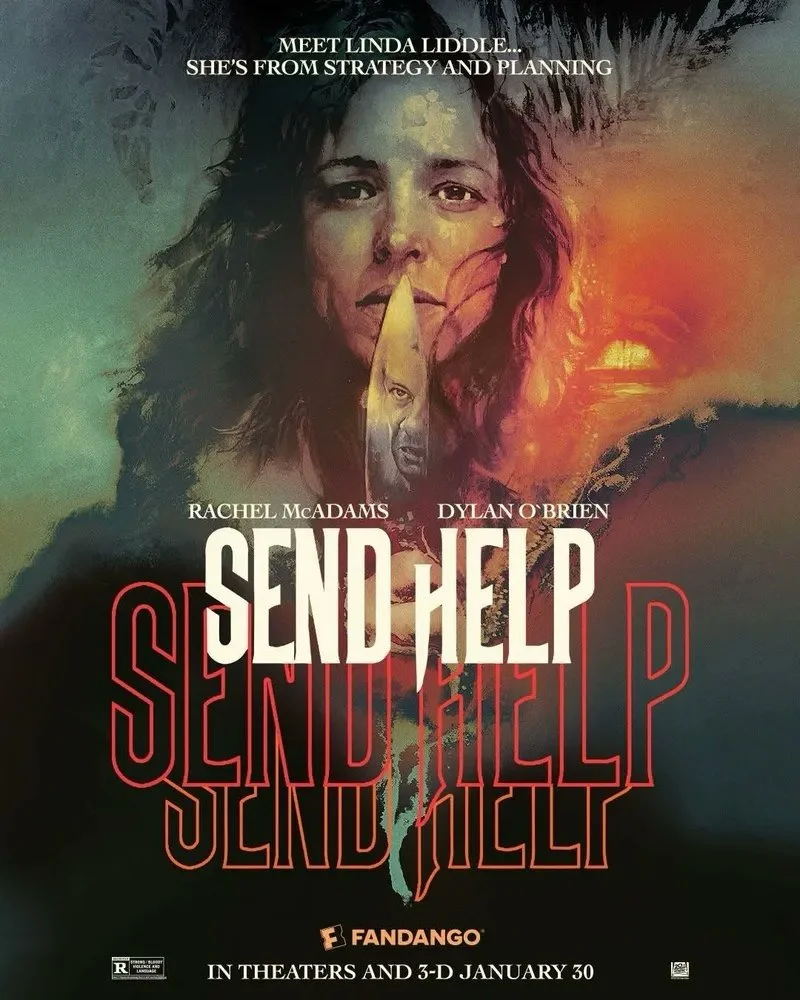
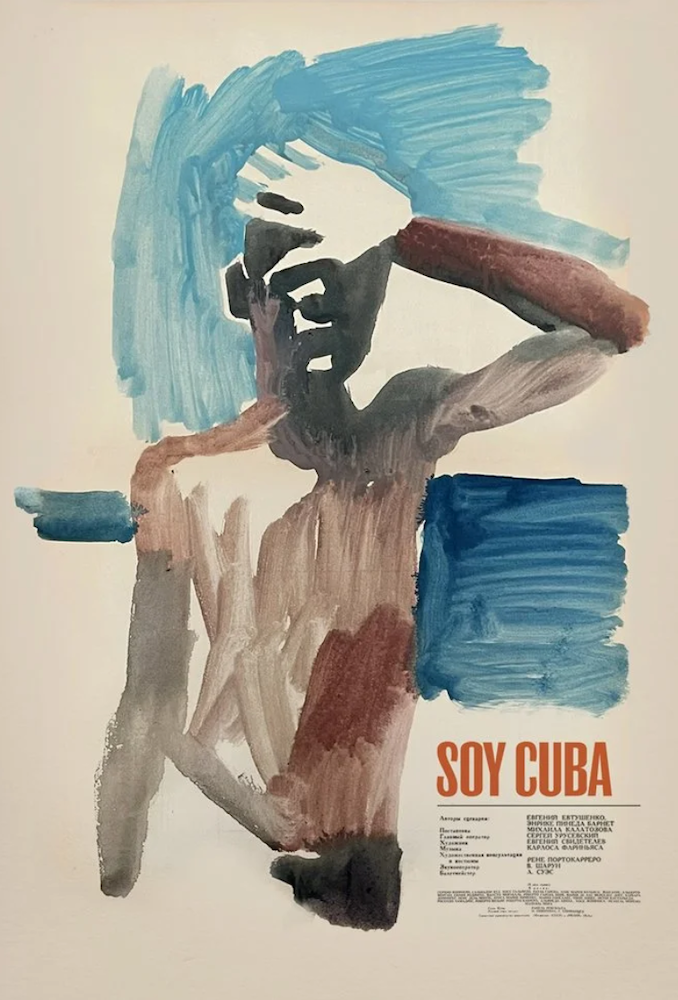
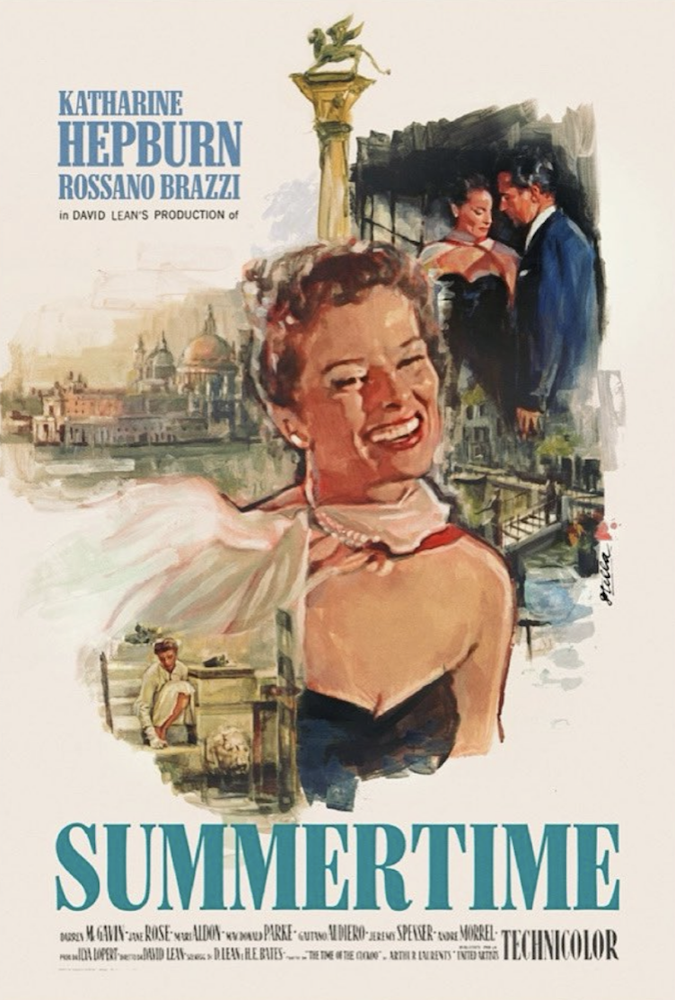
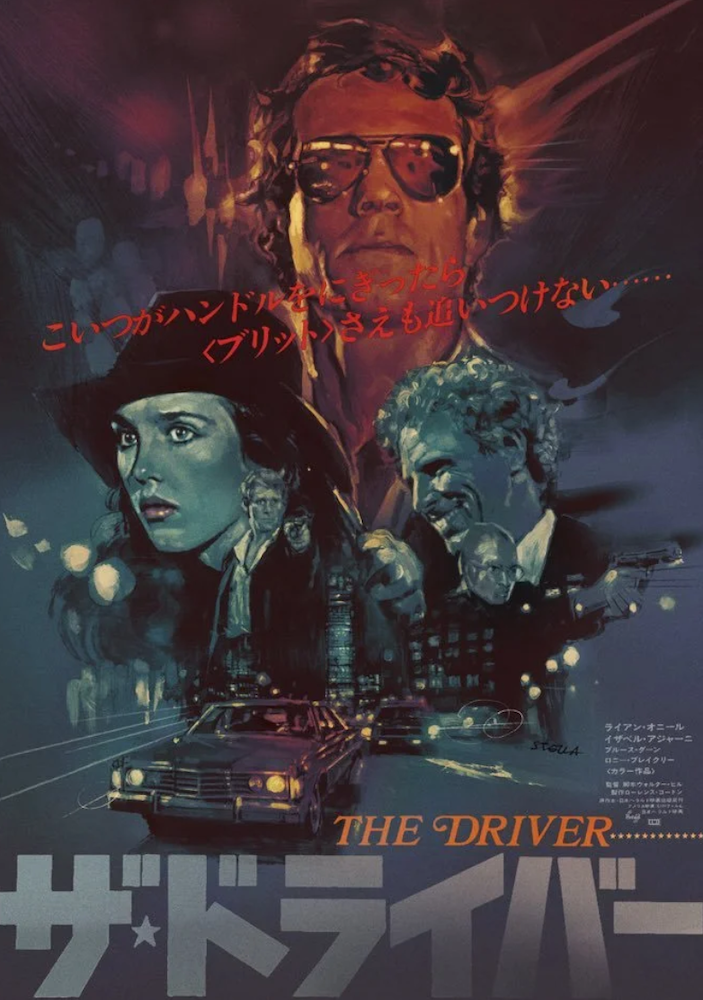
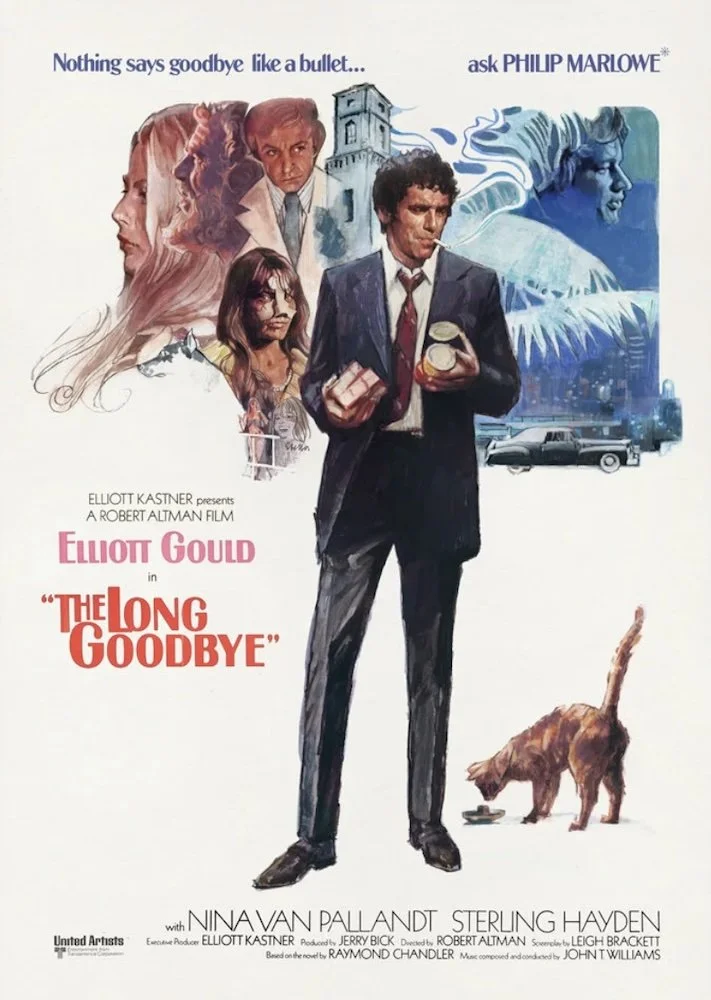
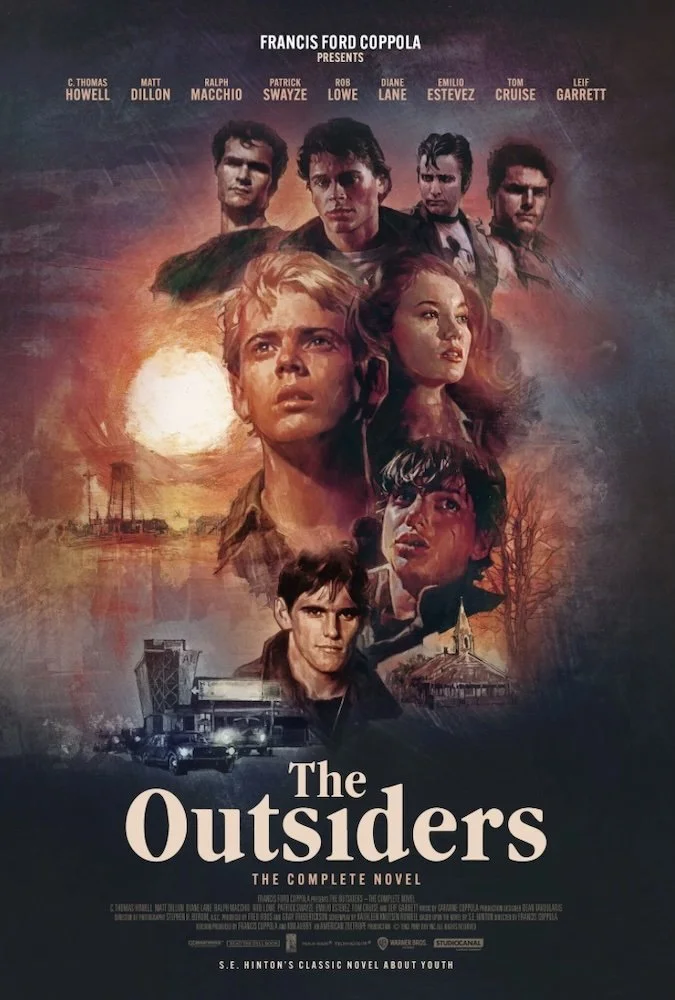
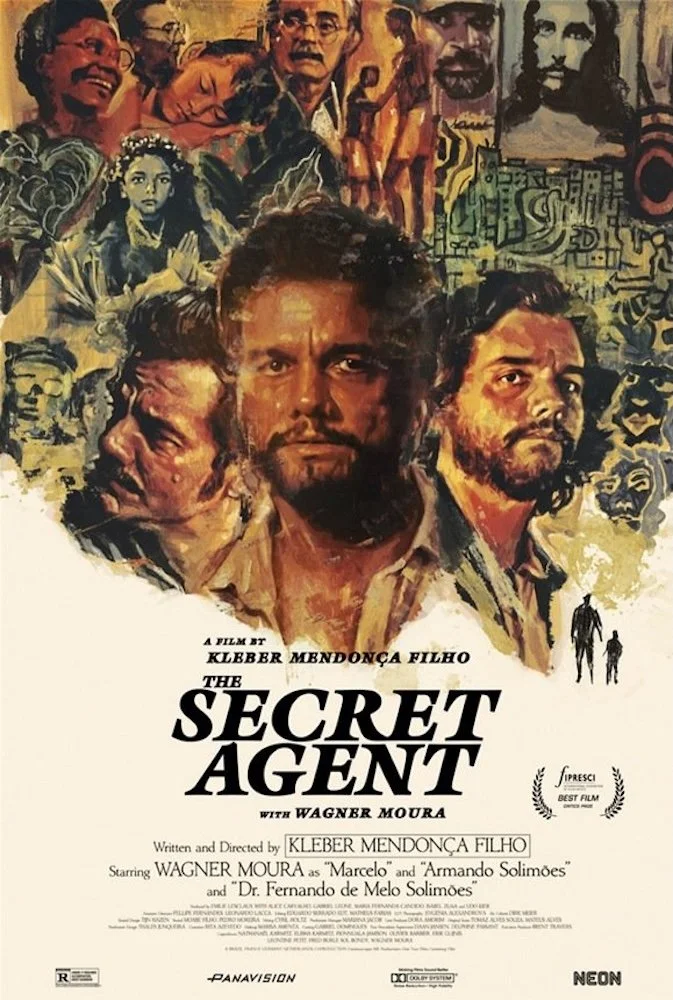
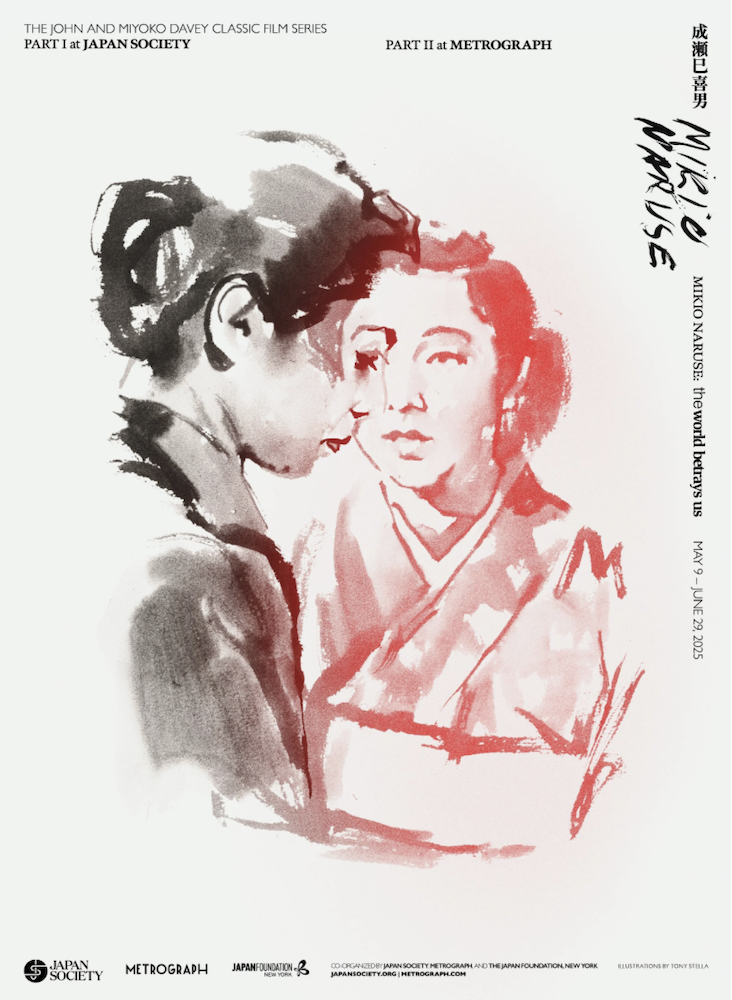
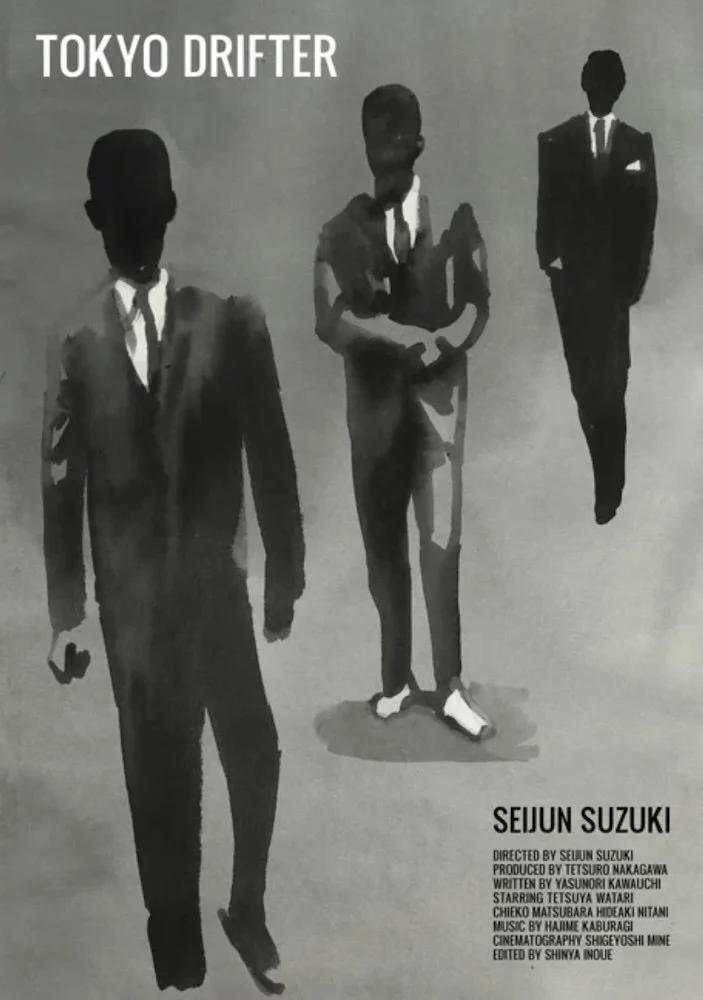
Tony Stella’s death brought together so many people on social media honouring him and his work, and for a few days Twitter felt like the pre-Elon Musk days. Besides sharing his works, I saw quite a few links to interviews that I wasn’t aware of before. I got to know more about him as a person and an artist through these interviews and sounds like artistic and creative integrity was very important to him.
There are no photos of him and even his age isn’t clear to many, but I’m guessing he’s a Gex X and typically of this generation, wanting the work itself to communicate everything he wants about himself.
I also learned he had a deep knowledge of world cinema, especially Japanese cinema and was “an unstoppable force when talking about movies”.
He was not a fan of the art world, “I also just hated the environment of the art world and was constantly disappointed by people that I didn’t respect” where he experienced restriction and rejection.
He liked working alone, “For a while, I wanted to become a director, but teamwork was not my strongest asset. I expressed my ideas in a better way alone in the studio, where I got to decide how the final product looked”
His work also includes book and music album covers, paintings and sculptures, and based on what I’ve read, 1000s of his works remain unseen. Hopefully someone is working on organising his archive and thinking about exhibiting his works. “I miss Japan very much and it's a long dream to realise an exhibition and a book that contains all of my Japanese film work.”
From a Requiem For a Brilliant Artist: On Tony Stella by Michael Gonzales:
Tony Stella’s untimely death is bound to leave a deep hole in the film art profession. “I would put Tony Stella’s name on a very short list of artists who’ve had a meaningful impact on how we think about movie posters in the 21st century,” Eric Skillman says. “He was a great talent and will be sorely missed.” Indeed, the same sentiment applies to the many people that loved the generous man, his beautiful work and his frequent correspondence on social media. We’re going to miss you, buddy.
The following are extracts from interviews I read that resonated with me, and I encourage you to read the complete versions, each title is linked to the complete interview:
January 2015
ART INTERVIEW: Tony Stella - Essential Asian Film Posters
How did you first get involved with illustrating film posters?
As an 80's kid I grew up with cinema blockbusters, but also with VHS tapes which gave you access to a hidden world of forgotten movie treasures, b-movies, exploitation- and martial-arts films. I am a product of this mix of "high" and "low" culture. My family's library was filled with books on film, filmmakers autobiographies and books on film poster art. In my house, film was discussed as an art-form and I grew up defending a lot of my choices against my father’s sophisticated taste.
I clearly remember film had a visceral impact on me & I wanted to act out the films right after watching them. When my friends were not around to share in this, I often drew what I had seen & started to combine the different worlds of each film as the fantasies started to overlap and got reinterpreted on paper. In the late 90's I started to hand-paint movie posters for my friends cinema club that was held weekly in an abandoned building, as the club got bigger we printed posters in very small limited editions.
August 2018
Interview with Tony Stella
How did your professional journey begin?
I started out in the fine arts world, and my works sold quite well, but prices were too tied to the name, to the “brand,” too dependent, so to speak, on market fluctuations. The turning point for me came during my stay in Japan. I lived in Kitakyushu for a year and a half; there, the entire international art world was magnified, and one couldn’t really go against the system. But I realized that this path wasn’t viable for me—I needed more creative freedom. Moreover, I wanted, and still want, my work to speak for me rather than my persona. I’m not interested in the name or in my personal figure. I started with graffiti on the streets—graffiti being, in a way, an anonymous art form—and perhaps everything stems from there.
During the time when I was painting professionally, I always continued—almost as a parallel passion—to draw film-related posters and illustrations for myself. Over nearly twenty years, purely out of passion and long before putting my work online, I had already created more than 600 posters and 2,000 drawings inspired by films, scenes, actors, and so on.
December 2021
In Conversation: Tony Stella
Why do you think there’s been a resurgence and growing appreciation for hand-crafted, limited edition posters for classic films? Does the popularity of Marvel and the fan culture that follows in its wake have anything to do with it?
I think our generation that grew up and got into positions of power and decision-making identify with these images from the past. But that’s also the evil that has sort of beset us because now it’s all retrofitted nostalgia, so we’re not telling new stories, we’re seeing the same stuff over and over again… The Ghostbusters and Back to the Future and Spiderman rehashes which is something that we unfortunately snuck in the door alongside our love.
We’re now the parents so we’re giving our kids the things we loved. So there’s a huge marketing potential which Marvel saw and exploited. It’s ironic that although they have limitless budgets their posters are so bad! I’m sure their board meeting discussions are about how making digital, photoshopped head-shot posters will bring in new younger crowds, but most of the artists of the golden age are still alive and could have created amazing limited edition posters that the older generation would have loved! But a lot of these guys like Drew Struzan have either retired or are just turned off by all the endless rehashes of Star Wars and Disney films. Back then the artists worked with the directors who would give direct input, but now you’re given over to a whole department that are going to pick apart your ideas.
It’s fairly unlikely though that this more risk-taking approach to commissioning art for movies will become the mainstream right?
I think our role as illustrators is to try to educate and lift up the appreciation for craft, because if you get exposed to good work for long enough it starts to seep into the thinking of the people in charge. But that’s a slow process and it needs lots of time, so posting stuff consistently and keeping up the quality goes a long way.
Tony Stella’s family and friends said his social media accounts will continue:
https://x.com/studiotstella
https://www.instagram.com/studiotstella
https://www.tony-stella.com