
RIP Sam Neill
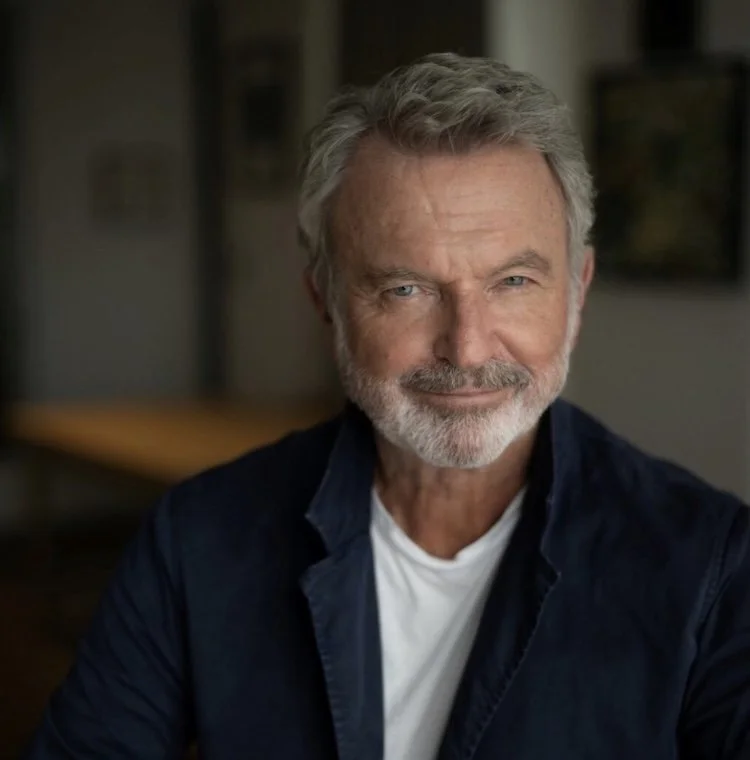
Image credit: www.nzonscreen.com
RIP Sam Neill (14 September, 1947 – 13 July, 2026)
I was very sad when I found out Sam Neill passed away. His social media account was a balm for many of us and came he across as a person with a good heart and good politics.
A quote by him in The Guardian from 2023 when he talked about having cancer.
“I’m not afraid to die, but it would annoy me. Because I’d really like another decade or two, you know? We’ve built all these lovely terraces, we’ve got these olive trees and cypresses, and I want to be around to see it all mature. And I’ve got my lovely little grandchildren. I want to see them get big. But as for the dying? I couldn’t care less.”
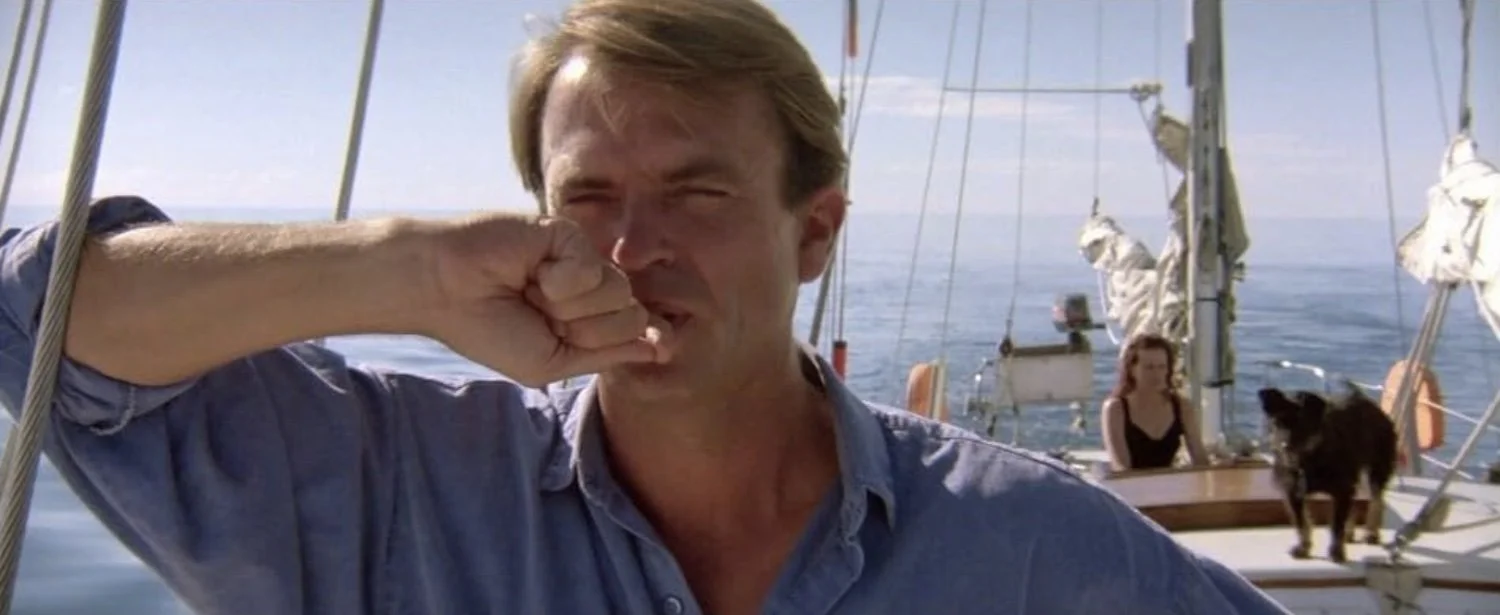
After the news broke, I tried to remember when I first came across him, and Dead Calm (Philip Noyce, 1989) came to mind. But then I remembered the mini TV series Kane and Abel (Buzz Kulikk, 1985) that aired on our local TV station Channel 33, and that must have been the first time I watched him act.
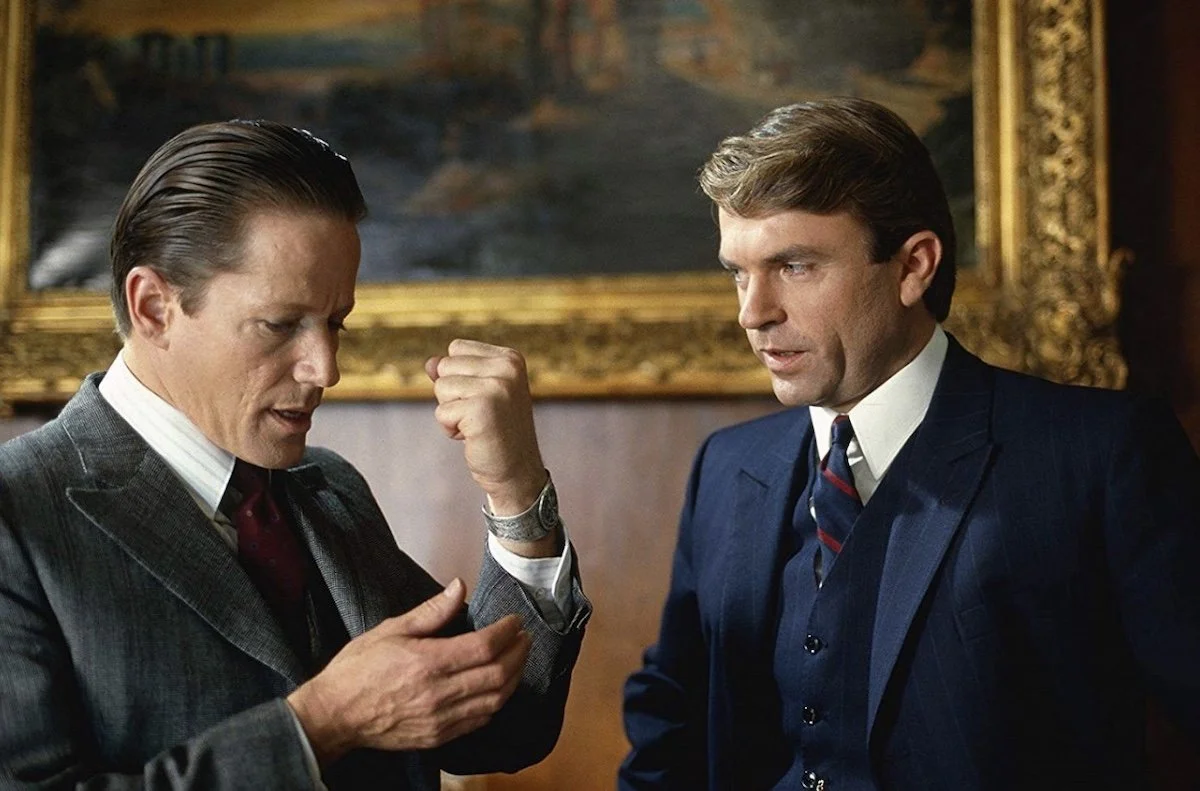
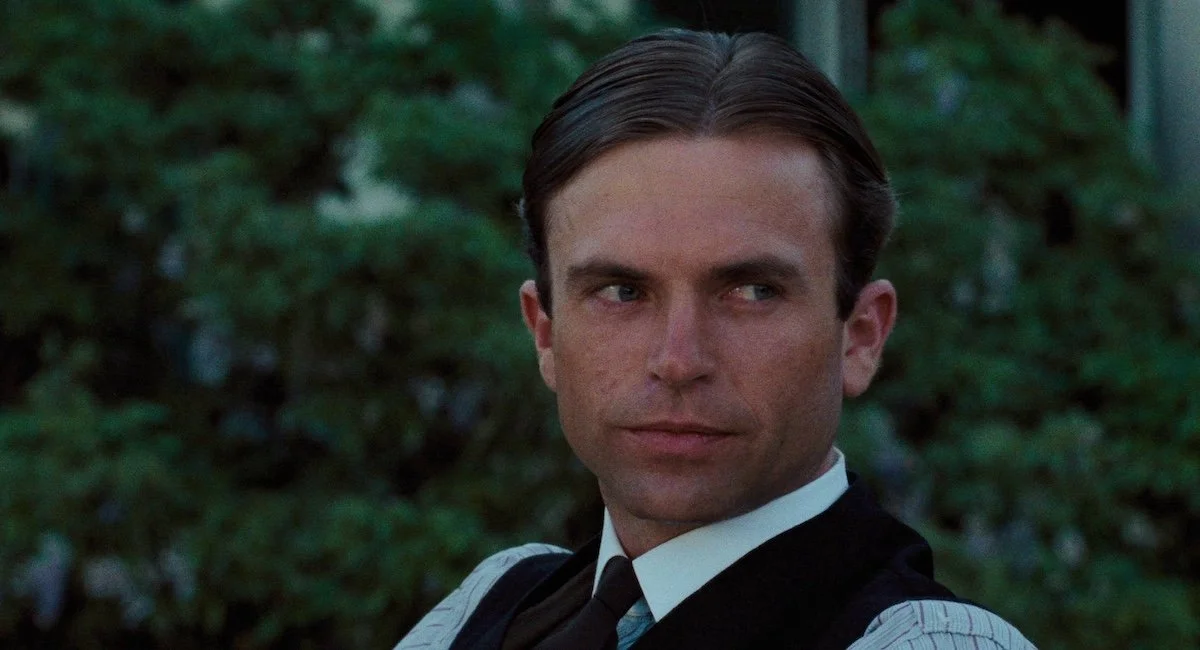
There are so many films to look back on, but for now I will mention one. In June 2023, I watched My Brilliant Career (Gillian Armstrong, 1979) at the BFI Film on Film Festival. He looked so dreamy in it.
via Crooked Marquee
“…looking back over Neill’s long career, what made him unique among actors of his generation was his willingness to be upstaged by his female co-stars.
Neill was not a needy performer, and generously ceded the spotlight to the likes of Meryl Streep’s Oscar-nominated caterwauling in A Cry in the Dark and Isabelle Adjani’s career-defining freakout in Possession. Not a lot of actors would have allowed themselves to be sidelined while Nicole Kidman saved herself from Billy Zane in Dead Calm, or let Holly Hunter cuckold them with Harvey Keitel in The Piano. But Neill didn’t have that kind of actorly ego, and appeared perfectly content to let the women in his pictures take center stage. (It’s also worth remembering that the dinosaurs in Jurassic Park were all female.)
You can trace this tendency all the way back to one of his very first films. In Gillian Armstrong’s 1979 My Brilliant Career, Neill plays a strikingly handsome, lovelorn son of privilege who – like the rest of us in the audience – is bowled over by Judy Davis’ headstrong Sybylla Melvyn.” — Sean Burns, Crooked Marquee
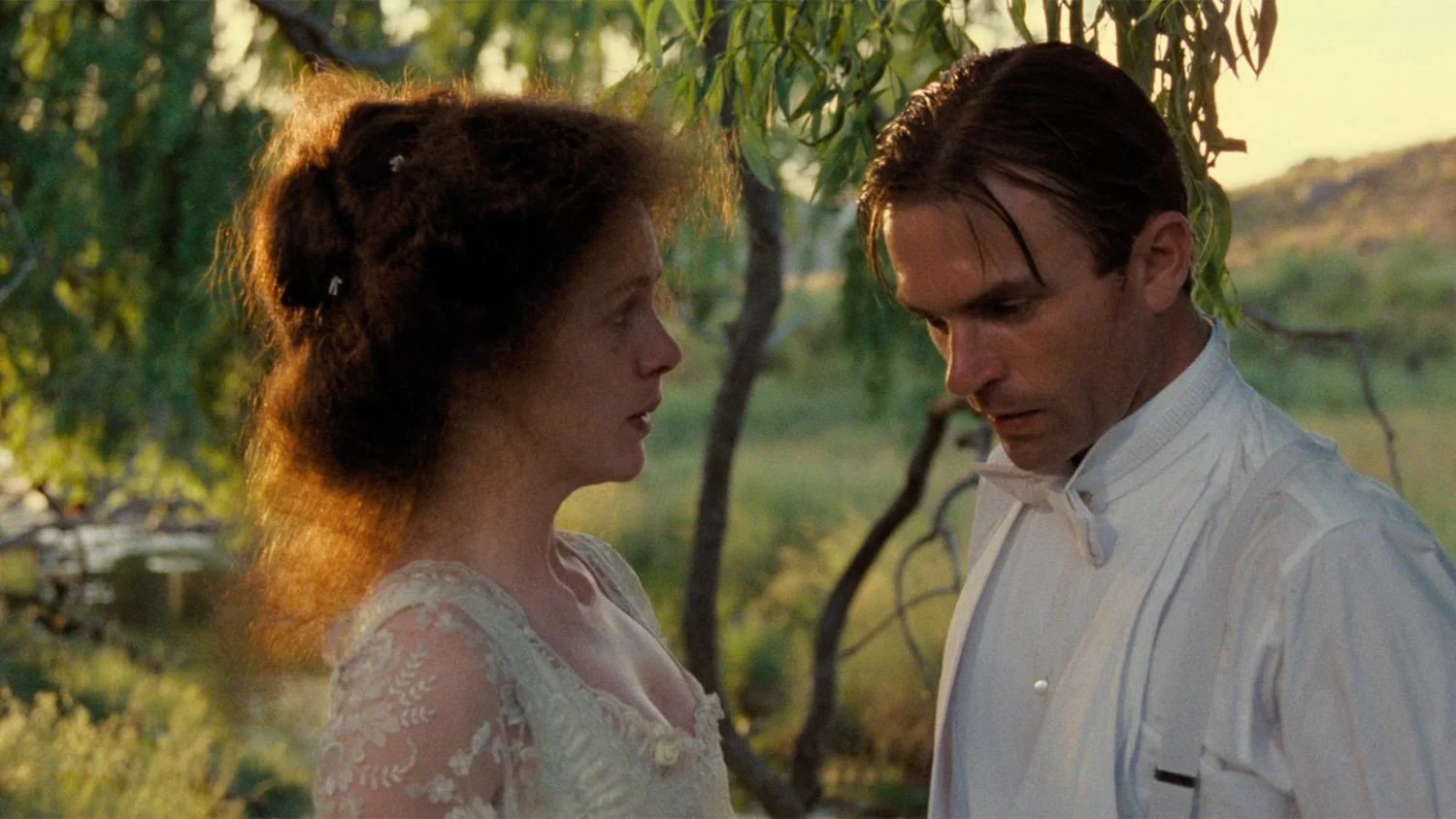
After the sad news, Mark Cousins shared on Twitter a film titled Cinema of Unease: A Personal Journey by Sam Neill from 1995, adding “Sam Neill co-directed this, one of the best films about national cinema”. It was the first time I heard of it. I found it on NZ On Screen and watched it right away.
“If a national cinema is a reflection of ourselves, then ours is a troubled reflection” — Sam Neill
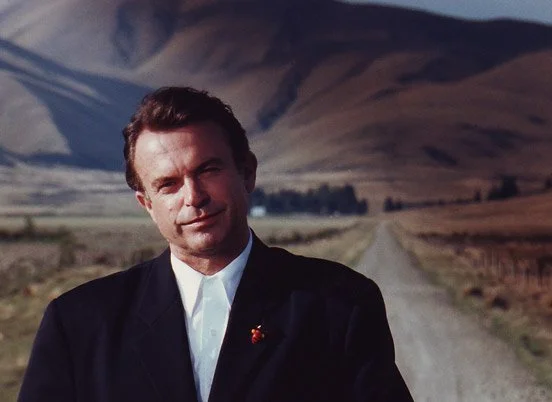
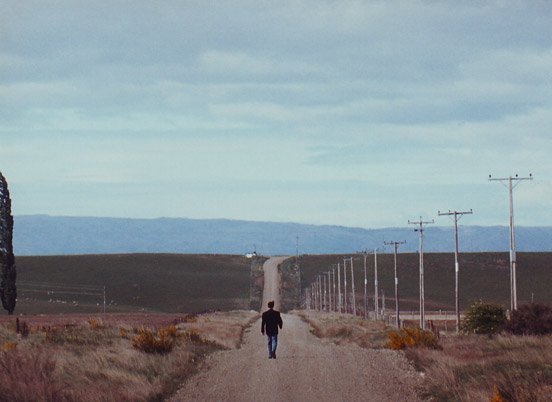
BFI published a piece by Carmen Gray about the film and Sam Neill the day after he passed away.
“The laidback grace of actor Sam Neill – droll, unfussed by celebrity, and an advocate of the proverbial underdog – made him a national treasure for New Zealanders, who have always been deeply suspicious of the trappings of fame and of authorities that overstep. When he wrote, co-directed (with Judy Rymer) and walked us as narrator through 1995’s Cinema of Unease: A Personal Journey by Sam Neill – his vividly anecdotal, thoughtful attempt to reckon with the kind of national cinema that had just come into its own in Aotearoa – it registered to many Kiwis as a voice we could trust.” Carmen Gray, BFI
I then found more works by Sam Neill and learned he directed a bunch of documentaries in the 1970s before becoming a full time actor. Many of them were corporate films commissioned by National Film Unit and can be watched on NZ On Screen.
So far I’ve watched the following:
Phone (1974, 17 min)
Written, edited and directed by Sam Neill, it’s a humorous corporate film commissioned by National Film Unit for the Post Office.
Favourite quote from it, “Dialling incorrectly with a pen or forcing the dial back is obvious bad telephone usage. Wrong numbers waste others time, and your own. Don’t guess, look them up.”
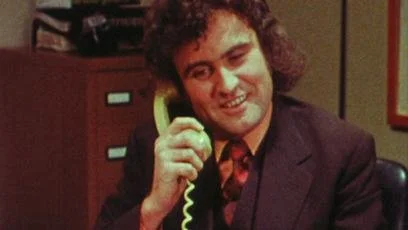
This 1974 primer on proper phone manner marks one of the earliest films directed by Sam Neill. Actor turned scriptwriter John Banas plays a polite eccentric calling a company about his telepathic machine, only to face rude behaviour at every turn. Among those failing to bring the nice are two future Gliding On actors: a mullet-haired Ross Jolly, and Grant Tilly, who would rather be eating his sponge finger. Also known as Telephone Etiquette, the film was made by the National Film Unit for the Post Office, back when telephone services were still under its command.
Four Shorts on Architecture (1975, 30 min)
Favourite quotes from this:
“In Godzone, jewel of the South Pacific, all is not well. The dreaded grey peril mediocrity is sweeping the land. In the capital, mediocrity’s promoters — politician, bureaucrat and speculator — congratulate one another on their success.”
“Into the increasing grey mediocrity of city building swoops a saviour - Architect Man, a politician, a speculator and a bureaucrat converge on him in an attempt to cut him off, will Architect Man sell out?”
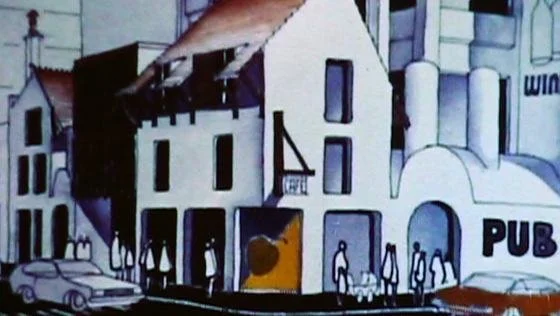
Director Sam Neill uses ‘Architect Man’ — a cartoon superhero trying to save Wellington’s buildings from mediocrity — to open this visual essay on contemporary Kiwi architecture. A montage of construction materials is followed by views on the high rise, woolshed, and Futuna Chapel. Renovation, DIY, prefabs and non-conformist design thinking are offered as hopes for the built environment’s future. Made by Neill when he was working at the National Film Unit, it was released in a shortened version (without the animation) in 1977, the same year he starred in movie Sleeping Dogs.
Flare - A Ski Trip (1977, 20 min)
I loved the camera work in this, and the skiing scenes on an active volcano.
Favourite quote, “It’s not altogether how fast you do it, but how much you can do, when you do it. And again, madness helps.”
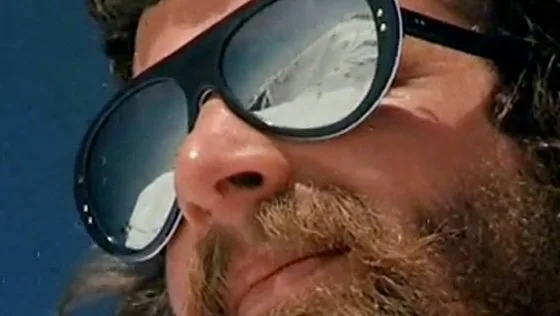
This short documentary about freestyle skiing was directed for the NZ Tourist and Publicity Department by Sam Neill (who would shortly find fame as an actor). This was one of several docos directed by Neill while at the National Film Unit; other subjects included the Red Mole theatre troupe and architect Ian Athfield. Seven skiers put on daring displays of their 'art' in locations including Mount Hutt and Coronet Peak in Queenstown. Their final run ticks off a long held dream- active volcano Mt Ngaurahoe in Tongariro National Park. Flare was translated into French, Japanese, Italian, German and Spanish.
It’s also available on YouTube, it’s really fun and if you can only watch one of the films listed here, choose this.
Architect Athfield (1977, 54 min)
Narrated and directed by Sam Neill.
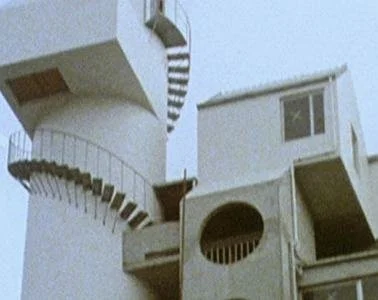
Before he achieved fame as an actor, Sam Neill directed documentaries for the National Film Unit. Achitect Athfieldwas one of his most ambitious. It examines the philosophy, early achievements and frustrations of one of New Zealand's most innovative architects, Ian Athfield. In 1975 he won a global contest to design housing for 140,000 squatters in Manila — the capital city of the Philippines —yet struggled to gain recognition back home. This film culminates in Athfield's trip to the Philippines to pursue the project. Athfield died in January 2015.
Surf Sail (1978, 17 min)
When I was watching this, I wondered if there’s a collection of home movies made by him, and if they exist, I hope we get to see them.
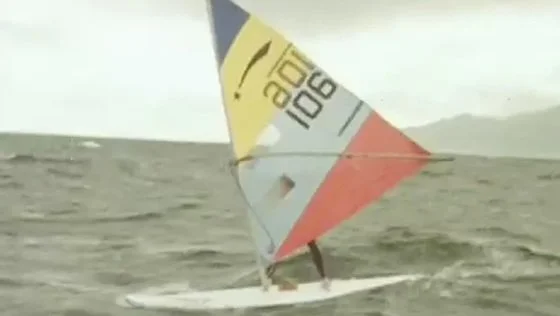
This documentary follows an attempt by Chris Wylie, Grant Beck and Susie Gibb to be the first windsurfers to cross Cook Strait. It is directed and narrated by Sam Neill, who had recently starred in breakthrough movie Sleeping Dogs. Skeptical Cook Strait pilot John (Giovanni) Cataldo asks them "do you wanna have a crack?" "Yeah, bloody oath" replies one of the trio. The surfers face the strait's infamous winds, tides, swells, sharks and exhaustion. Some stunning helicopter shots include a windsurfer clipping through whitecaps with a pod of dolphins in its wake.
On the Road with Red Mole (1979, 52 min)
Part documentary, part road movie about an alternative theatre troupe.
Favourite quote, “We believe if you can entertain people on their own terms on their own grounds, in their own marketplace, you can change their heads.”
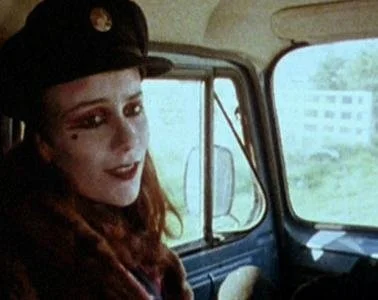
By 1979 alternative theatre troupe Red Mole were back in hometown New Zealand, although they would soon return to the United States. Sam Neill's film mixes documentary and whimsy, as it follows Red Mole on a Kiwi tour — from small towns to Auckland, with surrealistic sightings on the roadside. As they near the big smoke, Red Mole founder Alan Brunton reveals a rare moment of anxiety over filling the 1300-seat His Majesty's Theatre. Sam Neill had done time as a travelling actor in schools before directing the film.
I also watched Sleeping Dogs, Sam Neill’s first feature film, directed by Roger Donaldson and released in 1977.
About Smith (Sam Neill) who gets drawn into protests against a right-wing government in New Zealand. It’s brutal and very relatable to present times. So relatable, it starts with news about a Middle East oil crisis.
After it ended, I felt sad for Smith. All he wanted was to be left alone and to live on an island with his new pet dog.
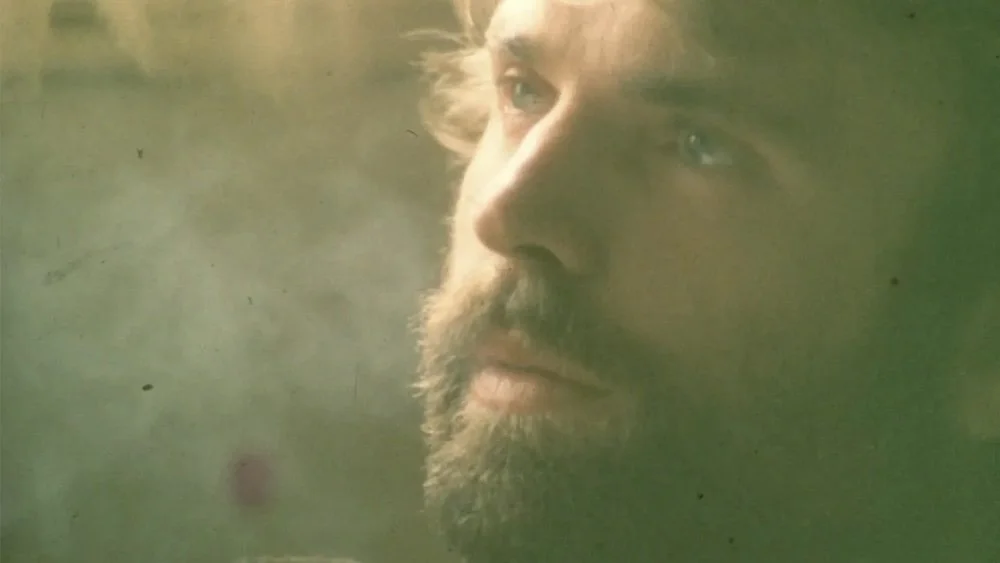
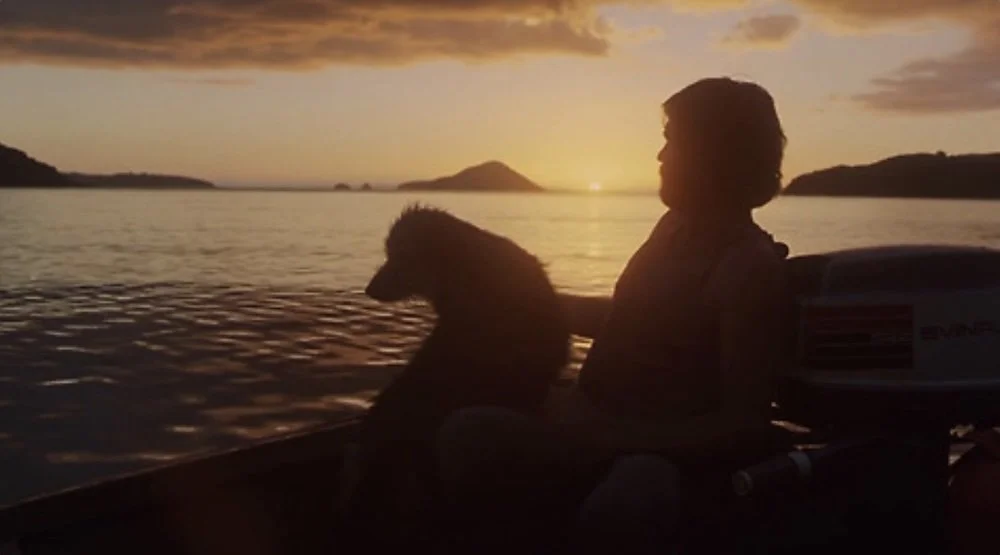
Smith (Sam Neill, in his breakthrough screen role) is devastated when his wife runs off with his best friend Bullen (Ian Mune), so escapes to the Coromandel. The government enlists an anti-terrorist force to crack down on its opponents, and Bullen — now a guerrilla — asks Smith to join the revolution. Directed by Roger Donaldson, this adaptation of the CK Stead novel Smith's Dream heralded a new wave of New Zealand cinema; one of the only Kiwi films of the 1970s to win a big local audience. A much-discussed scene includes a baton charge by government forces, predating the real-life conflicts of the 1981 Springbok tour.