
RIP Patricio Guzmán
RIP Patricio Guzmán (August 11, 1941 – September 15, 2026)
One of Guzmán’s famous quote is “A country without documentary cinema is like a family without a family album.” He leaves behind multiple family albums about the violent and painful history of his home country Chile, that resonate with the history of many other countries.
Chile: Obstinate Memory (1997) was the last film I saw a film by at the 2023 edition of Viennale. In my festival roundup I wrote,
In Chile, The Obstinate Memory (Patricio Guzman, 1997) Guzman returns to Chile for the first time in 23 years and documents the collective trauma and memories of the military coup of September 11,1973 (which ended in 1988). He brings with him his 3-part documentary The Battle of Chile that chronicled the tension and violence leading to the coup, which was shown at film festivals around the world but never in his home country. Showing it to friends, some of whom are survivors of the coup, and students who were born after the coup or too young to know or understand what was going on at the time, the film documents their reactions, some revisiting suppressed memories, others in complete shock and tears to learn about hidden truths. Narrated by Guzman, it’s a film about his personal reexamination of the past as well, and a new generation’s confrontation of an unknown history.
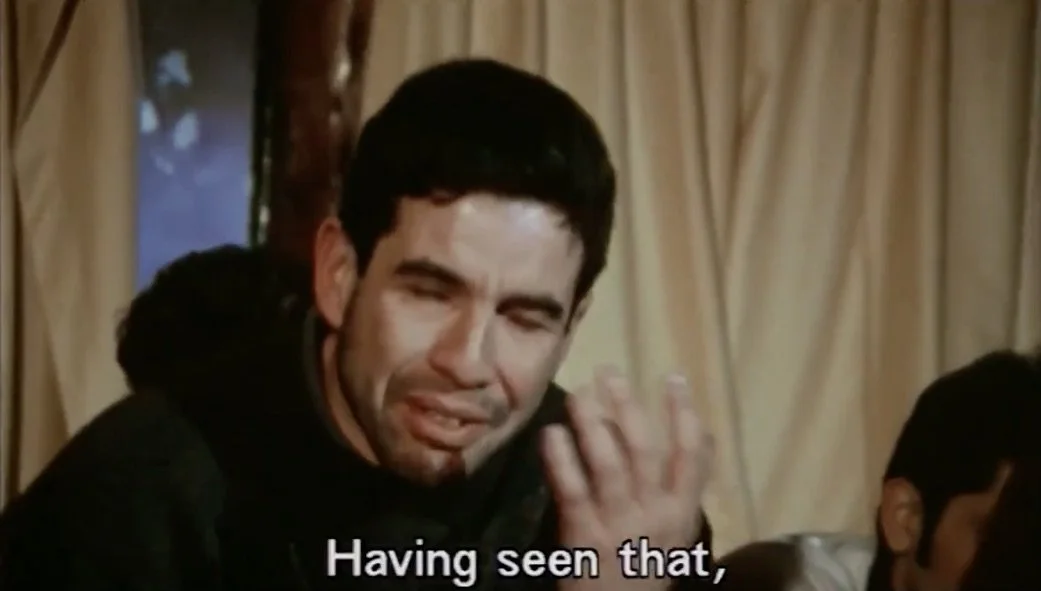
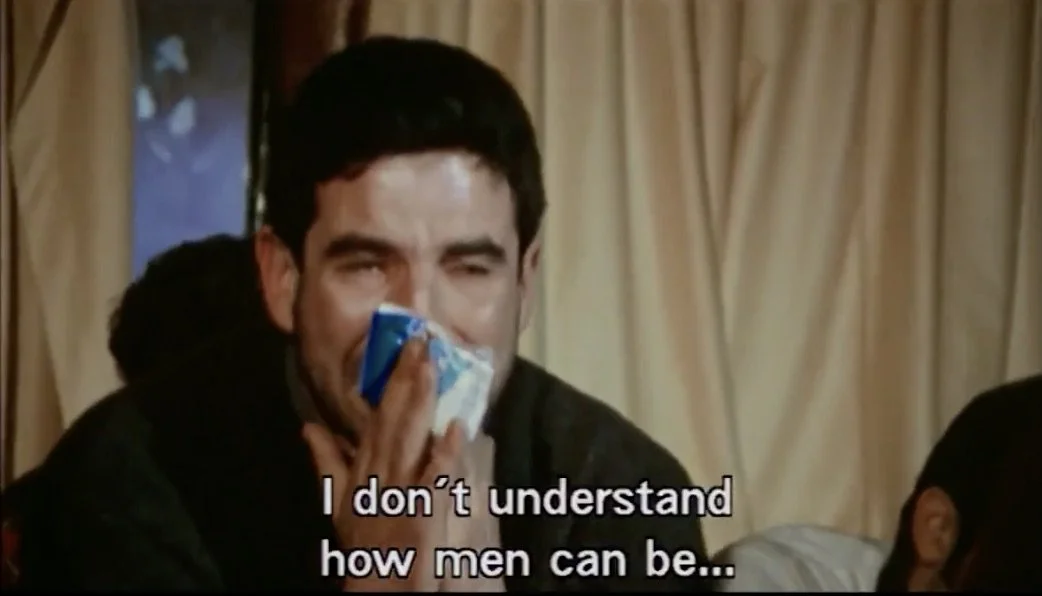
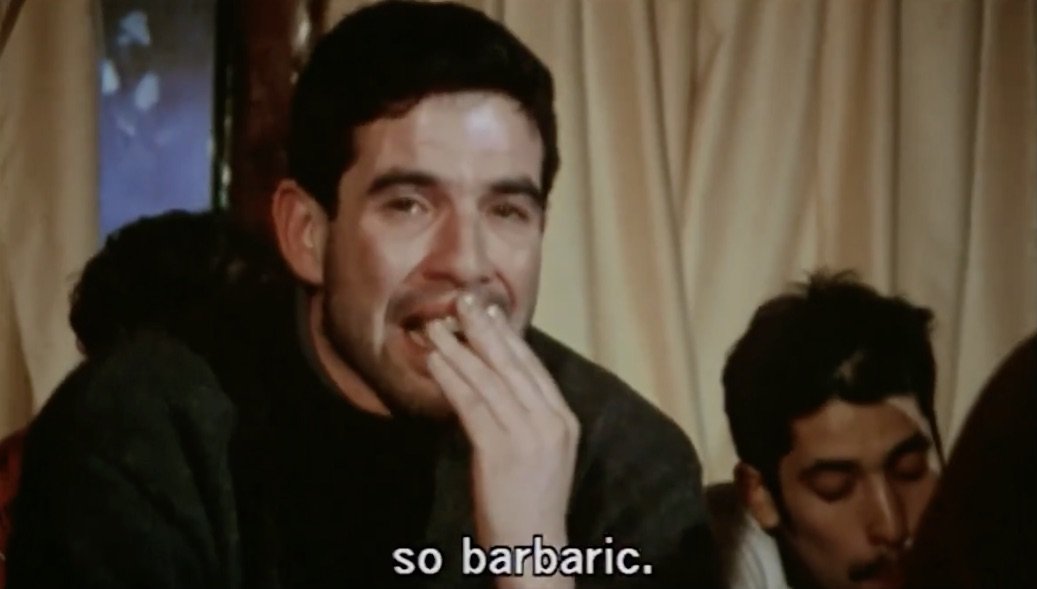
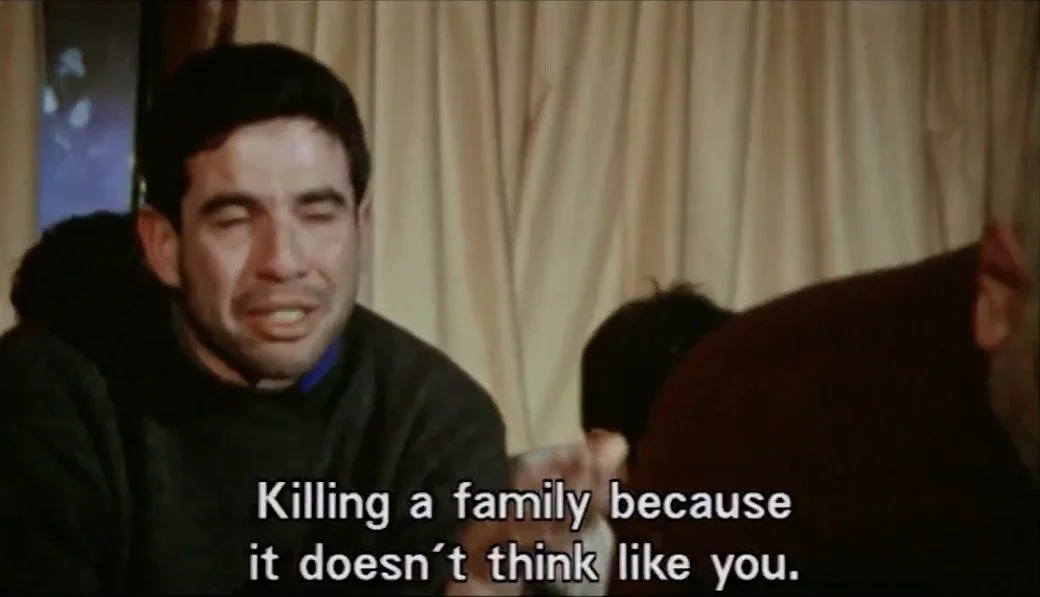
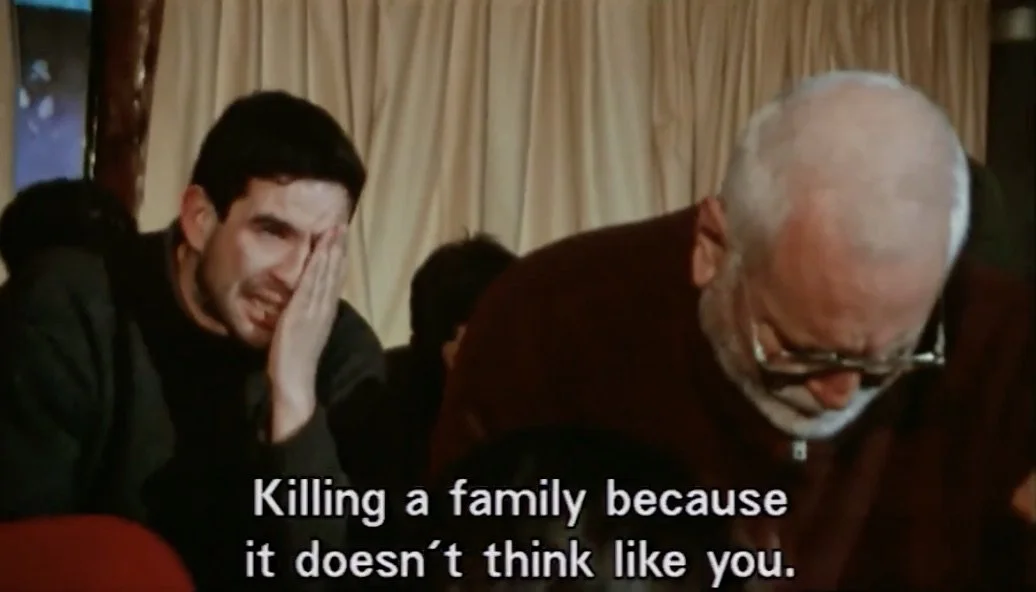
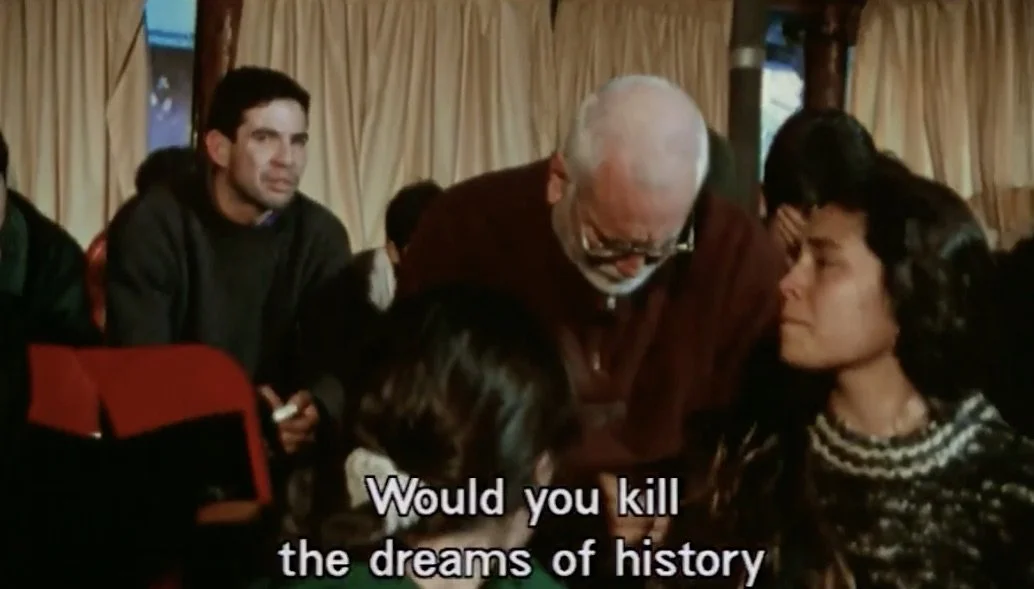
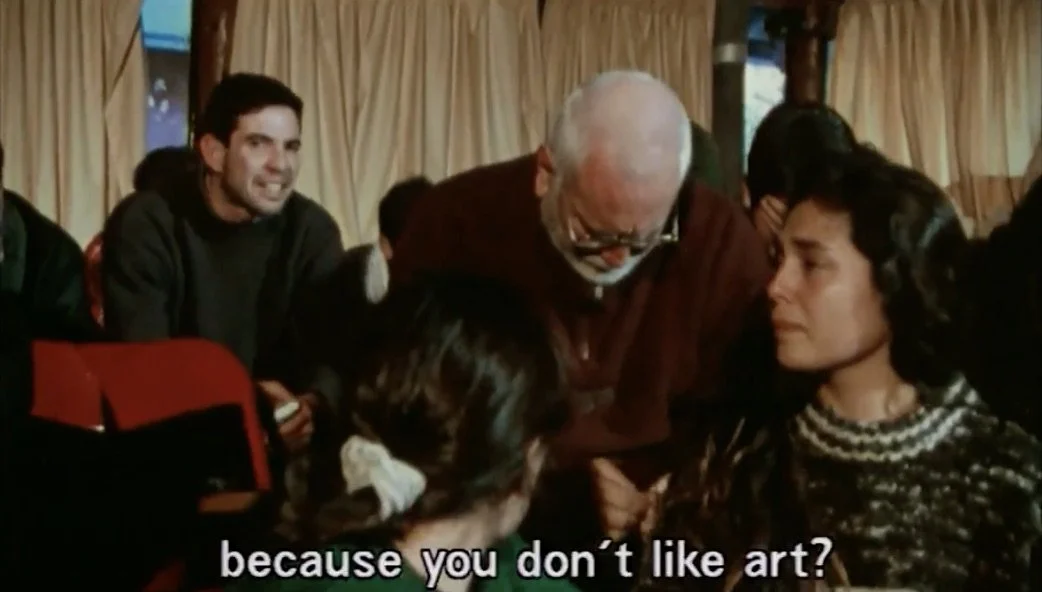
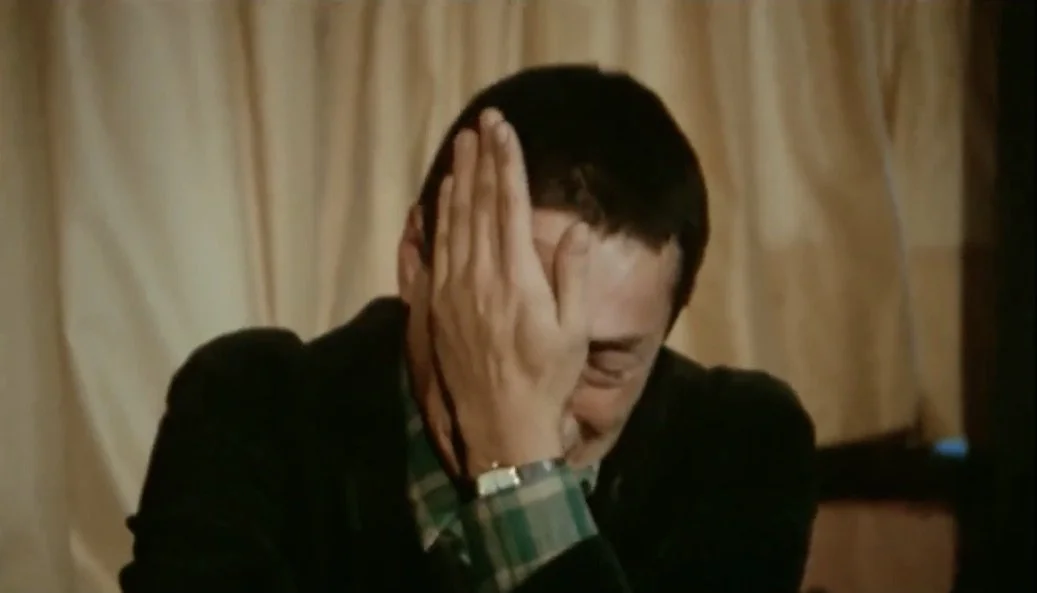
Parts of it are utterly devastating. It is available to watch here: https://www.nfb.ca/film/chile_obstinate_memory/
If you are not familiar with his films, I strongly suggest you read the following and do watch his films wherever you can.
Patricio Guzmán obituary: documentary chronicler of Chile’s turbulent political history by Michael Chanan
“Guzmán’s cinema of truth, which documents the history of Chile since 1970 and maps the universal and continuing relevance of the first 9/11, occupies a special place in the history of documentary cinema. A paradigm of direct cinema as political testimony which morphs into a poetic cinema of melancholy that places the cosmos and human suffering on the scales and finds the indifference of the former outweighed.” — Michael Chanan, BFI
SM: …do you have an overall feeling—positive, negative, neutral—about the ability of documentary filmmakers to effect political change today?
PG: I think my outlook is optimistic. More critical documentaries are being made, but also it’s easier to make fiction films which question the political and economic structures of the world. So I do have optimism.
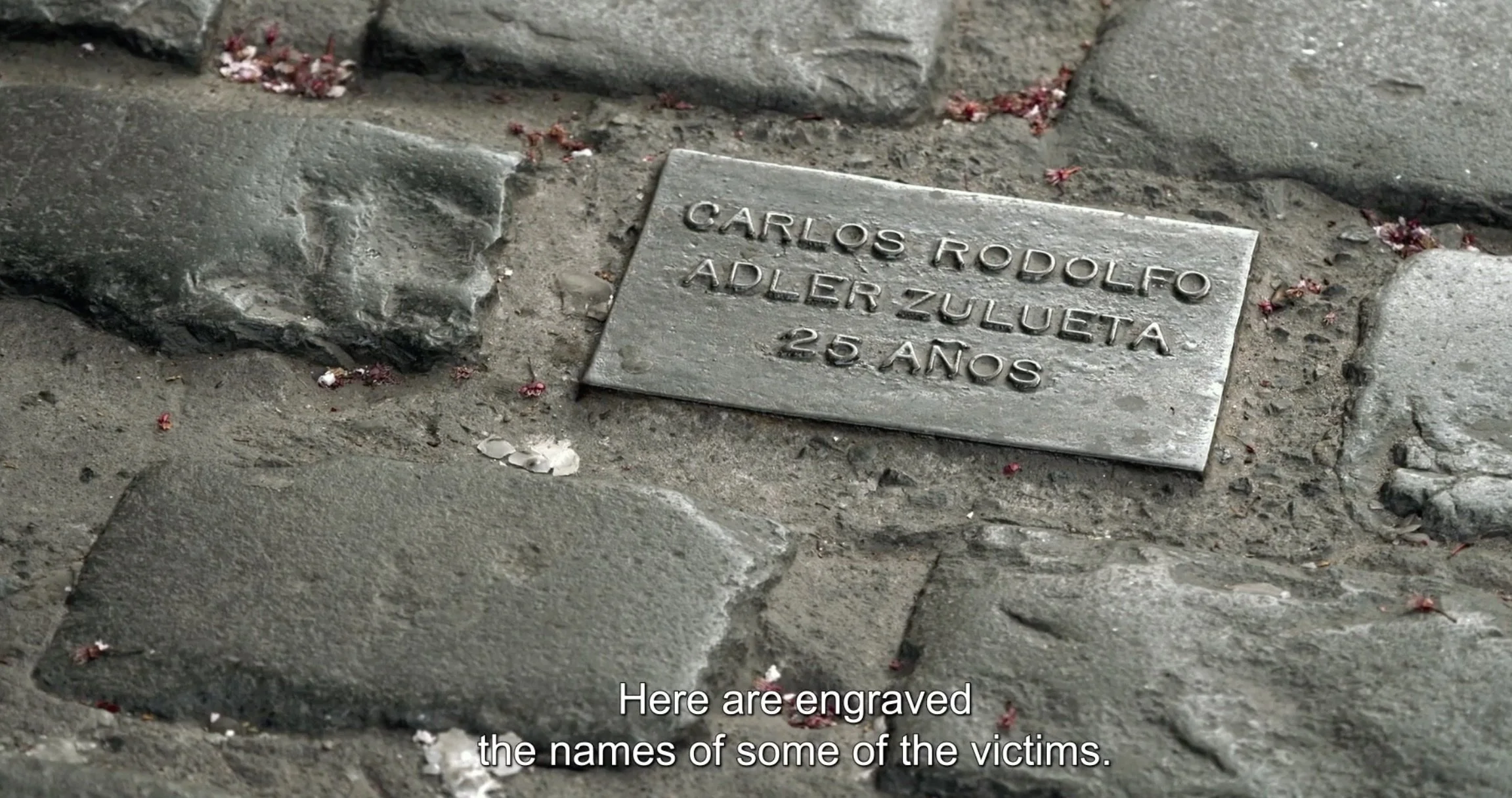
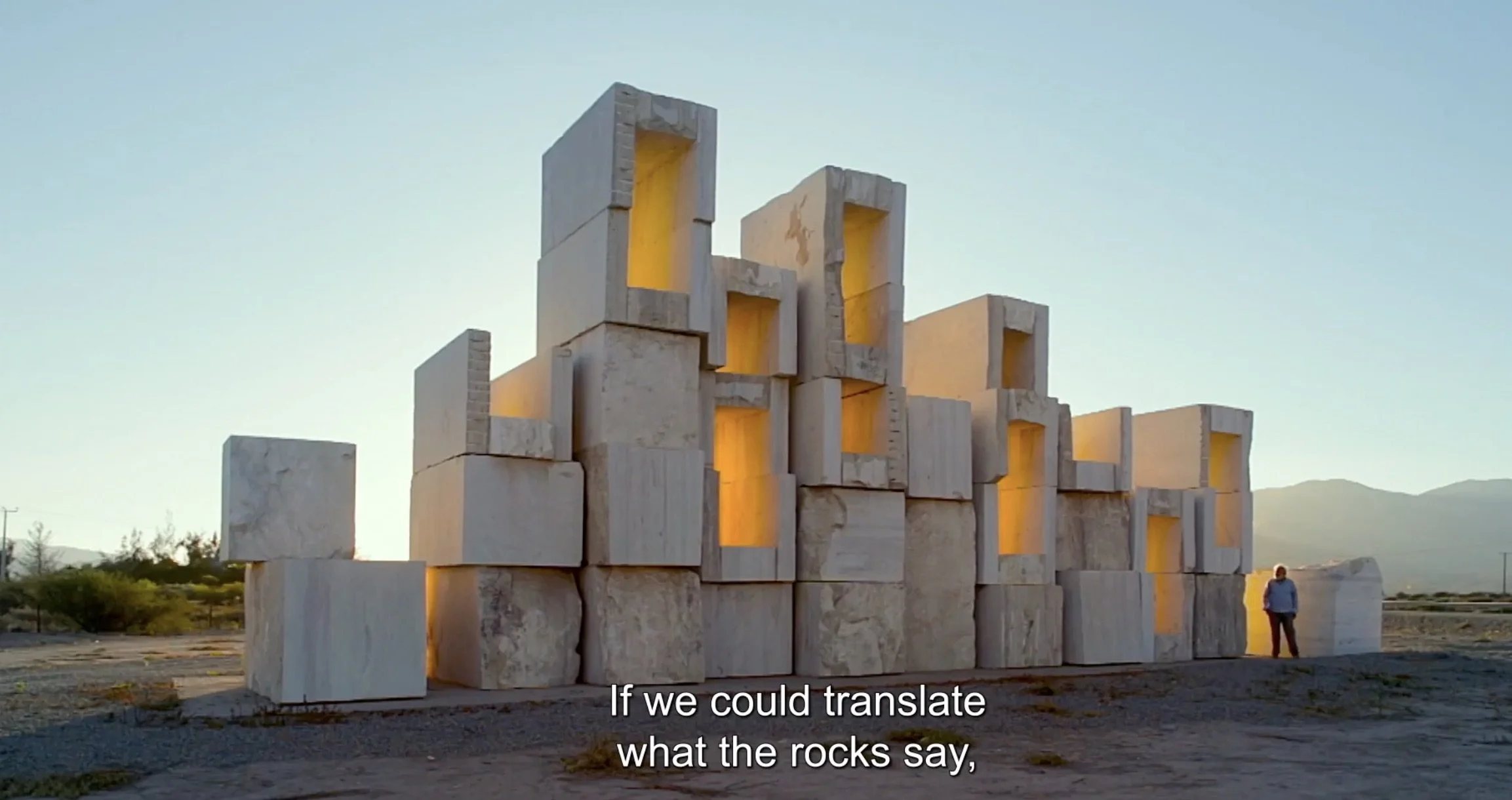
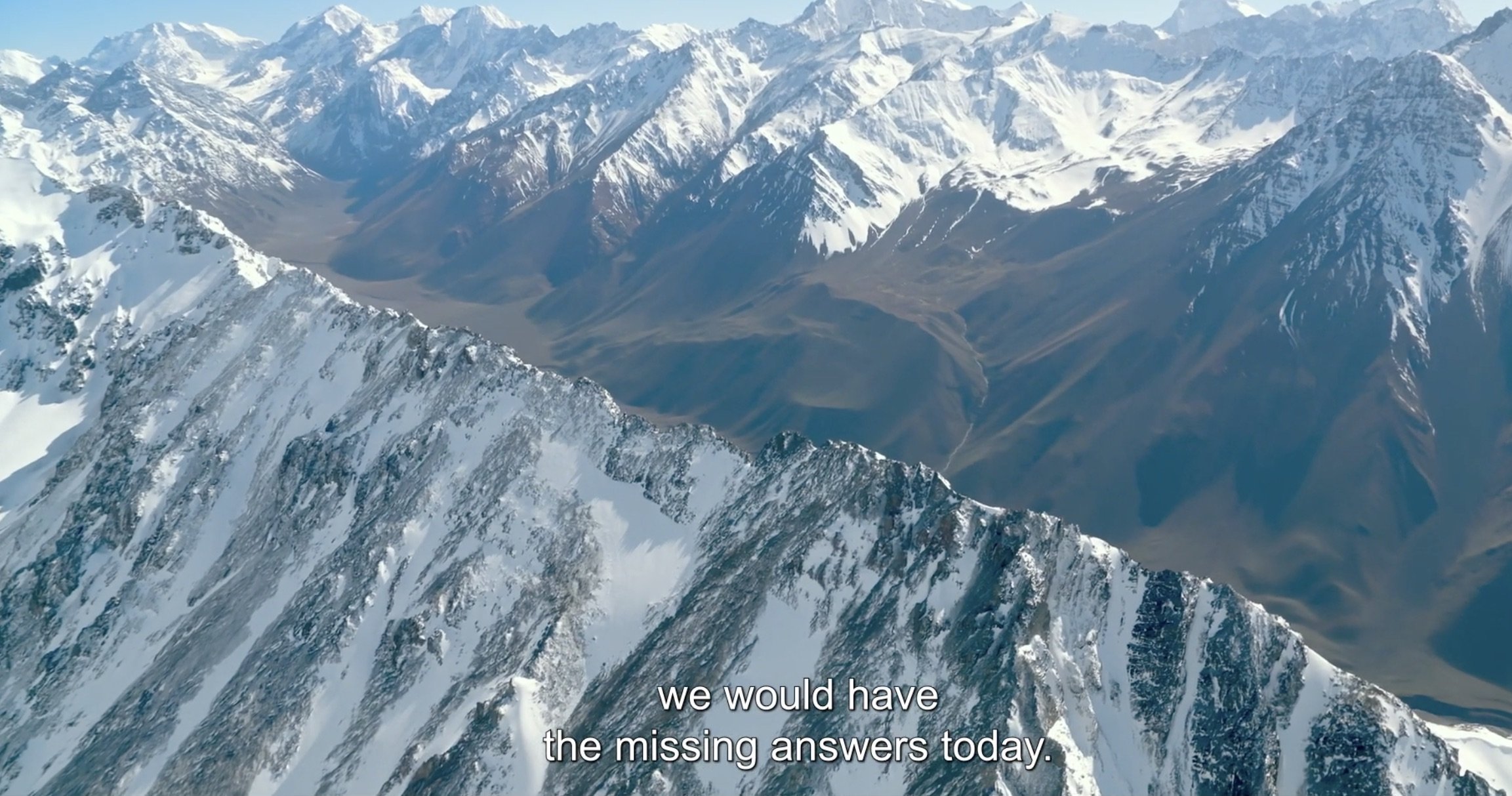
The following are stills from his masterpiece trilogy about Chile and the lasting impact of Pinochet's coup d'etat, and links to read about each one.
Nostalgia for the Light (2010)
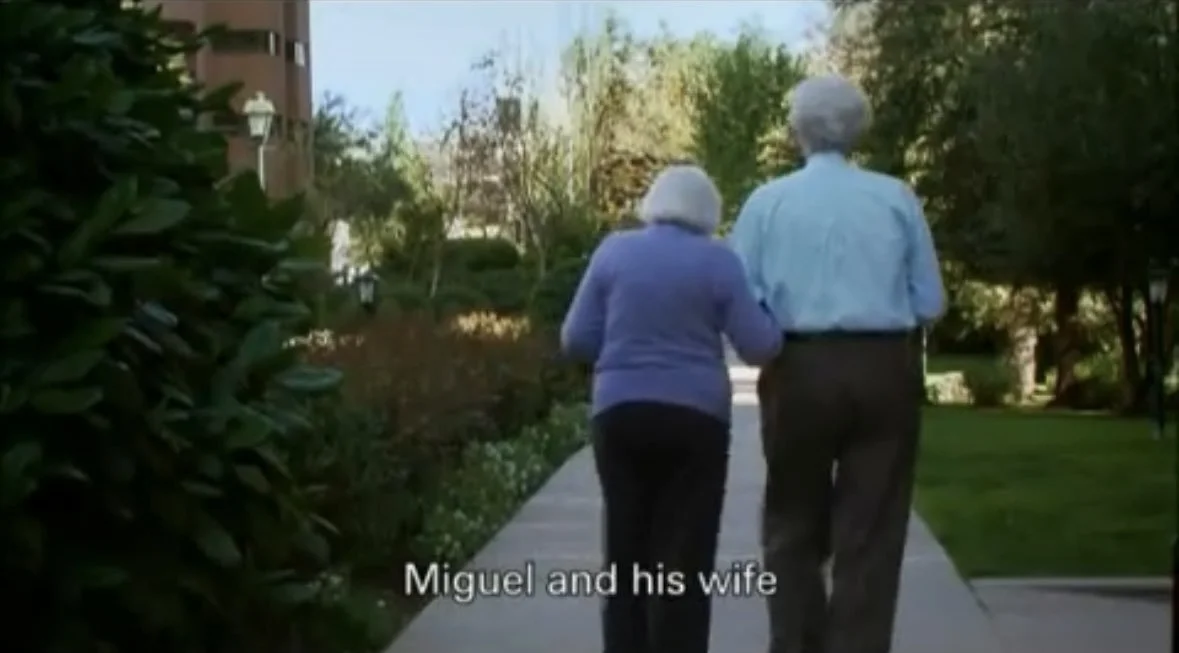
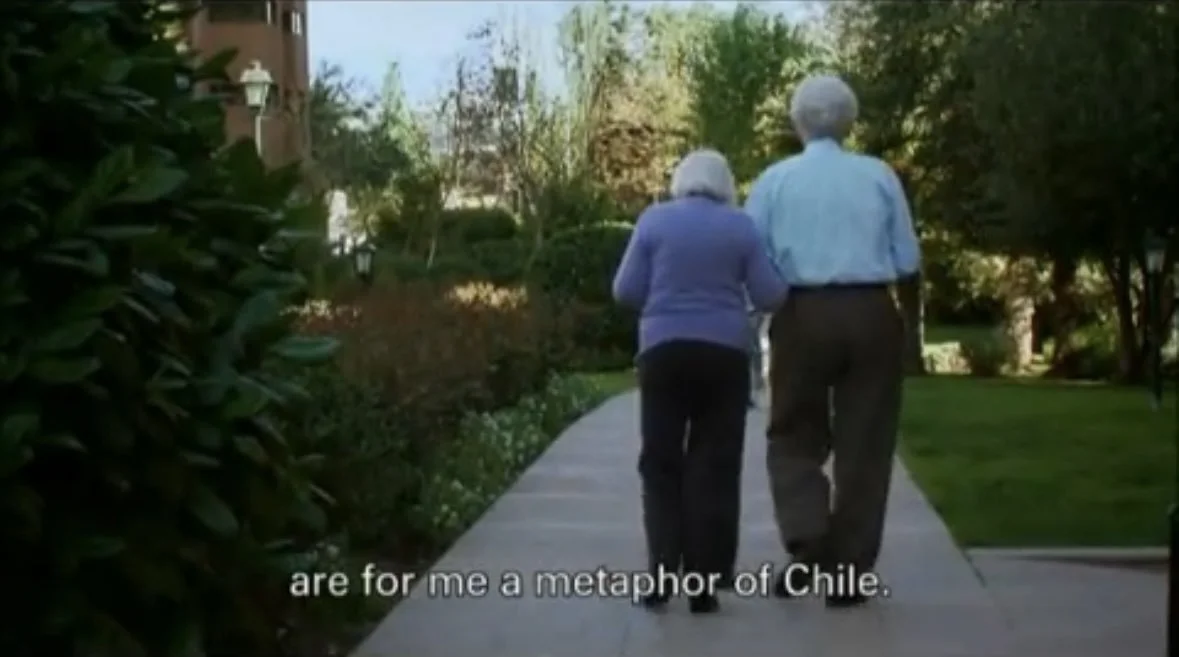
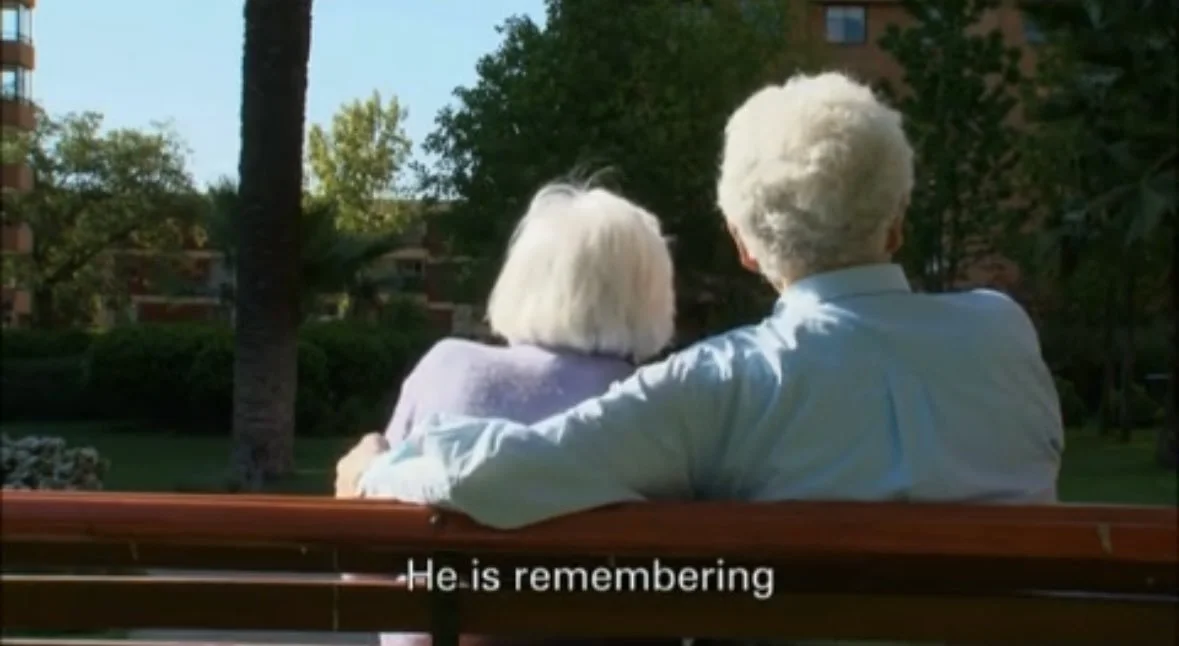
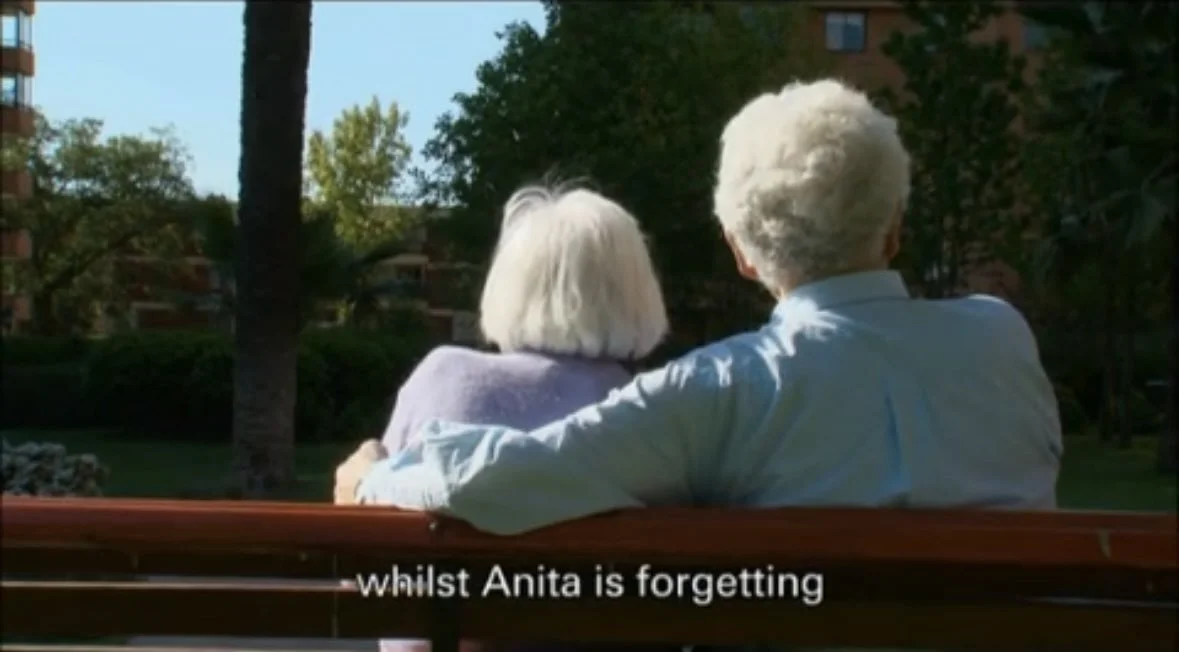
NOTEBOOK: Your documentary Nostalgia for the Light is so richly layered that in our conversation today we're going to be hard-pressed to fully explore its depths; but, we'll try. In a recent conversation with José Luis Guerín we pursued his statement that without memory, cinema suffers. Can you speak to your thoughts on the role of memory in cinema?
PATRICIO GUZMÁN: Memory has a gravitational force. Cinema suffers without memory in the same way that history suffers without memory. Science would also suffer without memory. The human race suffers. The absence of memory produces a global suffering.
The Pearl Button (2015)
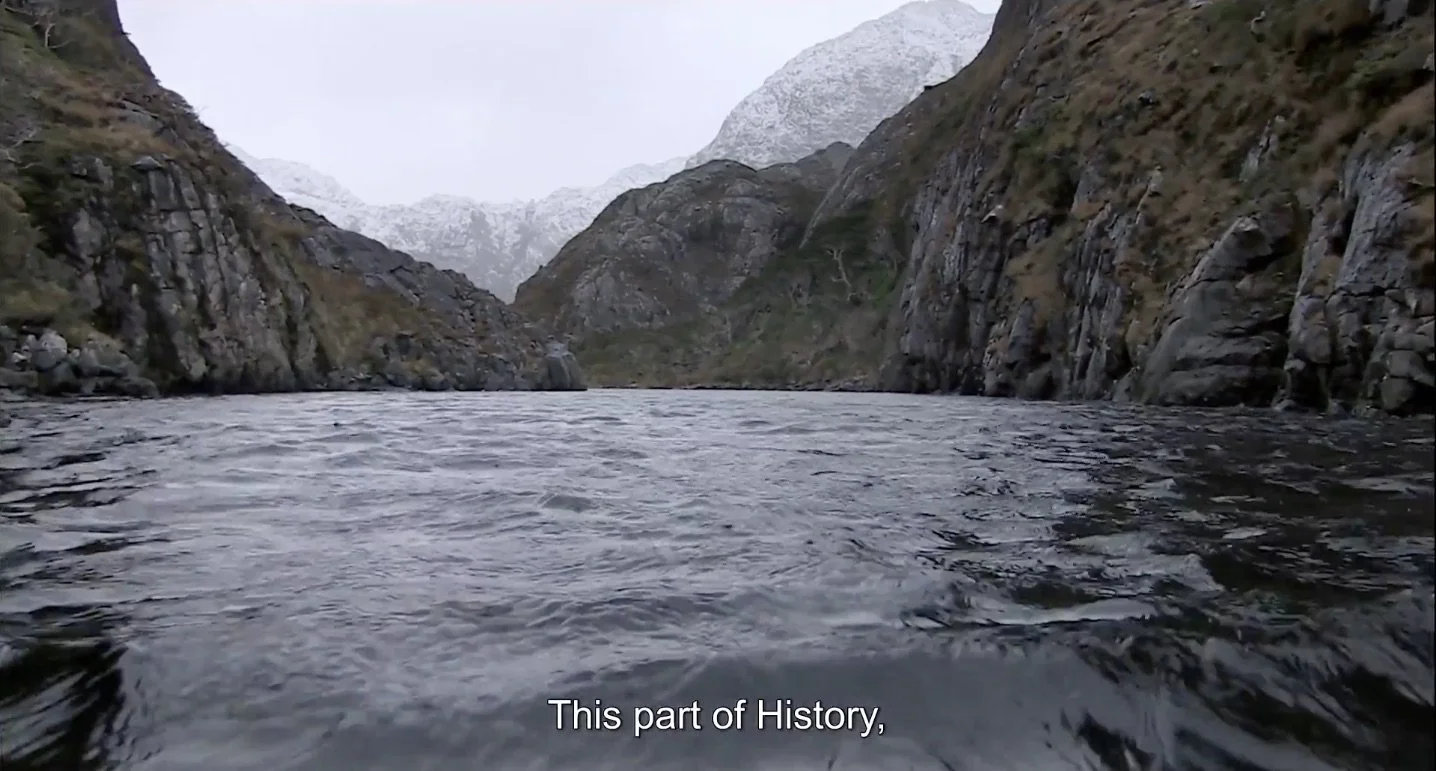
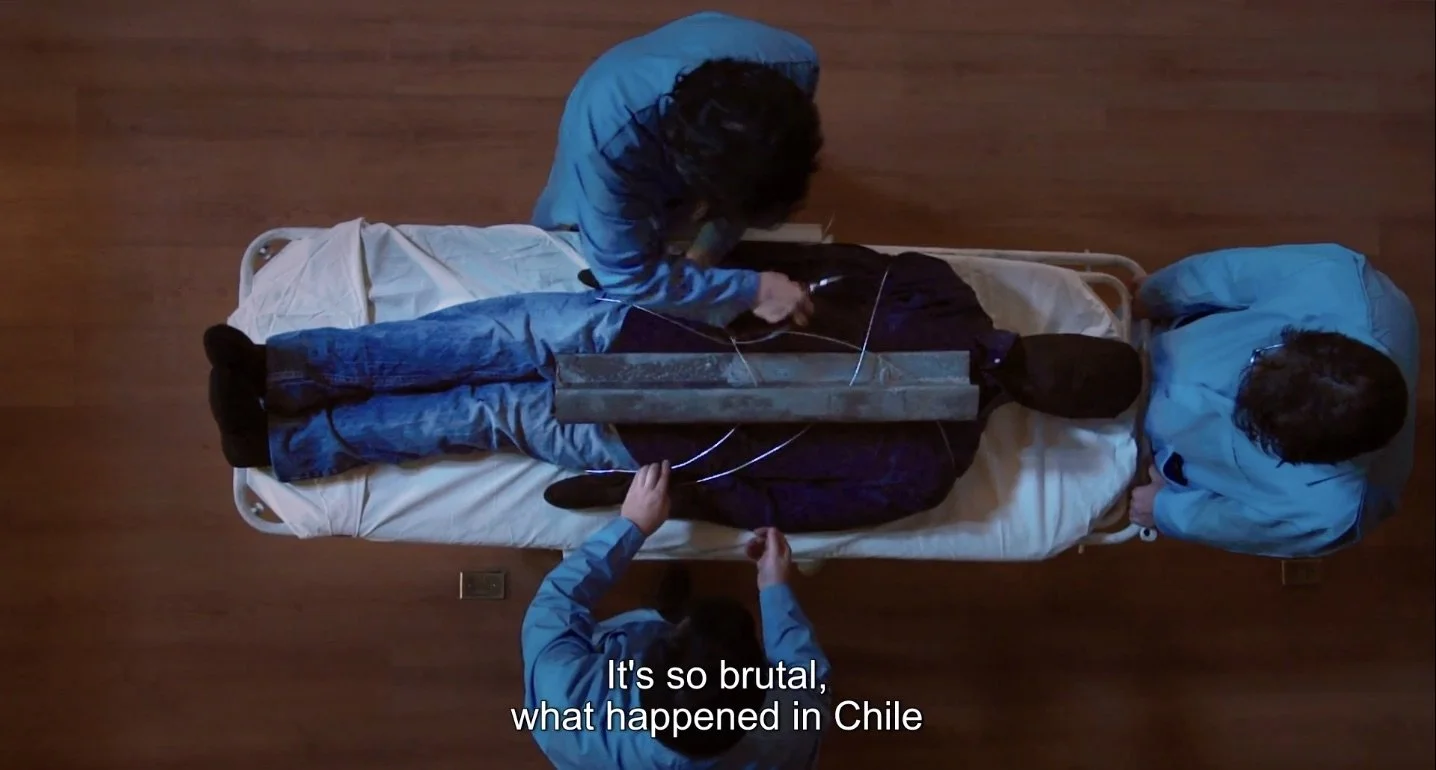
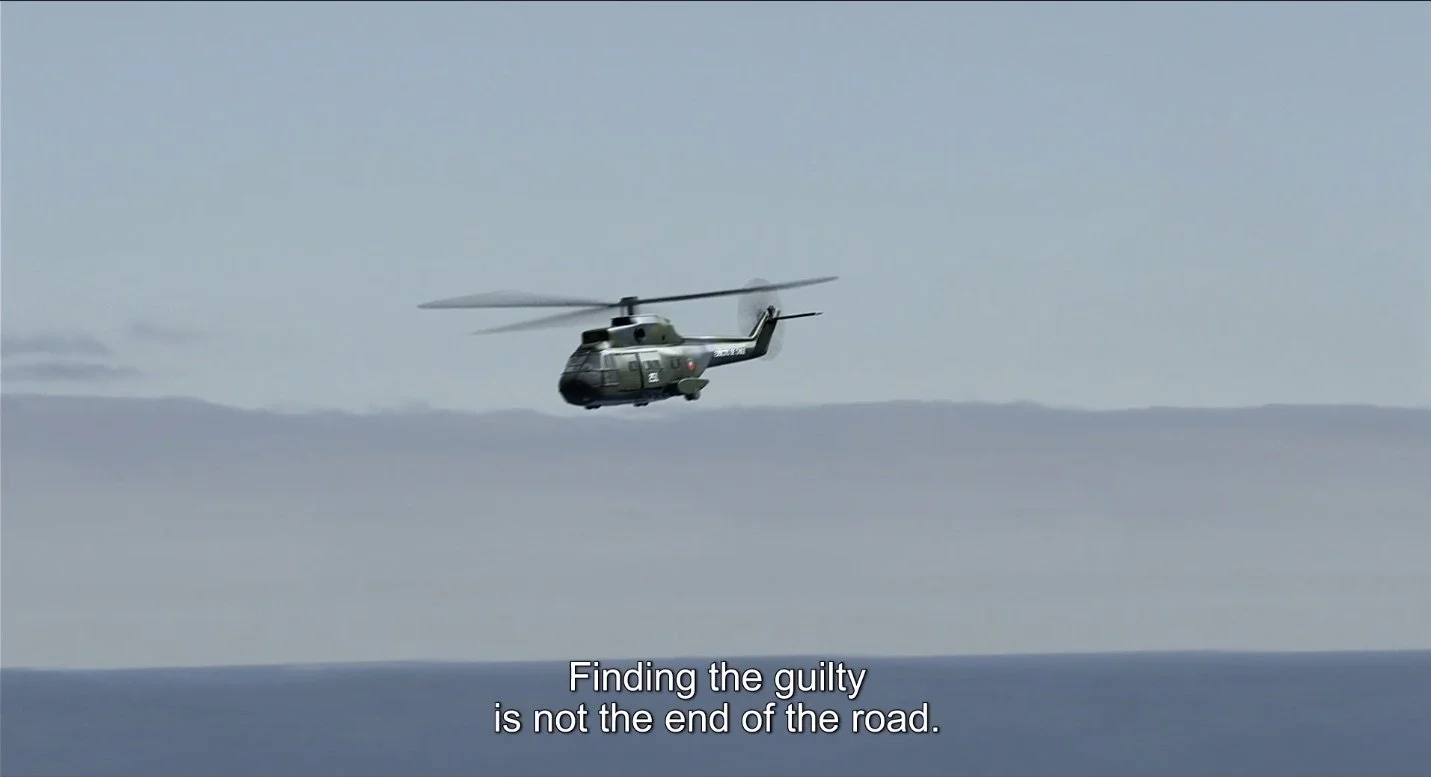
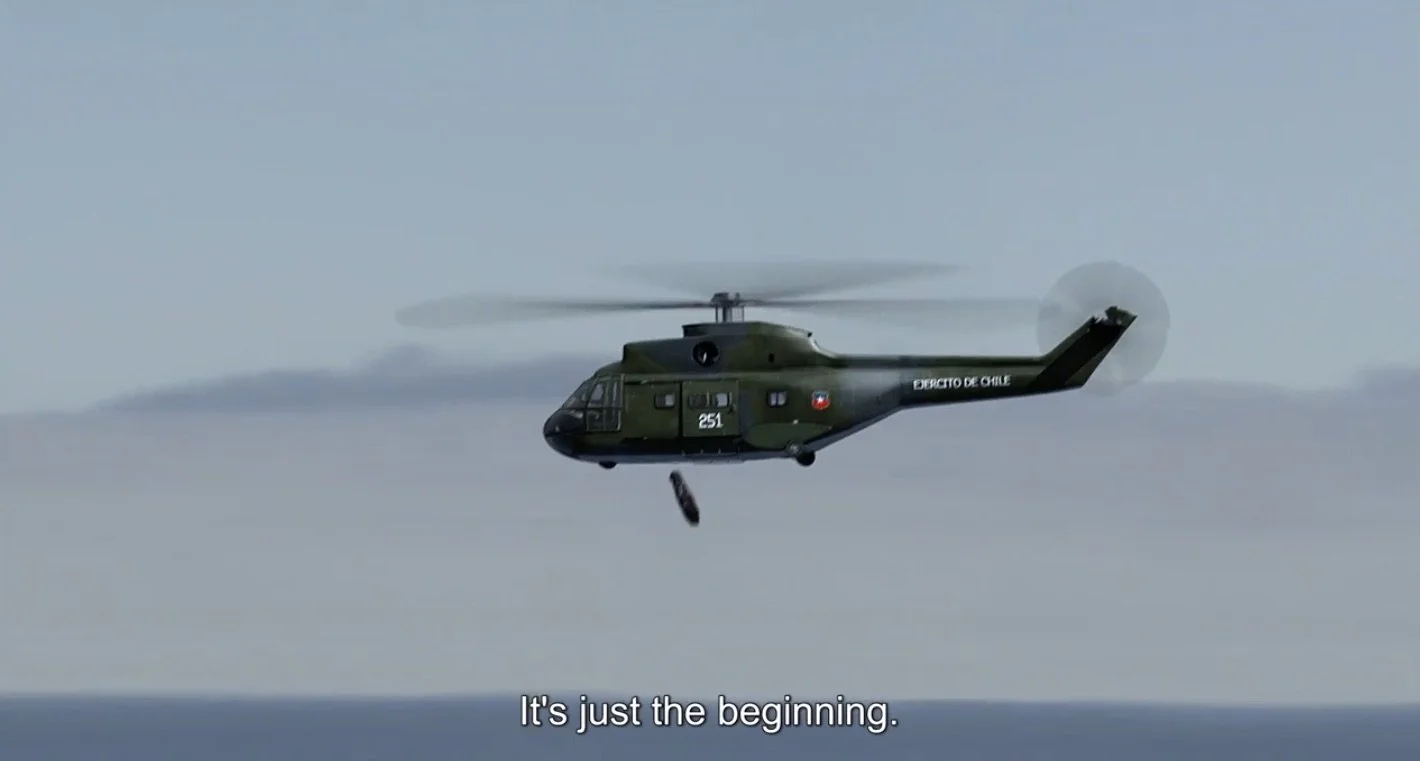
“Water has witnessed Chile’s earliest civilizations, its genocides, its tortures, and its rapes. Against its will, water has swallowed whole children, parents, lovers, and entire futures thrown into the sea from military helicopters. Water is a giver of life but also a mass grave, a concealer of crimes. Maybe it is our all-too-human perspectives that disguise truth and prevent comprehension. We talk often about the need to see things from another person’s perspective, but in the most difficult scenarios, when truth is fleeting or under siege, maybe that person need not be human.”
The Cordillera of Dreams (2019)
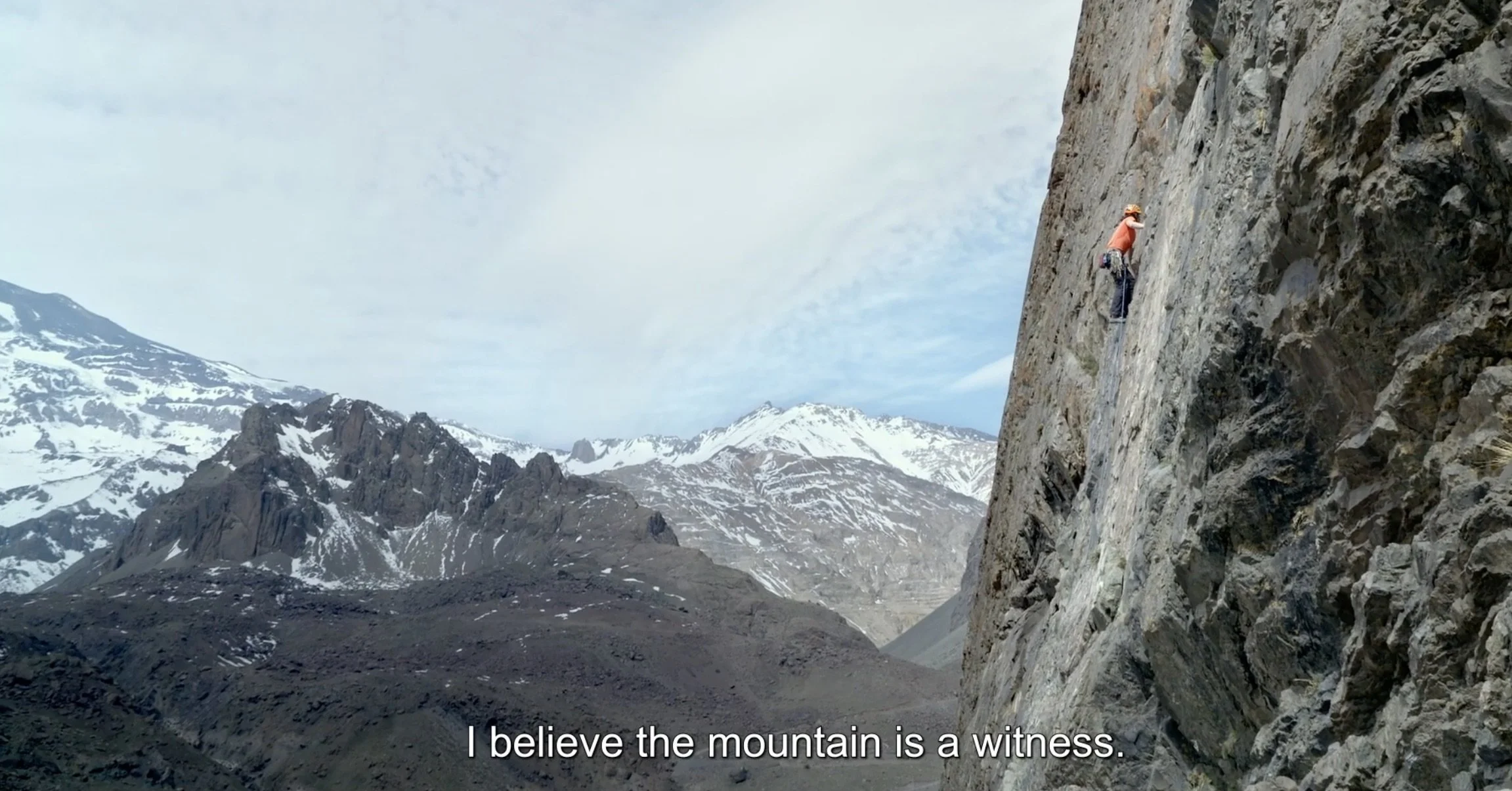
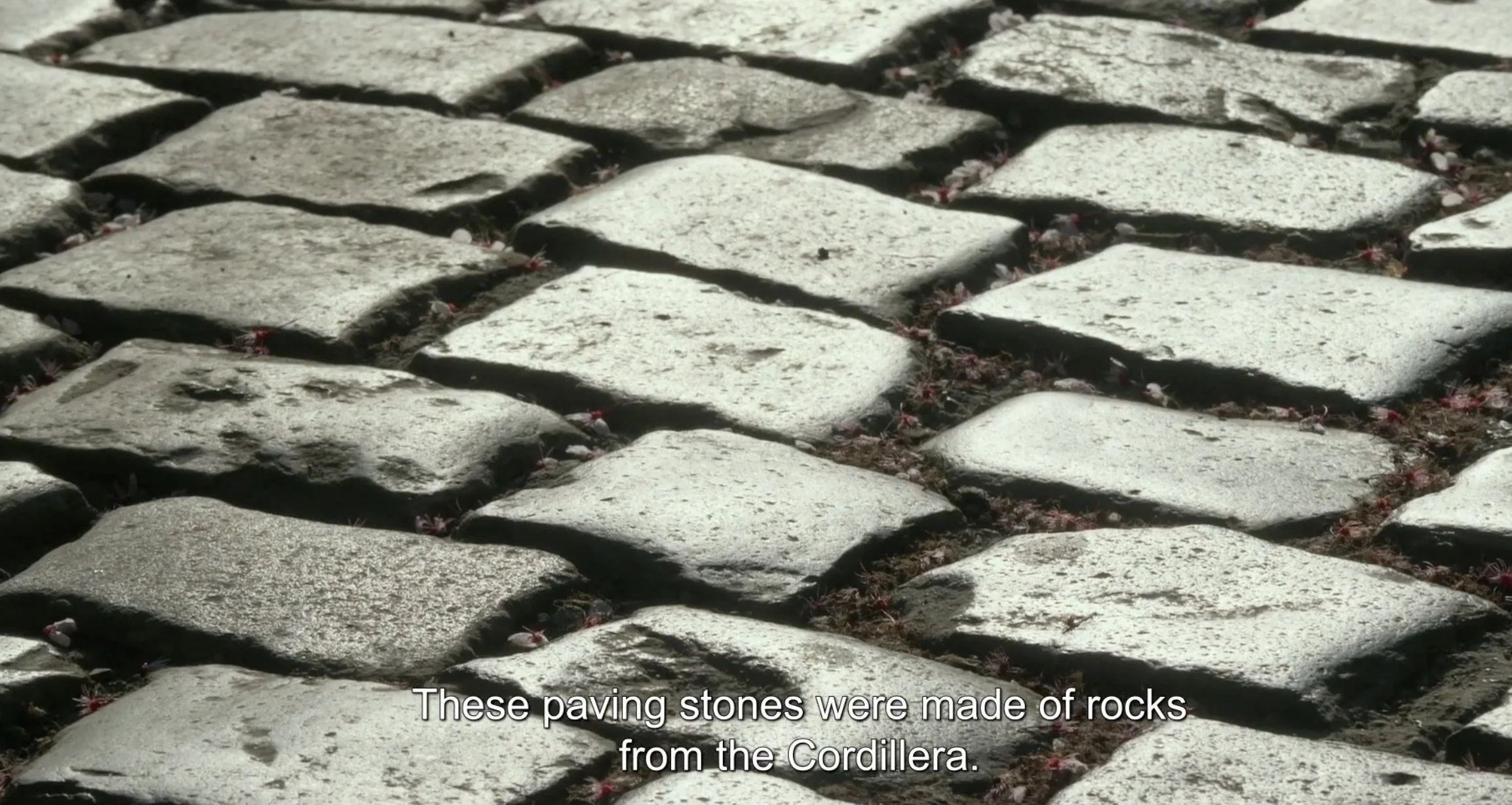
NOTEBOOK: How do you think people can address those invisible stories through filmmaking going forward? There’s so much history to recount, so many sinister moments that lie underneath… moments of absence that have been written over.
GUZMÁN: It’s a good question, as it has never been solved. Documentary filmmaking has limitations. One can get close with testimonies, those of people who have gone through torture that can recount it. You can approach it that way, and it’s always symbolic. You never see torture, and I don’t know if that would be the best because it is too brutal—you’d have to do another kind of operation to show it. Claude Lanzmann does this in Shoah. There are long testimonies of what it was like, and those are quite extraordinary