
IFFR 2026 Roundup
What stood out the most for me at this year’s edition of IFFR were the “IFFR Audience Hot Takes” I saw on the cinema screens before the films started. Festival audiences were invited to submit their “Hot Takes” on IFFR’s Instagram stories for the chance to be displayed on the big screen.
I attended 6 days of the festival and during those days, these were the takes I saw. Made me wonder if the person in charge of IFFR’s social media or making the selection watches films or even likes them. “We should normalise eating smelly, hot food in the cinema.” isn’t the most encouraging film festival take.
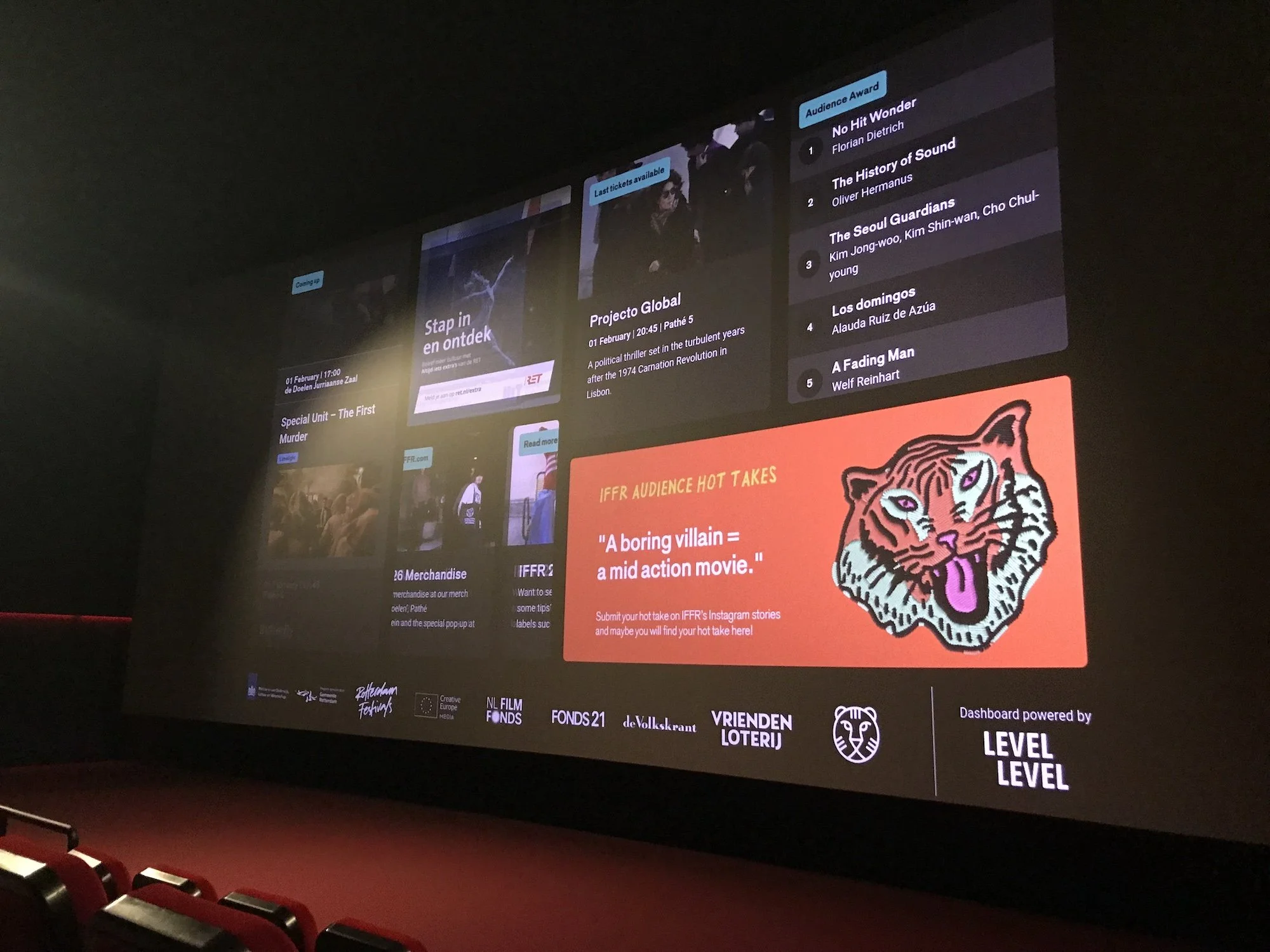
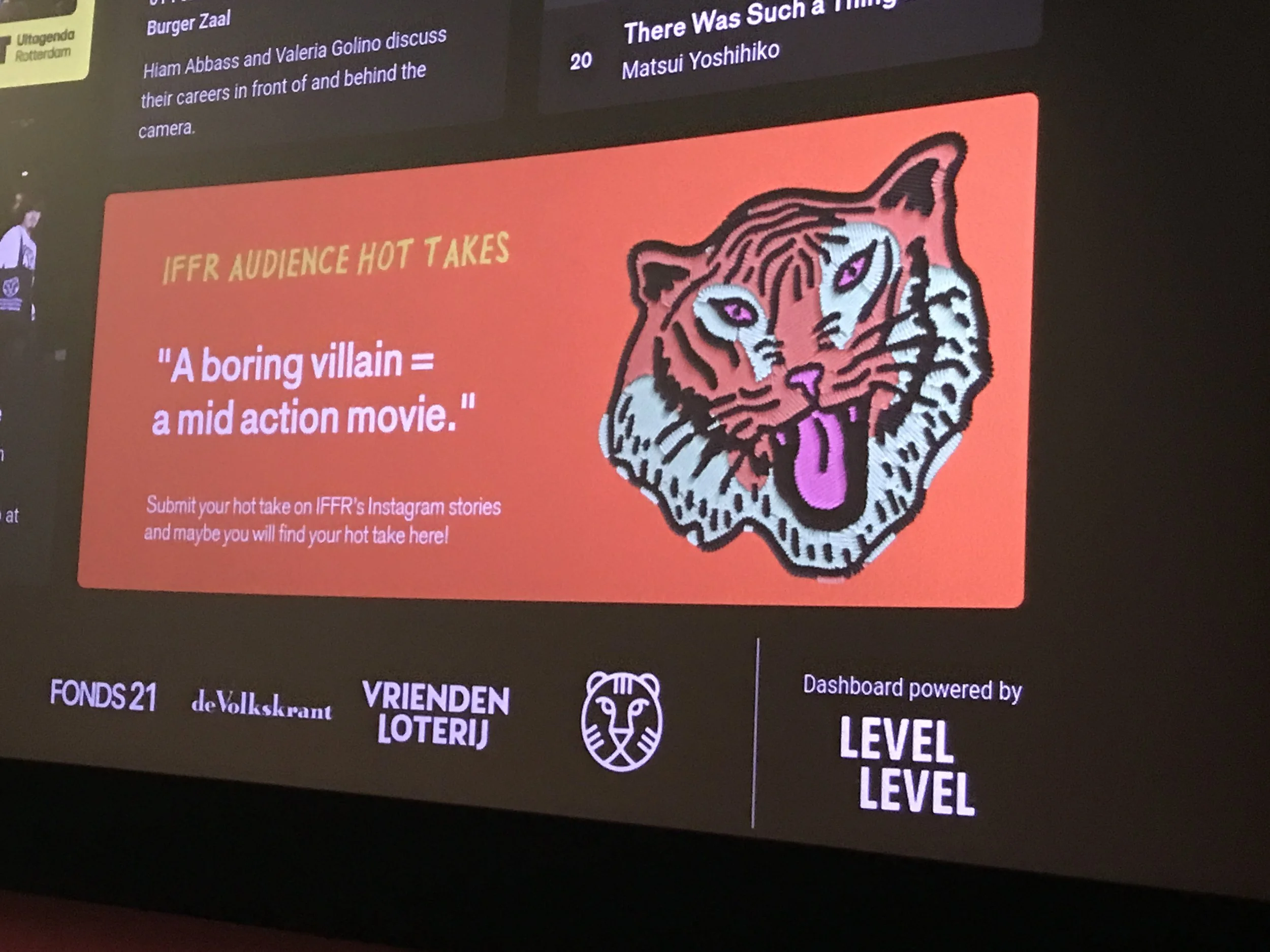
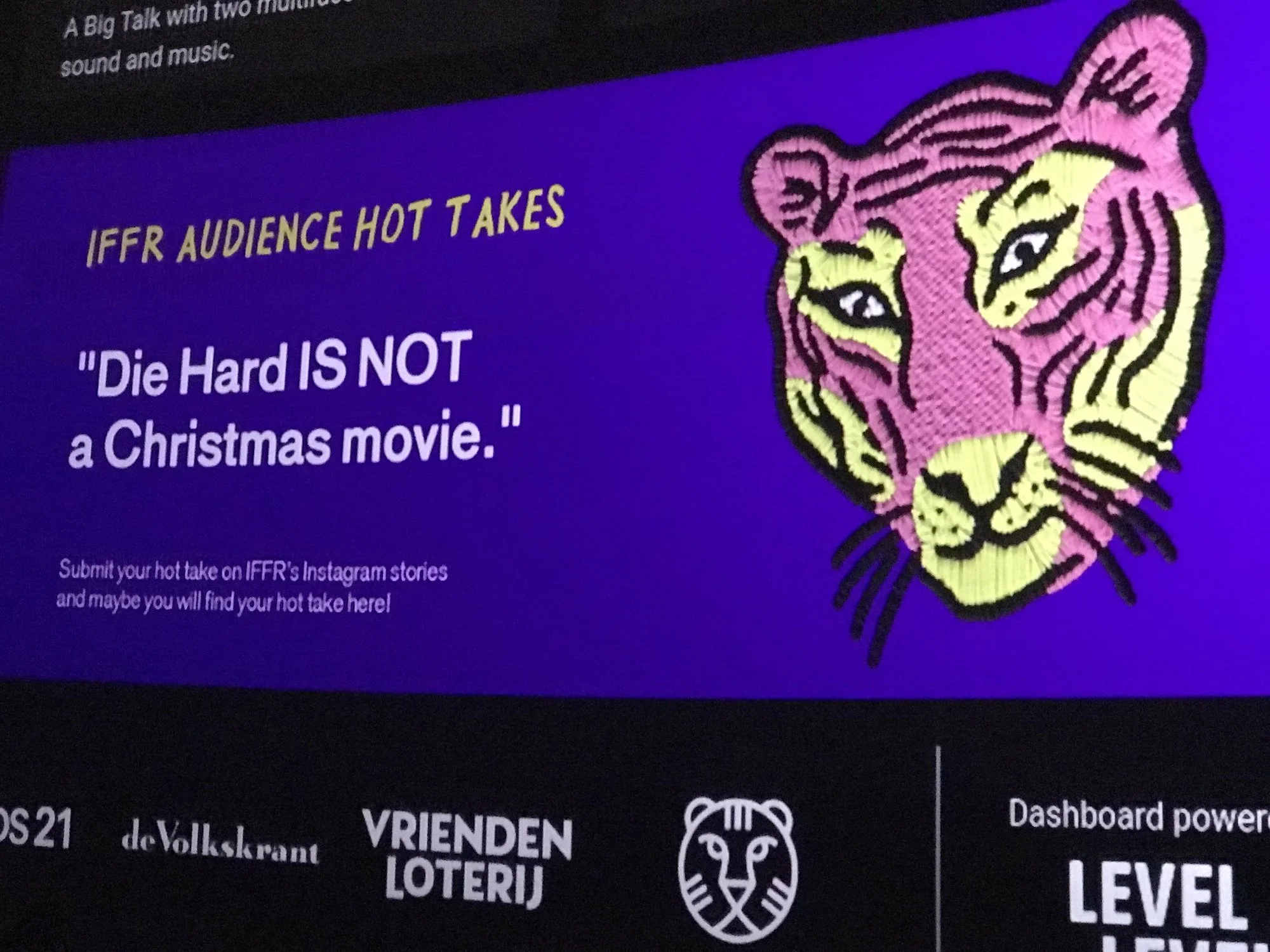
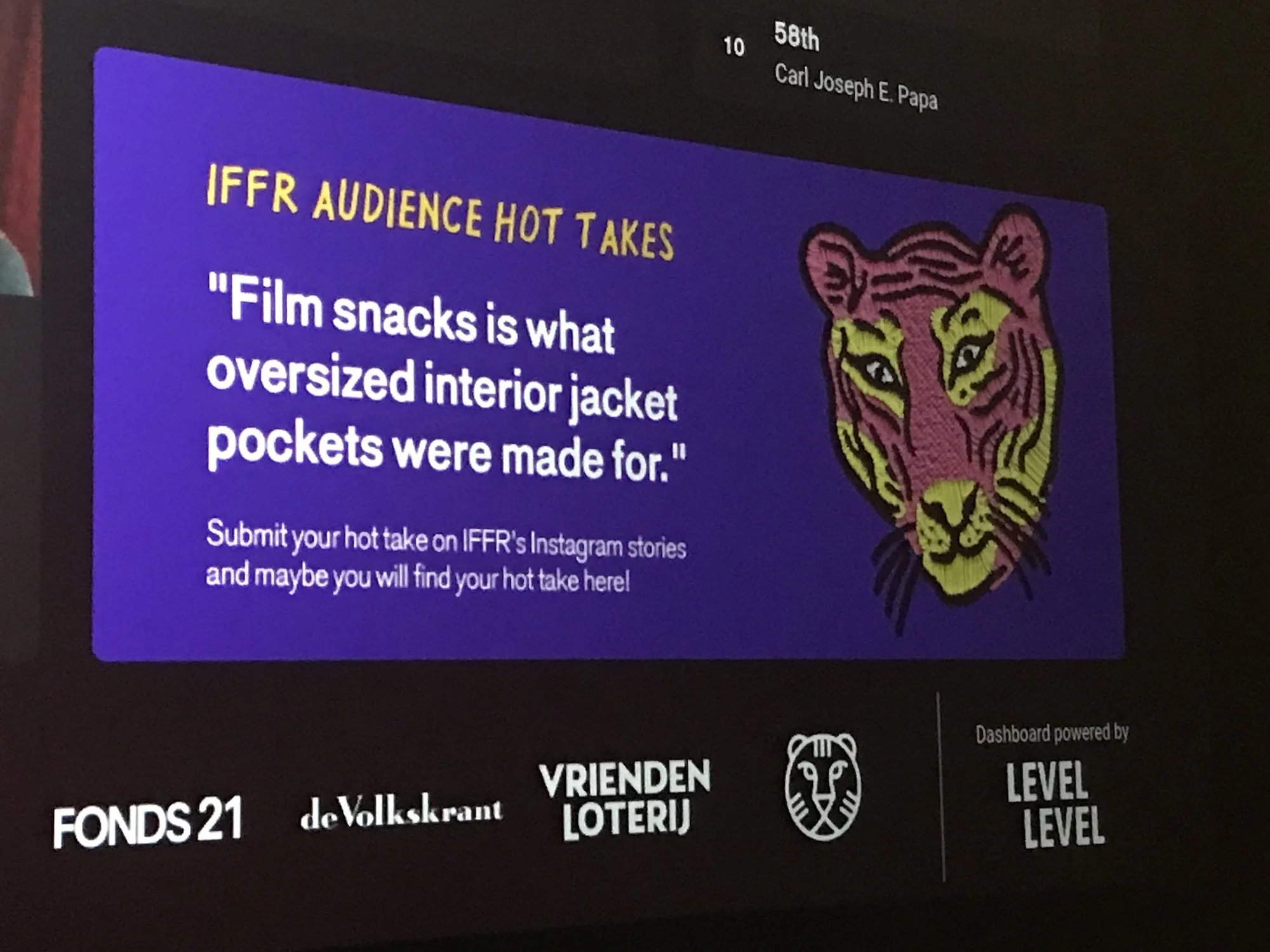
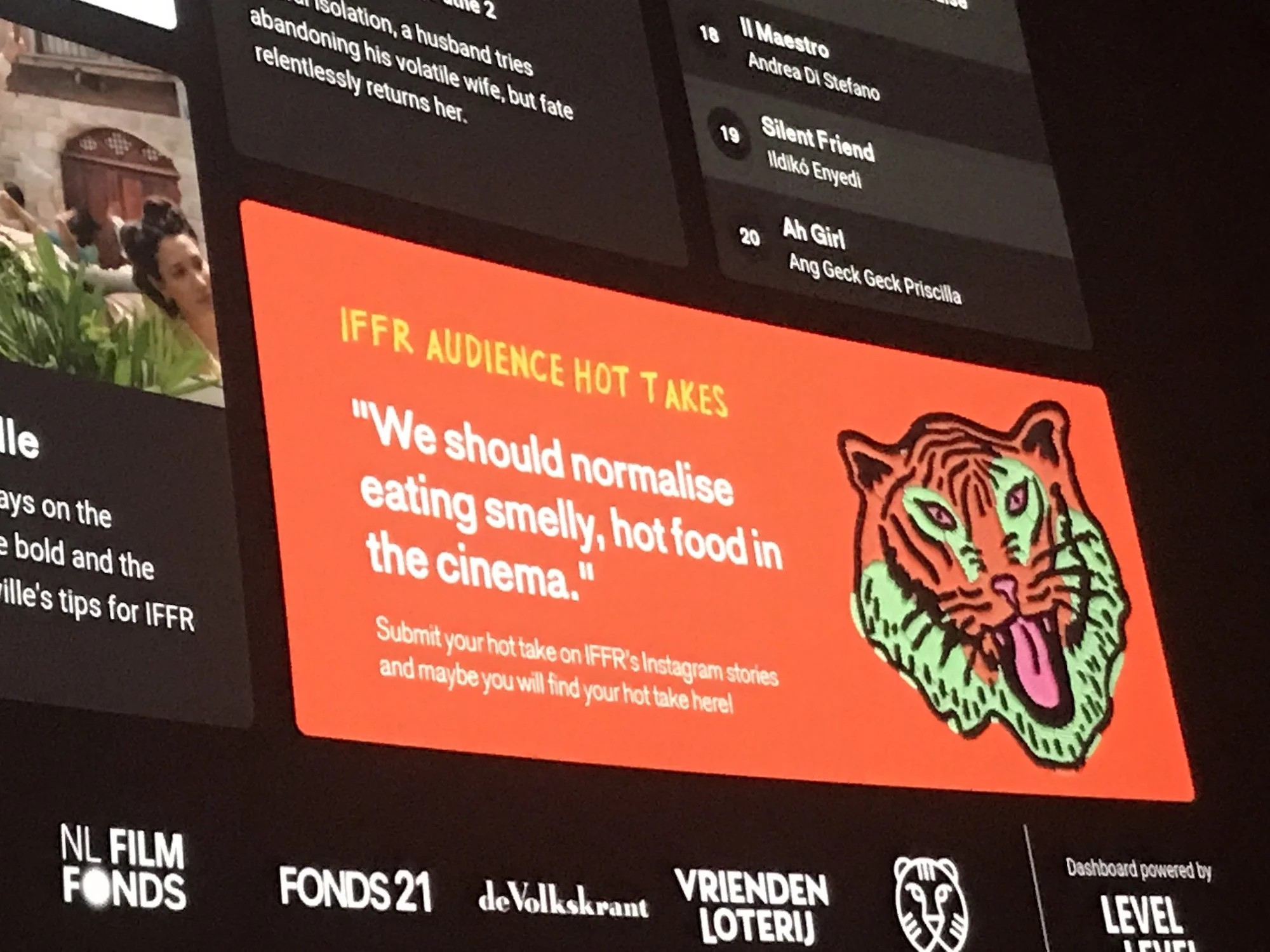
Luckily, I didn’t smell any food during film screenings I attended, but on a couple of occasions I did ask people next to me or in front of me to put away their phones.
Like last year, the festival line up was excessive, and sadly I watched more misses and less hits.
Here are my highlights.
REP SCREENINGS:
The Yacoubian Building (Marwan Hamed, 2006)
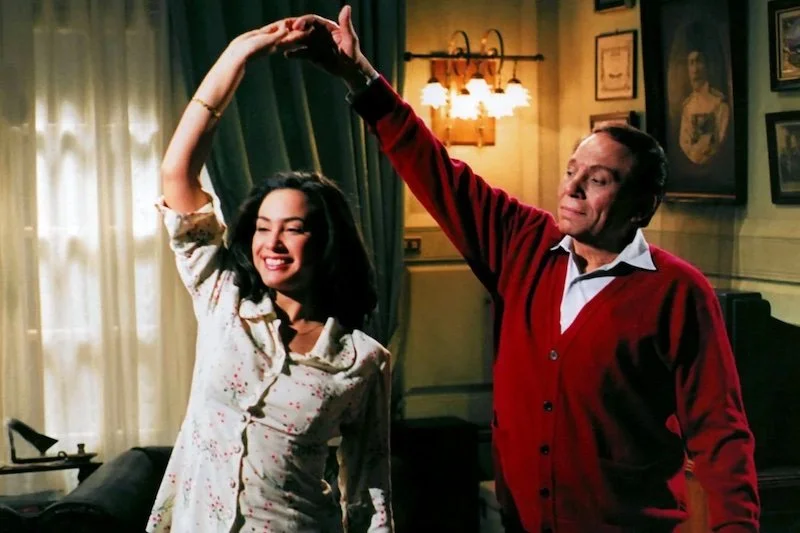
After only watching it aired on TV (or maybe it was on VHS) many years ago, I was looking forward to watching The Yacoubian Building on the big screen. It was part of the festival's focus on films by Marwan Hamed. A damning portrayal of Cairo and Egyptian society during the Mubarak years depicted through different residents in one building - with a great cast, including some of the biggest names in Egyptian cinema - Adel Emam, Nour El-Sherif, Yousra, Issad Younis.
Sadly, the screening quality was poor, it looked like a mid-low quality version found on YouTube, and the English subtitles had so many spelling mistakes.
Nevertheless, I was happy to watch it because I know a film like this would never be funded or made today in Egypt. It is in 100 films - and in my opinion should be restored.
The Trouble with Angels (Ida Lupino, 1966)
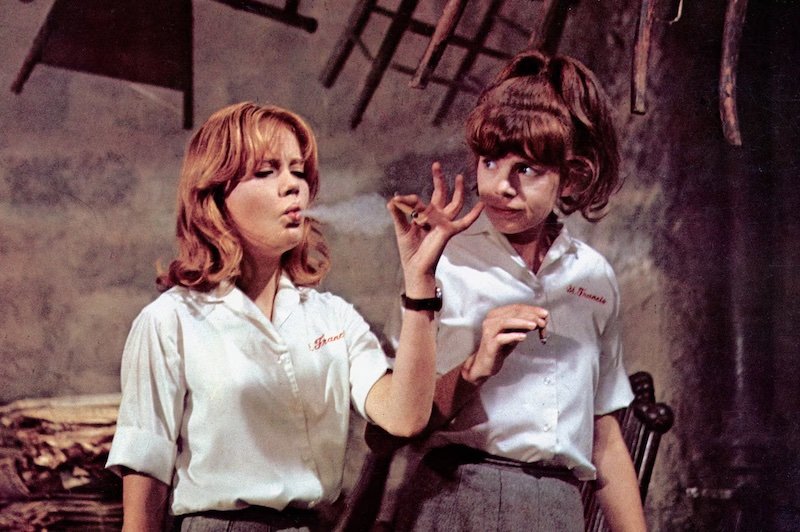
Another rewatch but first time on the big screen. What starts off as a lighthearted film about mischievous and rebellious teens - Mary (Hayley Mills) and Rachel (June Harding) in an all-girls Catholic school, turns into a moving film about friendship, coming of age, and guidance from a very caringReverend Mother (Rosalind Russell). Last time I saw Hayley Mills in a film was in 2024 as Dr Josephine Grant in M Night Shymalan’s Trap.
Who Killed Teddy Bear (Joseph Cates, 1965)
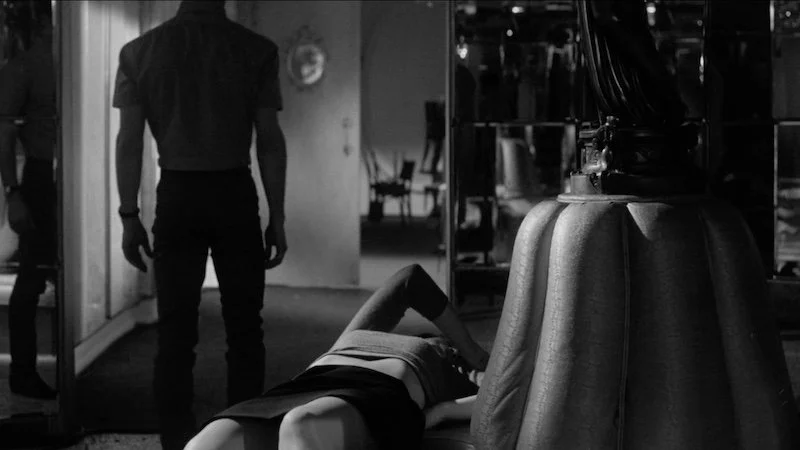
A dark and eerie film about a stalker and killer set in New York, and also an interesting record of what Times Square and Broadway Street looked at the time with all the X-rated cinemas. and what nightclubs were like at the time. An explicit film for its time because of the characters depicted in it, including sexual obsessions and violence caused by childhood trauma.
Tracing to Expo ’70 (Liao Hsiang-Hsiung, 1970)
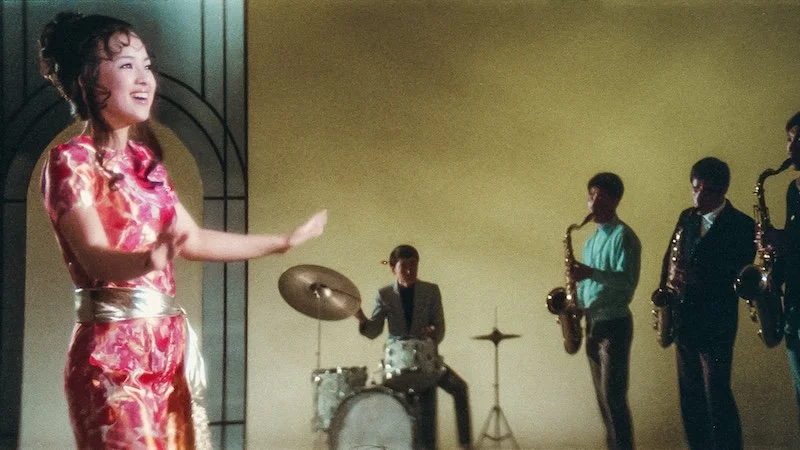
This is three different films in one. A musical, a celebration of modernity and technology set against the 1970 Osaka Expo, and a family drama based on consequences that go back to World War II.
The musical at the start was delightful, especially Judy Ongg singing "I'll Never Fall in Love Again".
The film was introduced by the curator of the festival’s rep screenings, but I wish someone with better historical knowledge of Japan and Taiwan introduced the film for better political and social context.
SHORT FILMS:
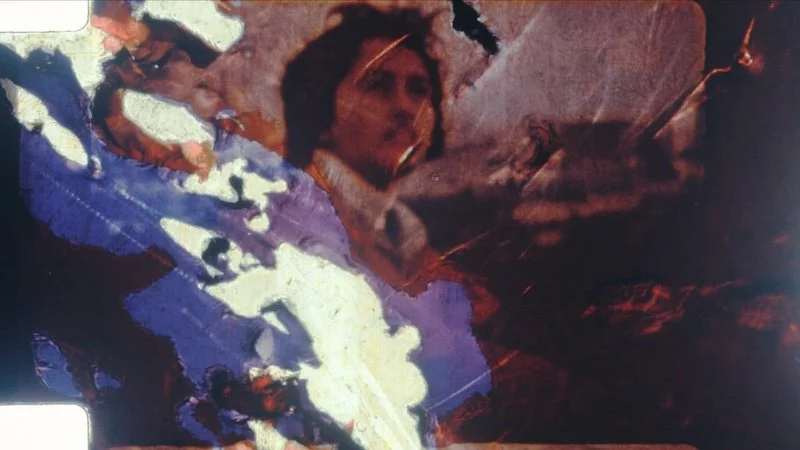
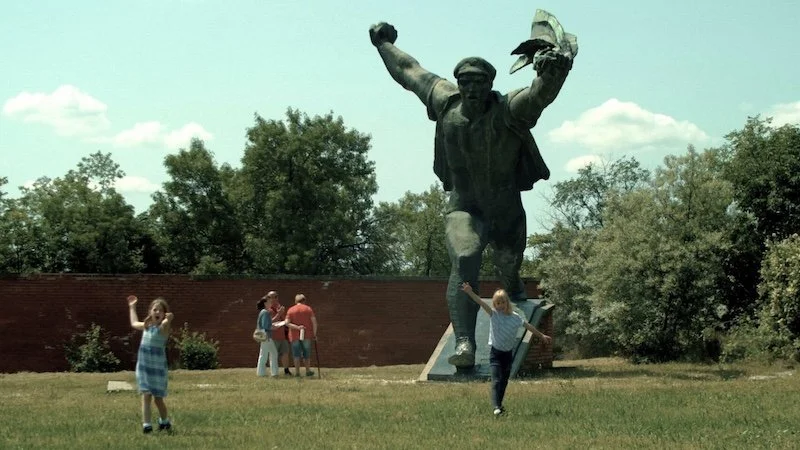
I attended one program of short films titled Dialectics because it included a film by Sunil Sanzigiri. I’ve shown two of his films in the past (Golden Jubilee and At Home But Not At Home) and was looking forward to watching his latest and was happy to hear him talk about the film and meet him in person after the screening. These were the films:
An Impossible Address (Sunil Sanzigiri)
Statues Also Die? (Thais Fernandes)
Last Night I Dreamed It Was Raining Fish (Shraddha Khanna)
Au hasard (Darren Dominique Heroux)
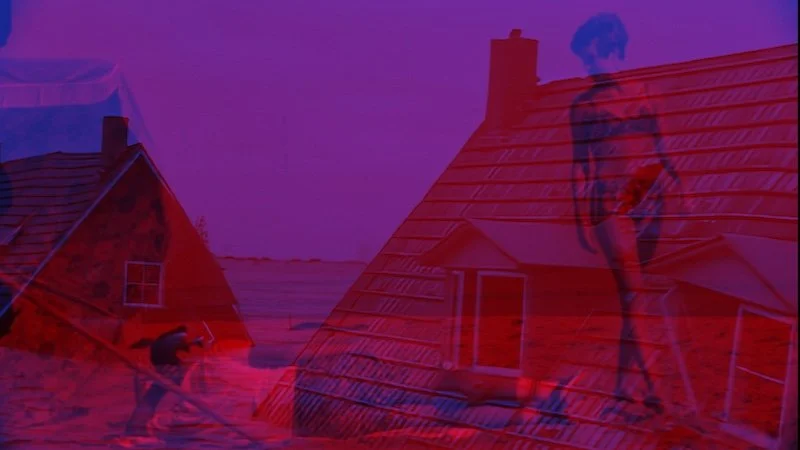
The last one had to watched in colour-filtered glasses. I liked them all and hope I get the opportunity to screen them in Dubai.
LIMELIGHT:
From the Limelight section, I had a chance to rewatch Silent Friend (Ildikó Enyedi), my number one film of 2025.
I was looking forward to Romería (Carla Simón) but found myself not liking it as much as her previous films, Alcarràs and Summer 1993.
Mi amor (Guillaume Nicloux) was my most anticipated because it stars Pom Klementieff and Benoît Magimel.
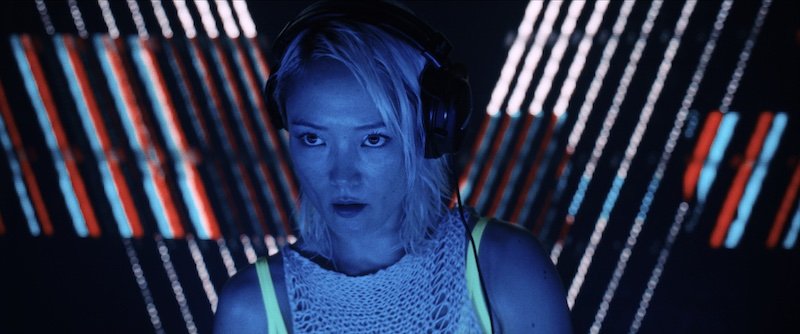
Romy (Pom Klementieff) is a French DJ who travels with her friend, Chloe (Freya Mavor) to the Canary Islands because she has a summer gig there. Chloe vanishes one day leaving Romy having to find her and her interactions with the police and the locals make the disappearance of her friend even more disturbing.
(Vincent) Benoît Magimel seems to be the only one who is trying to help Romy, but he too has a dark side. His character feels like a sequel or continuation to his character in Pacifiction, a French expat living in an environment that's way above his head.
Great techno score, and wish the club scenes went on for a bit longer.
FAVOURITE FILM:
If the festival started for me with a dud, Butterfly (Itonje Søimer Guttormsen) part of Big Screen Competition - also set in Canary Islands and I watched it because I liked the director’s previous film, Gritt, it ended with a bang thanks to a film from the Bright Future sectionthat film critic Vadim Rizov strongly recommended to me.
Chronovisor (Kevin Walker, Jack Auen)
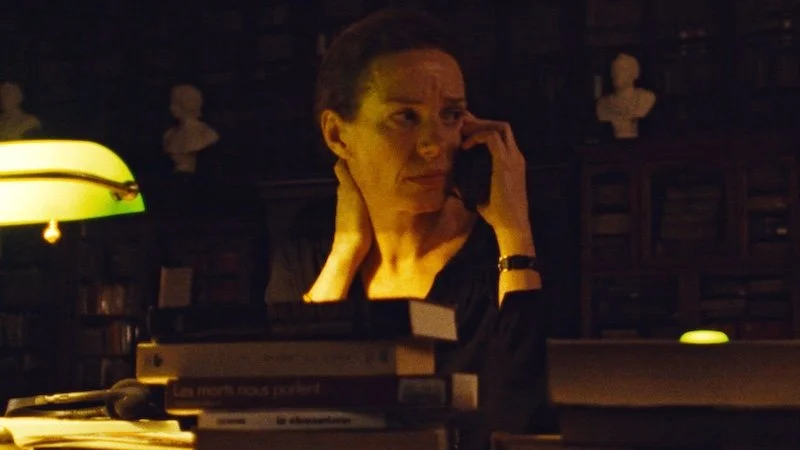
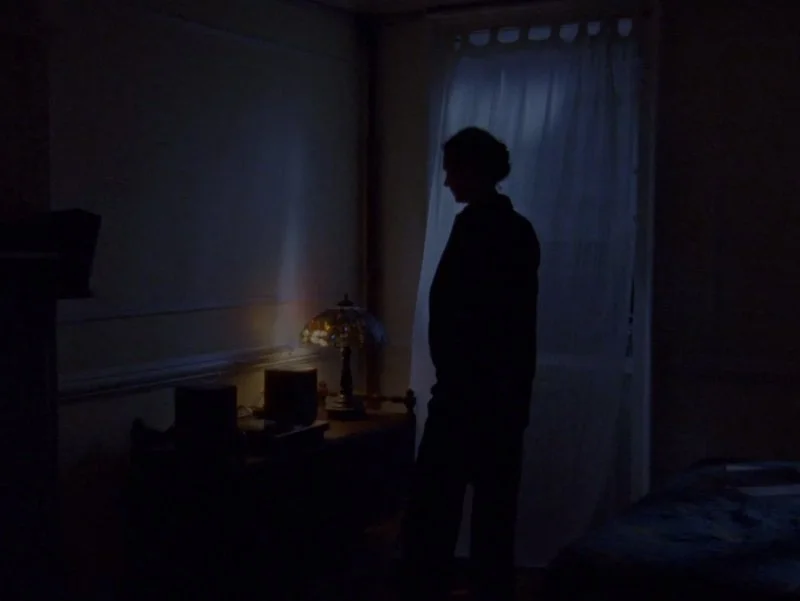
Described as an“academic-noir”, about an academic philosopher Béatrice Courte (Anne Laure Sellier who is an actual academic in her first acting role) researching and tracking down a “Chronovisor”, a mysterious camera-like machine invented in the 1950s by Benedictine monks who claimed it can go back in time and capture the past. One of the inventors, Father Pellegrino Ernetti claimed to have travelled through time and witnessed and captured the crucifixion of Jesus Christ.As strange as this may sound, all these claims aren’t made up.
The film blends fact and fiction and follows Béatrice’s research where she spends time in various libraries and institutions - reading books and articles, listening to old audio recordings, and watching video tapes. Shot on 16mm, most of the scenes are in dimly lit libraries and institutions, adding to the analogue aesthetics of the film.
There are many close-ups of English and non-English text in books and journals. English-translated text appear as subtitles laid directly over the relevant lines on the pages we see. A useful way for us to follow what Béatrice is reading. But I wonder how would this be tackled if the film gets shown in non-English markets after its festival run. Would there be another layer of subtitles added at the bottom of the screen?
The score from Gustav Holst’s The Planets elevates the film for me. It immerses you into Beatrice’s mind and the environments she’s in. The film starts in New York and ends in a small town in Portugal, with a haunting and remarkable ending, and something that can easily be shown in an art museum or gallery.
The following line from the film made me think of all the institutional suppression and lack of accountability going on right now with the Epstein files.
“The device can capture everyone’s entire past, completely without exception. Nothing can be kept secret; no state secrets, no industrial secrets, no private lives.”
All the films I watched at the festival:
In Cinemas:
Focus: Marwan Hamed
The Yacoubian Building (Marwan Hamed, 2006)
Big Screen Competition
The Arab (Malek Bensmail)
Butterfly (Itonje Søimer Guttormsen)
Moonglow (Isabel Sandoval)
Bright Future
Chronovisor (Kevin Walker, Jack Auen)
White Lies (Alba Zari)
Limelight
Mi amor (Guillaume Nicloux)
Romería (Carla Simón)
Silent Friend (Ildikó Enyedi)
Cinema Regained
Who Killed Teddy Bear (Joseph Cates, 1965)
TheTrouble with Angels (Ida Lupino, 1966)
Mrs. 21st Century (Katsuo Takahashi, 1970)
Tracing to Expo ’70 (Liao Hsiang-Hsiung, 1970)
Habibi Hussein (Alex Bakri, 2025)
Short & Mid Length - Dialectics
An Impossible Address (Sunil Sanzigiri)
Statues Also Die? (Thais Fernandes)
Last Night I Dreamed It Was Raining Fish (Shraddha Khanna)
Au hasard (Darren Dominique Heroux)
Watched Online:
Cinema Regained
A Philological Quandary, Kenneth Anger’s ¡Que Viva Mexico! (1950) (Bruce Posner, 2026)
DINAMO: Exposure
Roseblood (Sharon Couzin, 1974)
Verdigris (Chloe Brenan)
Focus: Collectif Faire-Part
What We Said to Brussels Airlines
L’escale / The Stopover (2022)
Focus: the Future is NOW
Blanca Putica. A Girl in Love (Miñuca Villaverde, 1973)
Tiger Short Competition
Home is where the heart is (Timothée Engasser)
Last Shot (Parham Rahimzadeh)
The Tragic Movement of the Spheres (Simon Rieth)
Short & Mid Length - Bare Witness
Imagine Me Like a Country of Love (Thana Faroq)
Short & Mid Length- Origin Story
Awake Before Your Gaze (Lin Yi-Chi)
Short & Mid Length- Playing Ourselves
I Am the Film Motherfucker, but I’m Real (MeowX2)
Forget the Director, This Is Emmy’s Cut! (Marion Desmaret)