
Safar Film Festival 2025: Transnational Arab Stardom - A Creative Video Essay Showcase

Last month, I participated in a one week mini-residency in London organised by the Arab British Centre and Safar Film Festival where I was selected from an open call along with a eight other artists and filmmakers to creatively explore the legacy of Arab film stars through the creation of video essays.
It was led by multidisciplinary artist, designer and educator Bahia Shehab in collaboration with scholars Dr Stefanie Van de Peer and Dr Kaya Davies Hayon, inspired by their recently published book, Transnational Arab Stardom.
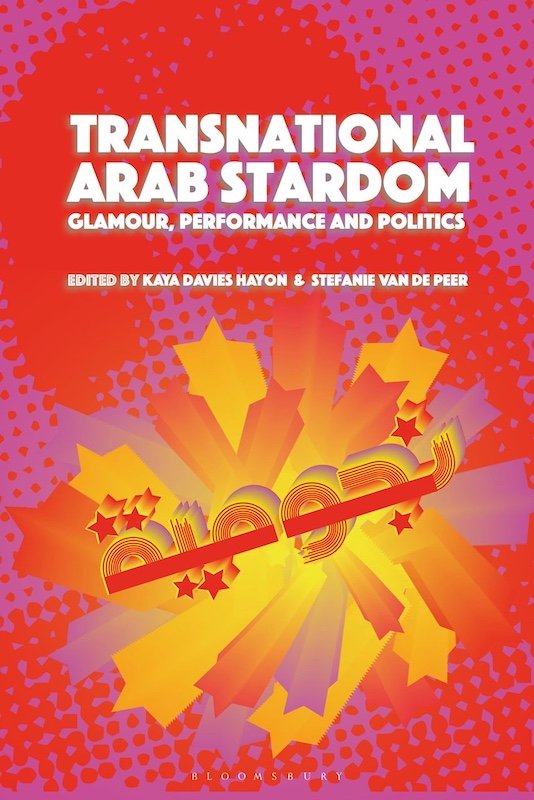
During the week of the residency (June 9-13), we watched a couple of films, attended a couple of presentations, visited the British Library and overall spent a lot of time researching archives and found footage related to Arab Cinema. The aim was to end the week with a new series of video essays made by us, responding to the careers and representations of iconic figures from the book or of our own choice.
Our video essays were screened at Garden Cinema on June 15, and was followed by a short Q+A and discussion between the participants and the audience.
It was an extremely rewarding week for me. I found myself in an environment that was creatively and intellectually nurturing, and most importantly, generous. It didn’t help halfway through the residency news broke about attacks on Iran from Israel leading to the closure of air space in the Gulf region temporarily. Nevertheless, I tried not to get sucked into a doom and gloom mood to focus on making new work and the pleasure of being in an environment that enables thinking and creativity.
These are the films we made, listed in the order they were presented at Garden Cinema. We are all still in the process of discussing the next steps of this project, so please watch this space.
Gazelle (Leila Gamaz, 4 min)
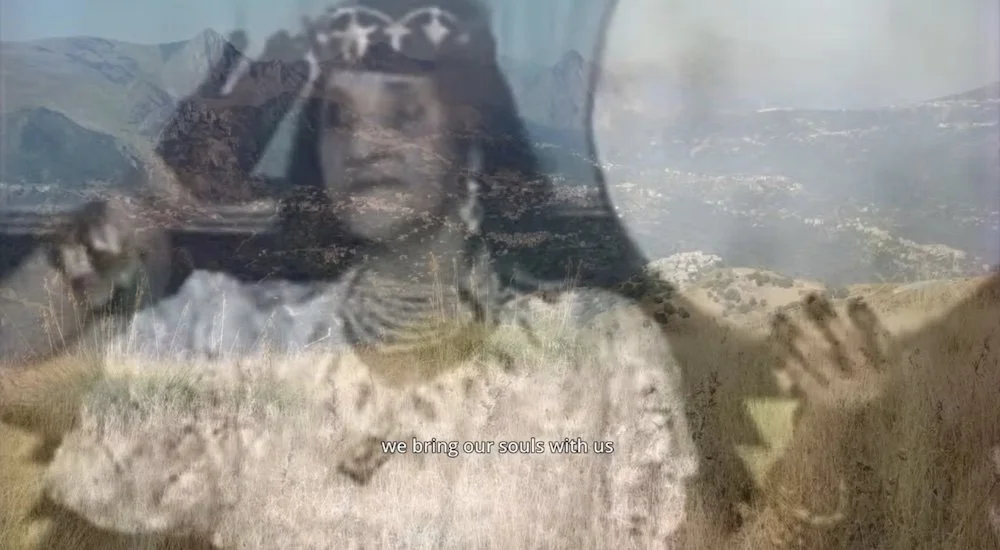
Gazelle explores the collective memory of Sheikha Rimitti - an Algerian Rai singer - and the immortalisation of late cultural icons through the haziness and fragmentation of memory.
Coming from working class rural Algeria, Rimitti unapologetically honours these roots through her music and style. Using archival footage, we journey and loop through time and beyond the individual to tell the story of the pooled dreams and culture which someone like Rimitti is born of.
Faten Hamama’s Kiss (Hind Mezaina, 8 min)
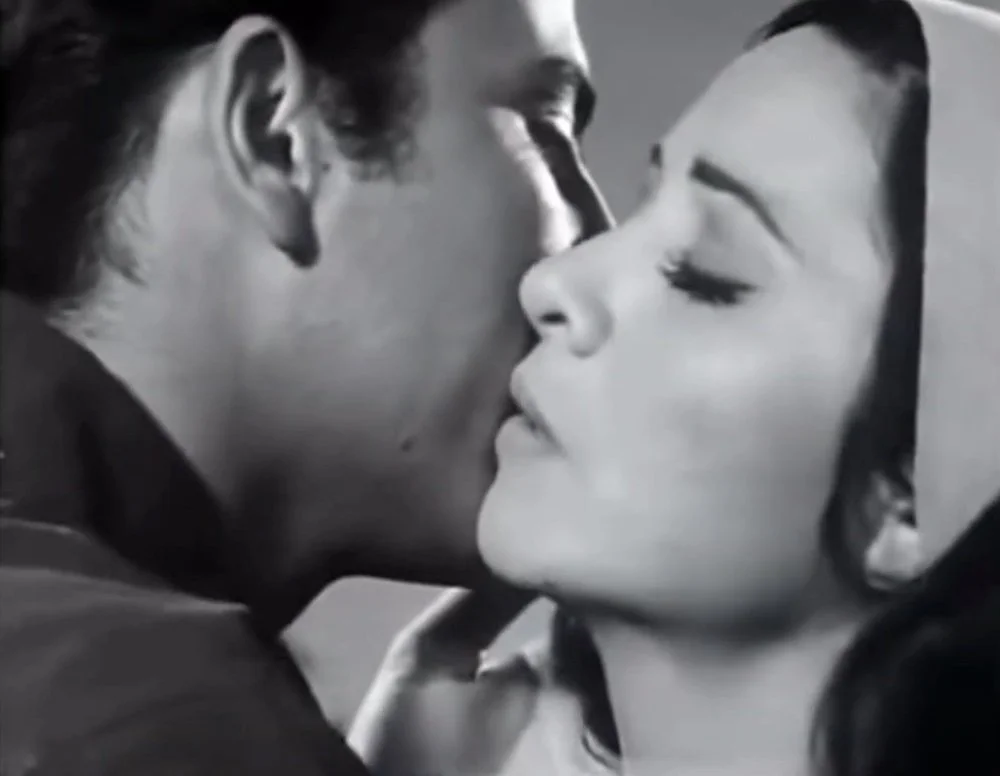
Faten Hamama (1931-2015) is known as “The Lady of the Arab Screen”, celebrated for her depiction of demure yet strong female characters. Apart from the memorable kissing scene between her and Omar Sharif in The Blazing Sun (Youssef Chahine, 1954), her representation as a woman that desires and is desired has hardly been examined in writings about her career.
This video essay is an attempt to slowly change that. A look at her filmography shows her sharing scenes of kissing and intimacy with many more male lead actors, and not just with Omar Sharif (they were married between 1955-1975).
Neither a femme fatale, nor a typical girl next door, but a layered and more nuanced depiction of Arab womanhood, femininity and sensuality.
Great Expectations (Myriam Cherif, 6 min)

Great Expectations is an invitation to discover the (very) contrasting careers and performances of Egyptian actresses Hind Rostom and Faten Hamama, from their first performance together in Baba Amin (1950) to their last (together) in La Anam (1957). Particularly aimed at those with no knowledge of classical Egyptian cinema, it wants to draw attention to the transcultural characteristic of gender performativity and expectations.
Without knowing the context in which those films were made, or even without knowledge of the language, one can recognise both Hamama and Rostom’s on-screen characterisations, as well the stardom status and off-screen personas their performances built.
Amr Waked: A Star Who Cannot Return Home (Khalid Nile, 4.21 min)

This film explores the journey of Amr Waked as a transnational star navigating fame, exile, and identity beyond Egypt’s borders.
It reflects on the tension between stardom and political displacement, giving voice to those who cannot return home.
They Were Just Living in her World (Allair Ayeni, 2.38 min)

They Were Just Living in her World is a moody fashion film on the best oriental dancer of all time, Tahia Carioca. Exploring how dance and clothing can create immersive and alluring experiences in a female context.
It sets out to embark on Carioca’s glamorous Egyptian cabaret costumes throughout her career and portray her divine femininity and charisma, setting out to inspire and embody her femininity.
Ahmed Zaki & Mohamed Ramadan: Crafting the Modern Egyptian Male (Amin Al-Amin and Madeleine Kelleyyan, 4.30 min)
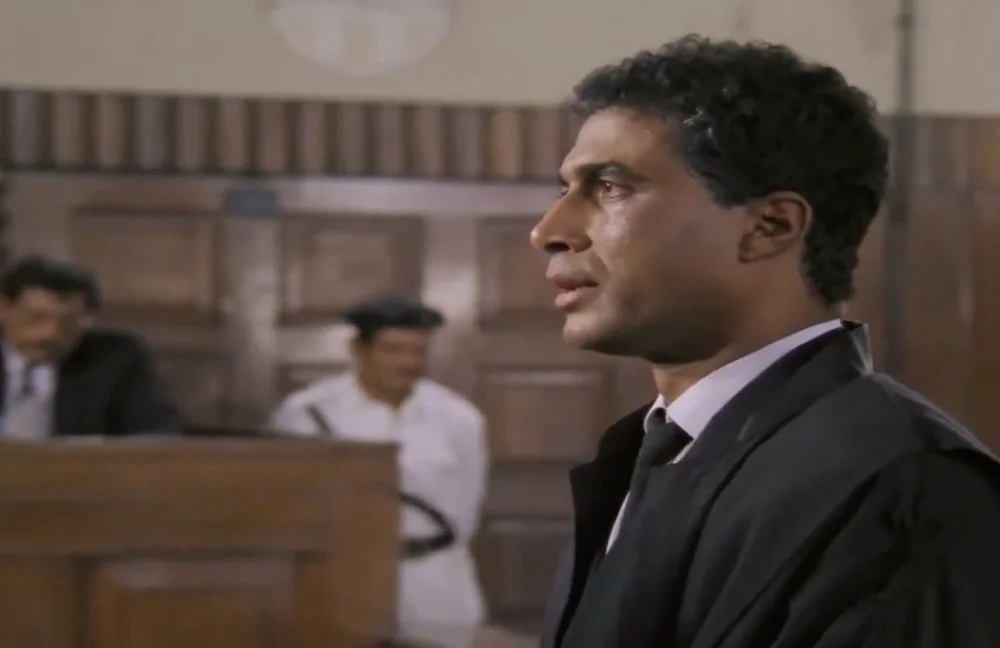
Ahmed Zaki & Mohamed Ramadan: Crafting the Modern Egyptian Male explores the careers of two of Egypt’s most popular stars.
The short film examines their creative output, celebrity and masculinity against the backdrop of the country’s tumultuous modern history, finding more connections than we might expect from two actors who command a very different sense of stardom.
One Tune, Two Egypts (Marlé Hammond, 5.57 min)

One Tune, Two Egypts sets Umm Kulthum’s performance of “Hubb Eyh?” (What is this Love?) into dialogue with the song’s interpretation by the comic actor Muhammad Saad in the 2002 film El-Limby.
The juxtaposition accentuates Saad’s parody of the diva at the same time that it reveals a humorously stark contrast between the rarefied atmosphere at an Umm Kulthum concert in1960s Egypt and the raucousness that has come to be associated with popular music in subsequent decades.