
RIP Soheir Zaki
via World Dance Heritage:
Souheir Zaki is one of the few Egyptian dancers in history who is referred to as a lady or “mohtarrama,” meaning respectable.
This may be due to Soheir Zaki’s dancing style and attitude on stage as ‘she seems to float in and through the music, queenly, unperturbed.
She soothes the eye rather than exciting the senses.
Or it could be due to her private life as she married only once (unlike most Raqs sharqi dancers who married several times) and carried a quiet private life with a good reputation to preserve.
This aura of respectability could be due to Soheir Zaki’s personality but it may also be a conscious decision to create a presentation of self-identity, in order to position herself in the field and create her own image and niche.
Soheir Zaki was a minimalist and wanted to keep Raqs sharqi pure and close to its core. Soheir Zaki herself was quoted as saying in an interview with Al-Shabaka in 1976:
I don’t like to ‘improve’ the oriental style for fear of becoming a sort of modern dancer and losing the oriental style which I perform and which distinguishes me from other dancers . . . I present the old oriental dance with little change, and I dance without tension or frenzy . . . I am like a pretty old antique – it is possible to polish it and add a little to it, but I am not going to ruin the old oriental heritage.
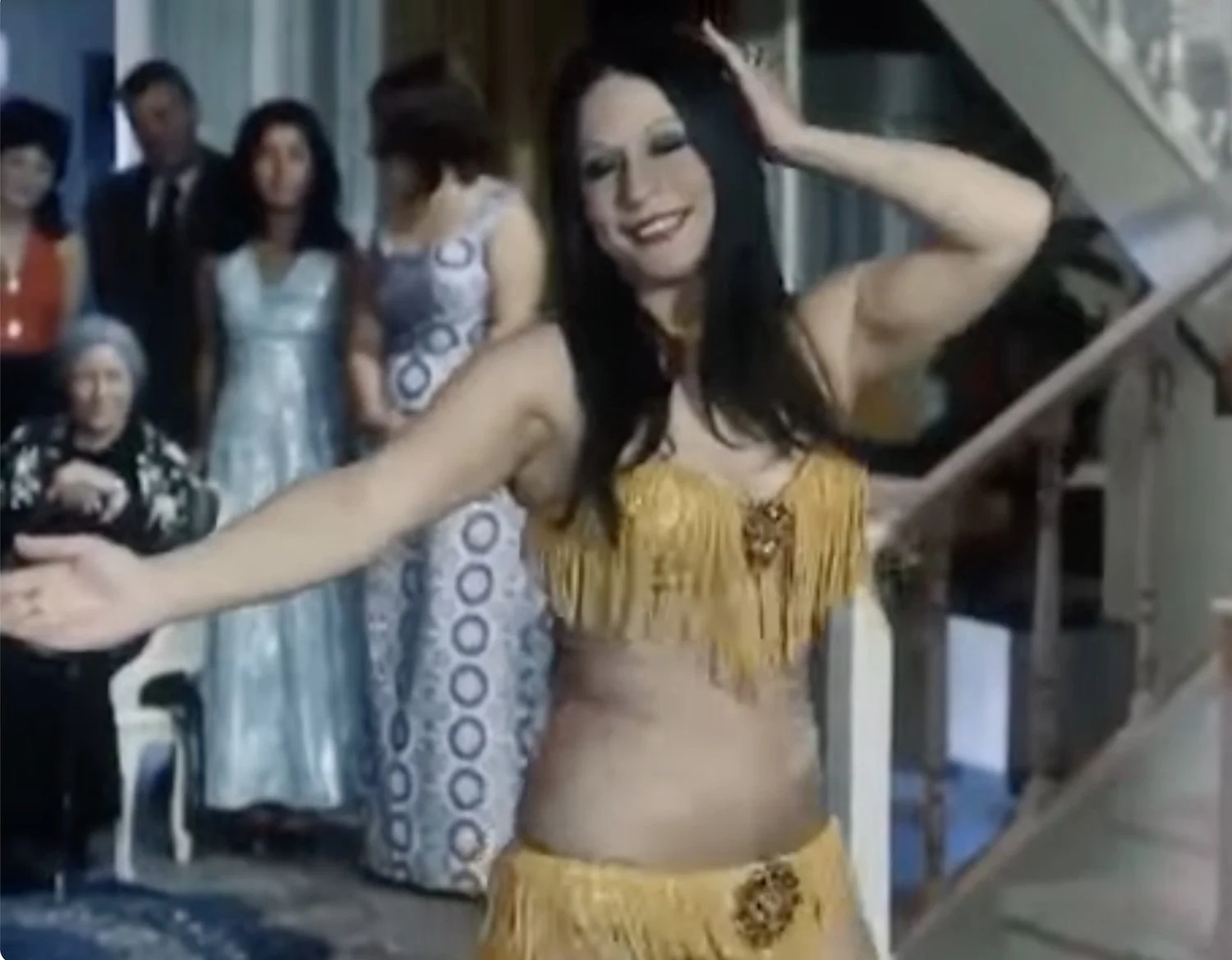
Below are clips of Soheir Zaki dancing in three different films from the 1970s:
يمهل ولا يهمل / Yomhl Wla Yohml / God Gives Respite but Never Neglects (Hassan Hafez, 1979)
عذراء .. ولكن / Azra’a Wa Laken / Virgin…But (Simon Saleh, 1977)
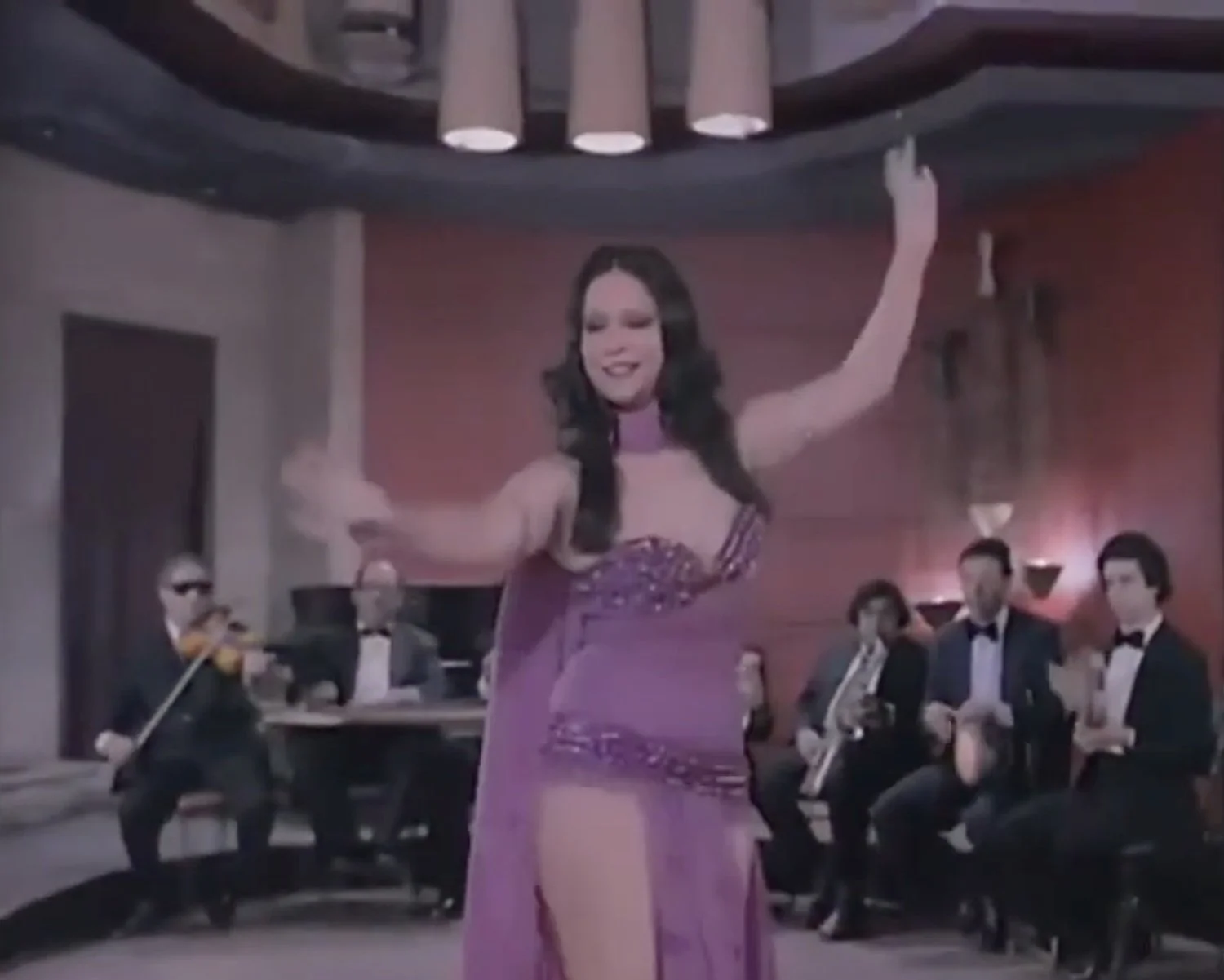
امرأتان / Imra’atan / Two Women (Hasan Ramzi, 1975)
An extract of a translated interview with Soheir Zaki from Al Kawakeb magazine (February 6, 1990).
Through your various European tours, to what extent the westerners accepted belly dance and how did they look at it; do they consider it one of the fine arts as we look at “ballet”?
There are those who received it in a nice way, and I received many offers from TV to present programs on belly dance that they consider as one of the fine arts; they have always encouraged me to take this art to the international arena.
At the time of having a ballet institute, we don’t have a belly dance institute, is it strange?This matter frustrates me, especially when we see the west paying attention to this art while us - the land of belly dance - we don’t, and to add an insult to injury, there are those who belittle this art [in our country].
Badi’a Masabni, Tahia Carioca and Samia Gamal could become their own “schools” in belly dance, and Soheir Zaki and Nagwa Fouad could form their own “styles”, how do you see the new generation of belly dancers, and will there be any success that could be achieved in this field?Frankly speaking, I don’t think so, the new generation is in a rush towards achieving fame and this is opposite to what the old generation was doing, the latter suffered till they got known. The old generation introduced [belly] dance to all social categories, starting from the ordinary people in the streets to the high classes, and this is not the case with the new generation.
An interview with Soheir Zaki and her husband, the Egyptian director and cinematographer Mohammad Emara. It’s from a TV show called Huwa wa Heya / He and She hosted by the actor Samir Sabry. In Arabic only.